Guyana condemns threats against sovereignty by Venezuela
Key Points(5)
- Guyana President Dr Mohamed Irfaan Ali says he will not be taking threats against its sovereignty from Venezuela lightly, and will "spare no effort" to defend its territory.
- Venezuela is claiming lands that account for two-thirds of Guyana.
- The latest attack on Guyana’s sovereignty came in the form of a communique that was issued via the Venezuelan Foreign Affairs Ministry last evening.
- Allowing the Court to decide would ensure a resolution that is peaceful, equitable and in accordance with international law.
- Guyana will spare no effort in defending its sovereignty and territorial integrity," he said.
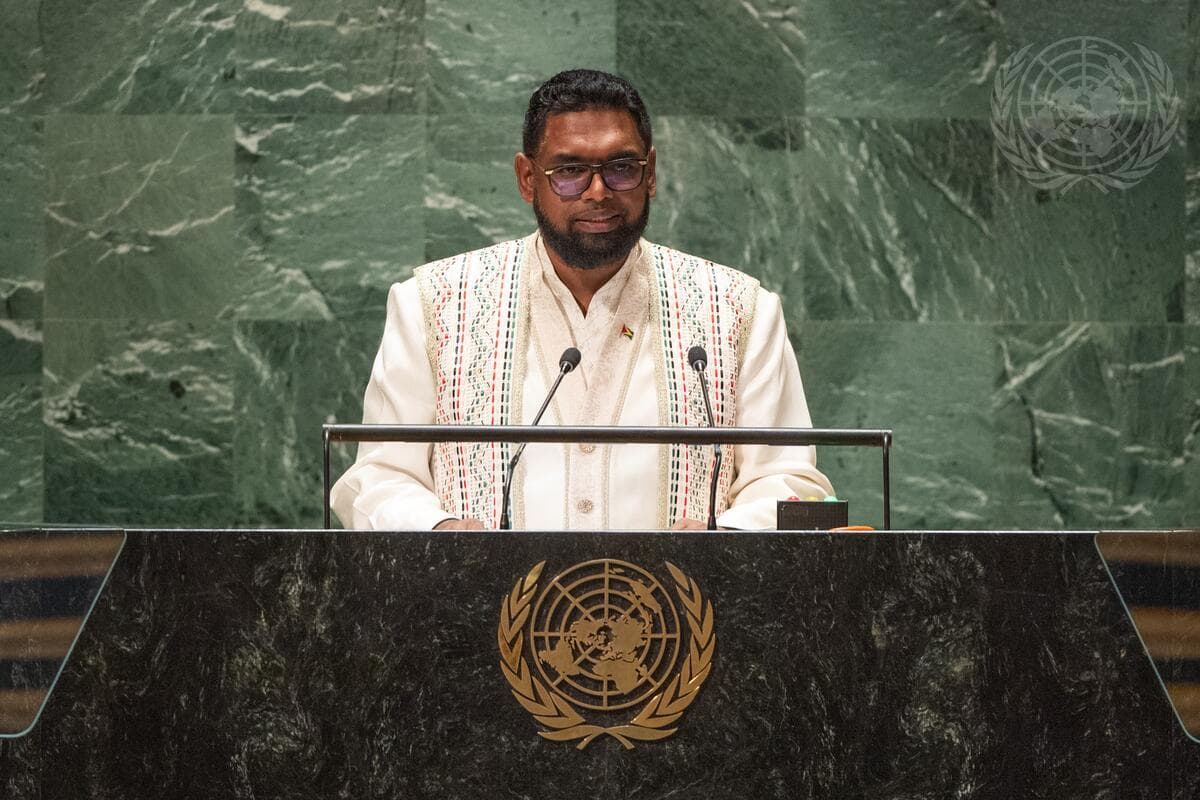
Guyana President Dr Mohamed Irfaan Ali says he will not be taking threats against its sovereignty from Venezuela lightly, and will "spare no effort" to defend its territory.
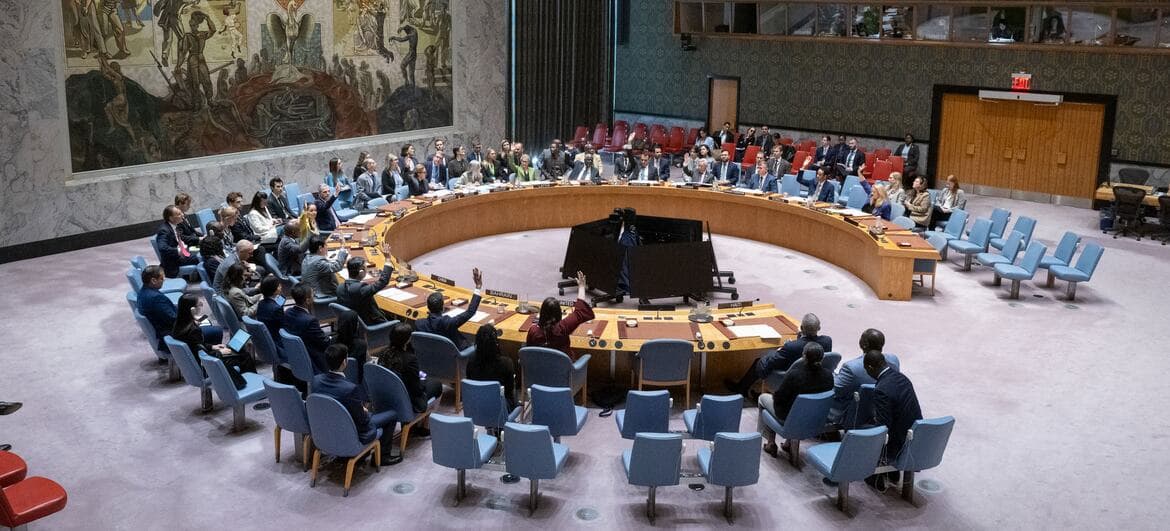
In his address at the United Nations General Assembly in New York, President Ali said that Venezuela is continuing to make illegal claims against Guyanese territory even though the International Court of Justice (ICJ) is currently hearing a case to determine the legality of the Geneva Agreement of 1966, which set the border of both states.
Venezuela is claiming lands that account for two-thirds of Guyana.
The latest attack on Guyana’s sovereignty came in the form of a communique that was issued via the Venezuelan Foreign Affairs Ministry last evening.
The communique said: “Venezuela strongly rejects the illegal bidding round for oil blocks currently being carried out by the Government of the Cooperative Republic of Guyana in maritime areas pending delimitation between both countries.”
“The Government of Guyana does not have sovereign rights over these maritime areas and consequently any action within their limits is a violation of International Law, as long as they are not carried out through an agreement with Venezuela.”
During his speech in front of world leaders, Ali said Guyana considers the communique as “a threat to regional and international peace and security, as well as to Guyana’s investment partners."
“We demand that Venezuela honours its obligation under the Charter to pursue only peaceful means to settle any disputes it may have with Guyana, including adjudication before the International Court of Justice. Allowing the Court to decide would ensure a resolution that is peaceful, equitable and in accordance with international law. Guyana will spare no effort in defending its sovereignty and territorial integrity," he said.
"The ICJ’s jurisdiction in the matter has been twice affirmed by the Court. We are confident that Guyana’s sovereignty and territorial integrity will also be affirmed when the Court issues its final judgement," Ali added.
Guyana/Venezuela's long-standing land dispute
The Guyana-Venezuela land border controversy is a long-standing territorial dispute between the neighboring countries. It revolves around the ownership of the Essequibo region, a vast and resource-rich area located in the eastern part of Guyana, which accounts for two-thirds of the country.
The dispute dates back to the 19th century when Venezuela claimed that an 1899 arbitration award, known as the Arbitral Award of Paris, which settled the border between the British colony of British Guiana (now Guyana) and Venezuela, was invalid. Venezuela argues that the award was the result of coercion and fraud.
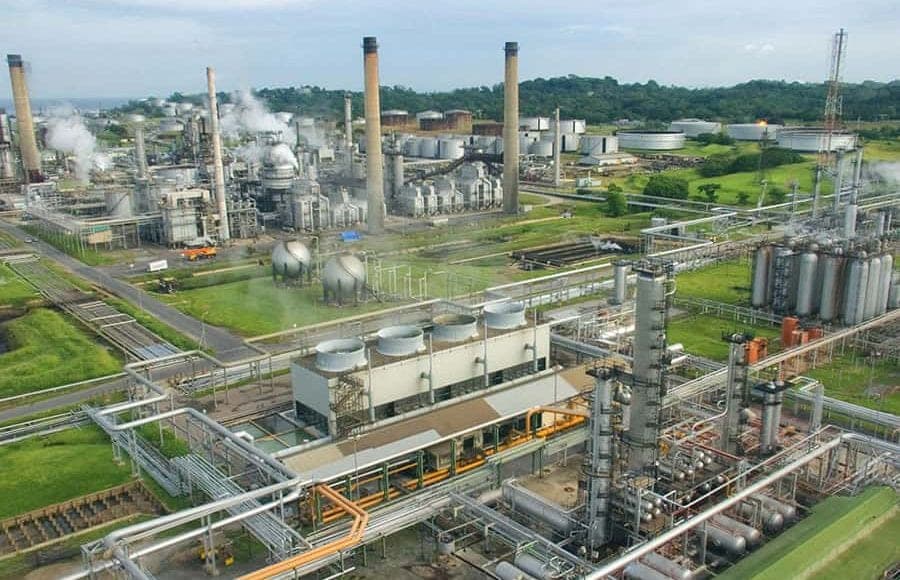
In recent years, the controversy has escalated due to the discovery of significant offshore oil reserves in the waters off the coast of Guyana, near the disputed region. Both countries have engaged in diplomatic efforts and legal actions to assert their claims to the territory.
The situation remains unresolved, with both countries holding firm to their respective claims and periodically engaging in diplomatic tensions and negotiations to find a peaceful resolution to the dispute. International organizations, such as the United Nations, have been involved in mediating the conflict, but a final resolution has yet to be achieved.