Bahamian-American Florida senator proposes ban on cashless businesses
Key Points(5)
- A Florida senator has proposed a ban on cashless businesses in the state, saying these types of establishments inadvertently "leave some people behind." Miami Gardens Democratic Sen.
- Shevrin Jones, who is of Bahamian descent, sponsored the bill (<a href="https://www.flsenate.gov/Session/Bill/2024/106">Senate Bill 106/House Bill 35</a>) alongside Rep.
- Earlier this month, the Senate Committee on Commerce and Tourism voted to advance Jones’ bill by a 6-0 vote.
- It has two more panels to clear before reaching a floor vote.
- The ban would help many Floridians, especially seniors and minorities, according to Jones.
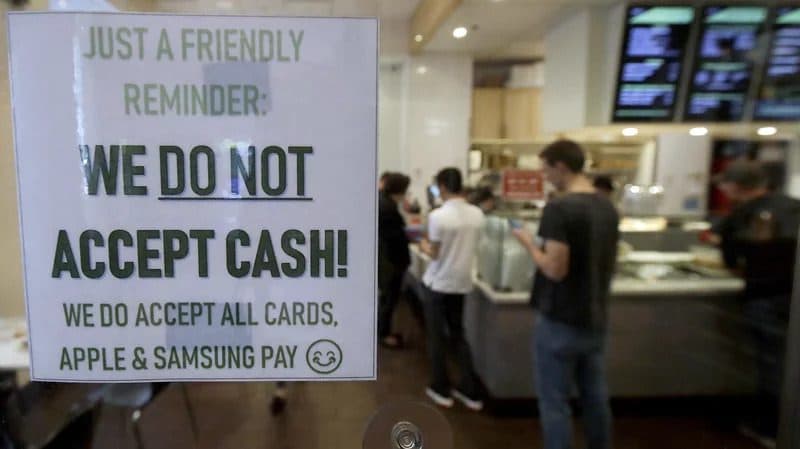
A Florida senator has proposed a ban on cashless businesses in the state, saying these types of establishments inadvertently "leave some people behind."
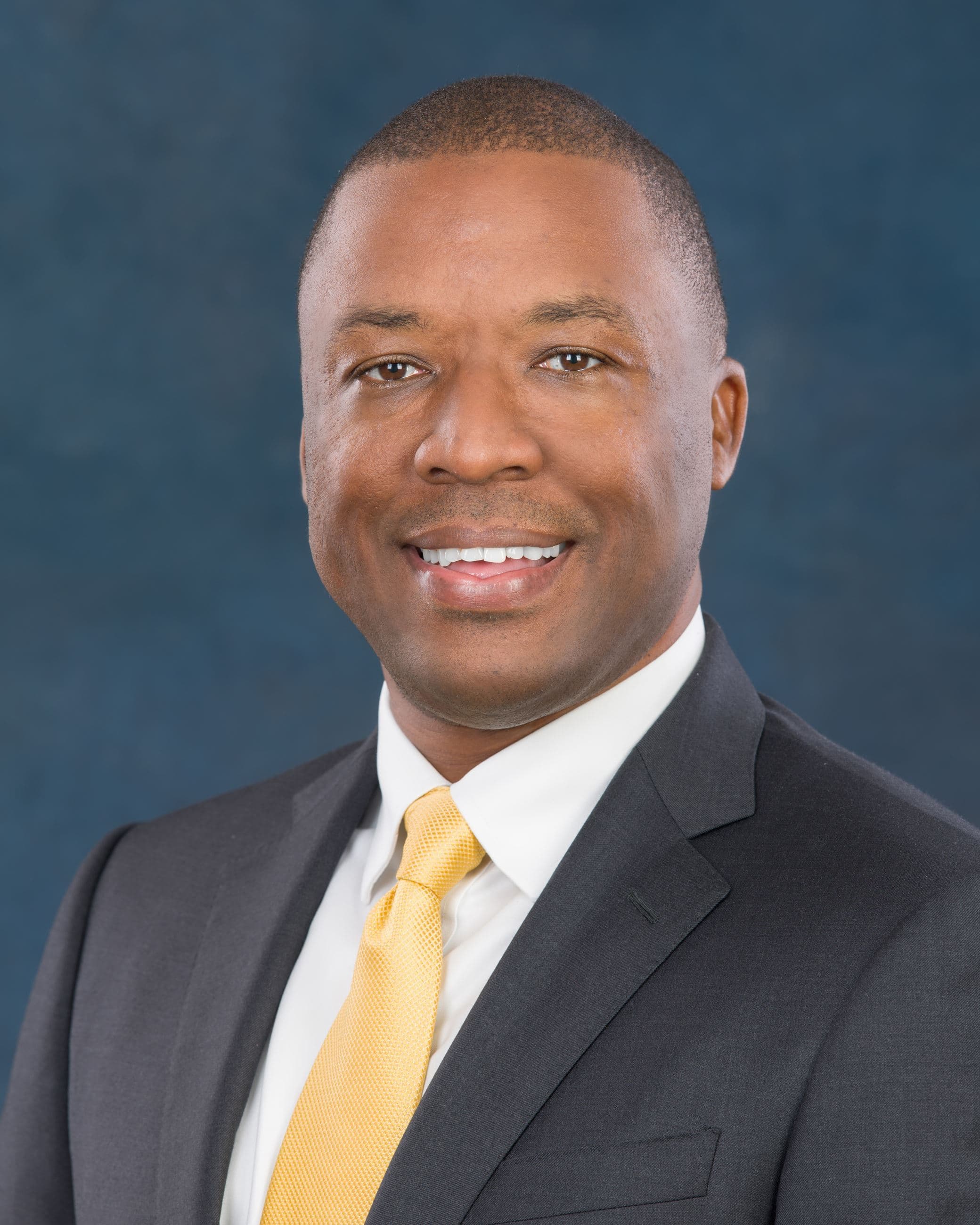
Miami Gardens Democratic Sen. Shevrin Jones, who is of Bahamian descent, sponsored the bill (Senate Bill 106/House Bill 35) alongside Rep. Joel Rudman.
Earlier this month, the Senate Committee on Commerce and Tourism voted to advance Jones’ bill by a 6-0 vote. It has two more panels to clear before reaching a floor vote.
The ban would help many Floridians, especially seniors and minorities, according to Jones.
“Now in Florida, many businesses have opted for cashless payment — and it’s definitely … clear that there has been a shift toward cashless payments over the years — but we’re definitely leaving some people behind,” he said.
“This stipulation impacts individuals and families who may not have electronic payments as a method of payment.”
The details
The legislation requires most businesses to accept cash payments and prohibits them from charging a fee or placing conditions on accepting cash. They’d have to accept cash for “any transaction involving the purchase of any tangible good or any service.”
It would apply to any business operating at a fixed physical location, from a vehicle or other mobile space, or from temporary physical premises.
And it would cover transactions in which the customer is physically present at the place of business. It would not apply to sales that are not conducted in person, including phone, mail, and online transactions.
There are several exemptions. The proposed law would not apply to services that people traditionally haven’t expected to pay in cash. Among those exempt from having to accept cash: accountants, architects, attorneys, engineers, financial advisers, insurance agents, interior designers, software developers, management and other consultants, and some parking facilities.
Also exempted are transactions in which the consumer uses a cash denomination higher than $20 and single transactions exceeding $5,000.
Hefty fines
Businesses that violate the measure would be subject to a fine of $2,500 for the first offense, $5,000 for the second offense, and up to $10,000 in fines thereafter.
The Florida Department of Agriculture and Consumer Services would then assess whether further punitive measures are warranted.
Ban already exists elsewhere
A ban on cashless businesses isn't new in the United States. New York City imposed a ban in 2020. So has Philadelphia, San Francisco, and the state of New Jersey. Massachusetts has required establishments to accept cash since 1978.
Meanwhile, countries in the Caribbean such as Jamaica and The Bahamas are moving toward becoming a cashless society.