Dominica could eliminate personal income tax by 2028, PM Skerrit says
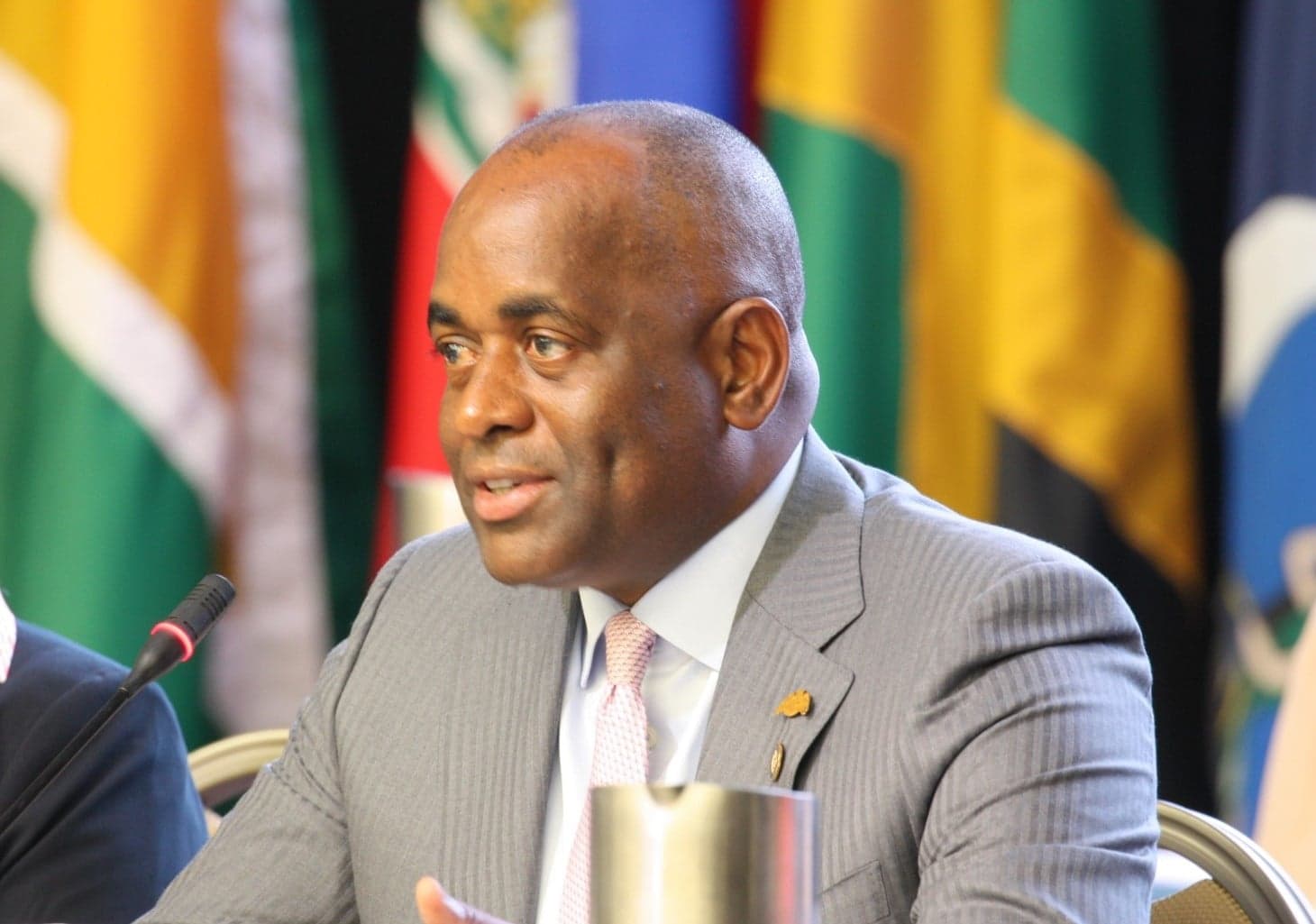
Key Points(5)
- Prime Minister Roosevelt Skerrit has hinted at the possibility of eliminating personal income tax for Dominican workers by 2028, saying he has always been philosophically opposed to the fiscal measure.
- Addressing a town hall meeting on Tuesday night of his ruing Dominica Labour Party (DLP) ahead of the September 7 by-election for the Roseau North constituency, Skerrit said that when his party came to office in 2000, the income tax rate was 20 per cent, 35 per cent and 40 per cent.
- Football, Sports ISSA to stage Super Saturday football rallies August 26, 2026 “We reduced it to 15, to 25, and to 45.
- And we increased the tax threshold from EC$12,000 (one EC dollar = US$0.37 cents) a year to EC$30,000 a year,” Skerrit said, telling supporters that “that was the first time that we saw any real change where income tax in Dominica is concerned”.
- He said that his government further reduced the taxes when it returned to office despite the main opposition United Workers Party (UWP) and the Dominica Freedom Party (DFP) being elected to office in the interim.
Dominica could eliminate personal income tax by 2028 if government revenue continues to improve, Prime Minister Roosevelt Skerrit has said, as his administration prepares to significantly reduce the tax burden on workers next year.
Skerrit raised the possibility Tuesday night while addressing a town hall meeting of his ruling Dominica Labour Party ahead of the Sept. 7 by-election for the Roseau North constituency.
The prime minister said he has long been philosophically opposed to personal income tax and would prefer a system that relies more heavily on taxes based on consumption.
“From a philosophical standpoint, I believe that people should be allowed to keep their property that they worked for,” Skerrit said. “I believe more in consumption taxes, that you pay based on what you consume is more equitable.”
Skerrit said his government has progressively reduced the income tax burden since the DLP came to office in 2000, including lowering tax rates and raising the income threshold at which workers begin paying taxes.
“And so I am not ruling out that if we’re able to implement the measures in the budget, and see an increase in revenues to the country, that by 2028 we remove income tax altogether, and allow them to keep more of what they have,” he said.
The potential elimination of the tax would follow a major reduction already scheduled to take effect in 2027.
Earlier this month, Finance Minister Dr. Irving McIntyre announced during his presentation of the EC$1.15 billion national budget that Dominica would replace its current personal income tax rates of 15%, 25% and 35% with a single flat rate of 10%, effective Jan. 1, 2027.
McIntyre said the government has consistently sought to reduce the income tax burden on working Dominicans, particularly following the country’s economic recovery and completion of an International Monetary Fund-supported program.
“We reduced the tax rates to 15 per cent, 25 per cent and 35 per cent. We also increased the tax-free threshold first to EC$25,000 and then to EC$30,000,” McIntyre said.
The government also increased mortgage deductions and introduced deductions for student loans and home and medical insurance, he said.
According to McIntyre, the measures have removed thousands of Dominicans from the income tax net and allowed households to retain a larger share of their earnings.
“Today, despite a global environment marked by economic uncertainty, this Government will again provide relief to further empower the hardworking people of Dominica,” McIntyre said in announcing the 10% flat rate.
Skerrit suggested Tuesday that the government could go further if measures contained in the new budget generate sufficient additional revenue.
He said eliminating income tax would leave workers with more disposable income, which could potentially be spent or invested in economic opportunities, including those created by growth in the country’s tourism industry.
Any move to abolish the tax by 2028, however, would depend on the government’s ability to successfully implement its fiscal measures and increase national revenue, Skerrit said.