This Day in History: Social unrest erupted in Bridgetown, Barbados
Key Points(5)
- <h2>Clement Payne</h2> On July 26, 1937, social unrest erupted in Bridgetown.
- Intensifying on July 27, it soon spread to some rural districts.
- Known as the 1937 Labour rebellion, these events ushered in a period of socio-political change that culminated in the attainment of independence on November 30, 1966.
- In 1937, Barbados was a country greatly divided by race, with the white elite holding economic and political power.
- The native black population was employed mainly in the agricultural sector and suffering from poverty.
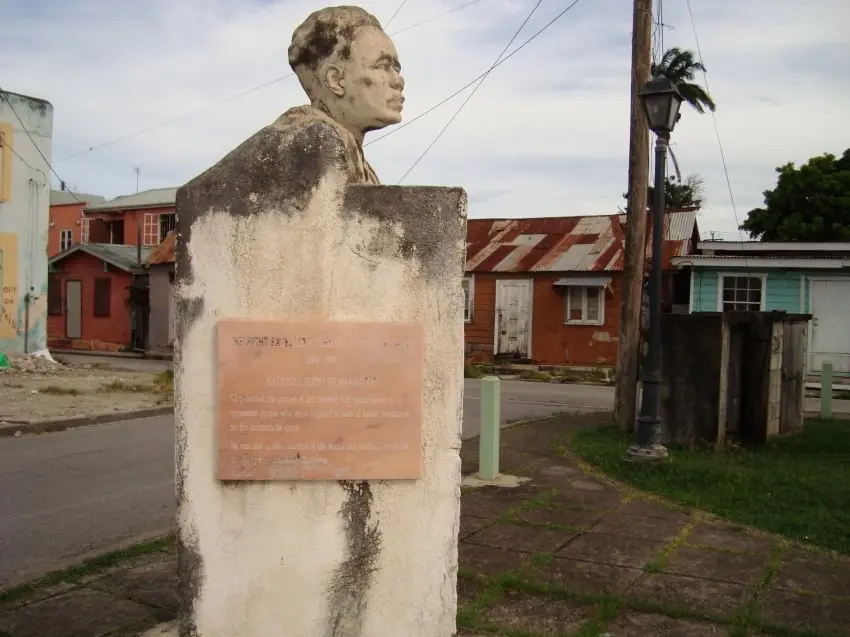
Clement Payne
On July 26, 1937, social unrest erupted in Bridgetown. Intensifying on July 27, it soon spread to some rural districts. Known as the 1937 Labour rebellion, these events ushered in a period of socio-political change that culminated in the attainment of independence on November 30, 1966. In 1937, Barbados was a country greatly divided by race, with the white elite holding economic and political power. The native black population was employed mainly in the agricultural sector and suffering from poverty. There was a lack of opportunity and employment in the area which kept the common man down and was not advanced due to the dismal labour conditions and social/economic malaise. The racial structure that ruled the social, economic and political landscape rigidly reinforced these conditions. Barbados was a country still ruled by the plantation and there owners even one hundred years after slaver was abolished.Clement Payne, one of a few men who stood up for the working people of Barbados and advocated for the labour reform and the formation of trade unions, was able to inspire the common man to rise up and fend for themselves. Seeing how this could turn into an uprising and change in the social structure on the colony, the Barbadian authorities deported Payne to Trinidad on July 26th, 1937. Crowds gathered at the news of his deportation and the anger and frustration that had built up erupted into riots that lasted for four days.
The years following the riots would witness significant social and political reform in Barbados as native black Barbadians emerged to rule a country where they were the majority. Payne, who died in 1941, did not live to see how he had impacted his fellow man, but his bravery in rebelling against the status quo was not in vain as generations of Bajans have benefited from his actions. Payne is now deemed a National Hero of Barbados.