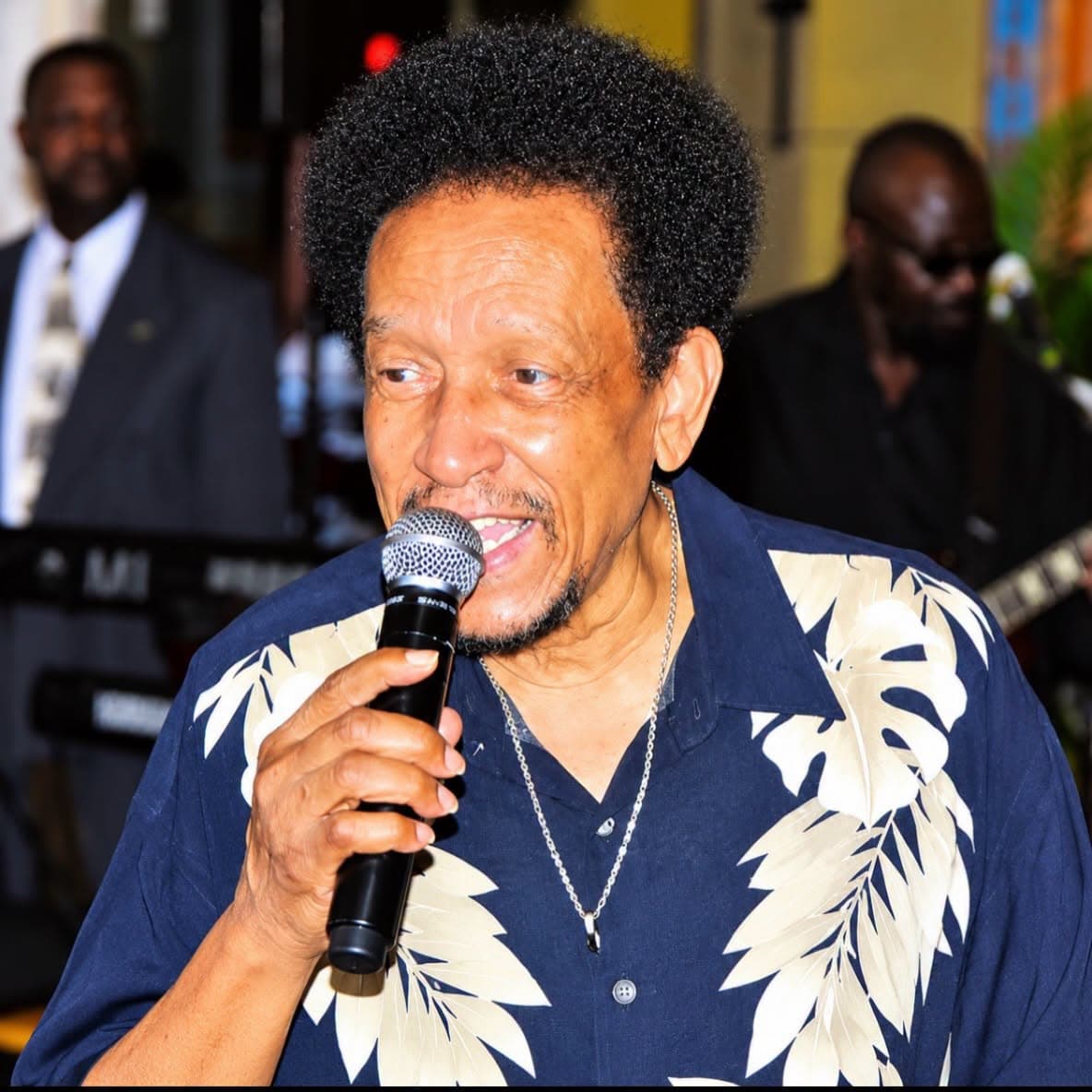
Country Speng turns pain of ICE detention into No. 1 hit song

Key Points(5)
- Veteran Jamaican dancehall DJ Country Speng, aka Speng Beng, told Caribbean National Weekly about the heartbreak he felt when he was detained by U.S.
- Immigration and Customs Enforcement (ICE) and deported to Jamaica in June, after spending five difficult months in U.S.
- immigration detention.
- But instead of allowing the experience to break his spirit, the former Sting performer turned his pain into a hit song in South Florida.
- His song “100 Mile,” inspired by his ordeal, has climbed to No.
Veteran Jamaican dancehall DJ Country Speng, aka Speng Beng, told Caribbean National Weekly about the heartbreak he felt when he was detained by U.S. Immigration and Customs Enforcement (ICE) and deported to Jamaica in June, after spending five difficult months in U.S. immigration detention.
But instead of allowing the experience to break his spirit, the former Sting performer turned his pain into a hit song in South Florida. His song “100 Mile,” inspired by his ordeal, has climbed to No. 1 on Mikey B’s South Florida chart on WAVS radio, giving the entertainer a much-needed boost as he rebuilds his life and career in Jamaica.
“We not stop till the song take the road and it make it own market,” he said confidently.
For the veteran entertainer, reaching No. 1 represents more than musical success. It is a chance to rebuild, reclaim his place in dancehall and turn one of the most painful experiences of his life into something meaningful. The song is also his way of speaking out against what he believes is the unfair treatment of immigrants.
“They are just randomly picking up people and people who work so hard for them status and all,” he said during the interview. “They are randomly just taking our people’s lives, taking our people’s freedom, taking our people’s everything.”
“At the end of the day, we are just human,” he reiterated.
Country Speng said his ordeal began on Jan. 6, when ICE detained him in Fort Lauderdale, Florida. He subsequently spent time at facilities in Miami and at Alligator Alcatraz before being deported to Jamaica on June 11.
“It wasn’t nothing nice,” he recalled.
He described repeated searches and conditions that left him feeling as though he were in prison.
“They’ll search you. And when they come back and search you again, they give you dinner, they’ll search you. They send you back to bed, they’ll search you,” he explained.
Although he held a green card, Country Speng never became a U.S. citizen. Still, after arriving in Florida in 1997 and establishing strong family and community ties, leaving was painful.
“I’ve been in America for 29 years,” he said.
“I was born Jamaican, man,” he declared.
Long before his immigration troubles, Country Speng was making a name for himself on Jamaica’s competitive dancehall circuit.
His recording career dates back to the early 1990s, with songs including “Black Awareness,” “Not Every Day” with Colin Roach, “Shot Too Dear,” “Mi Belly Full Now,” “Cherry Pie” and “Intellect & Charm.”
He recalls performing at Sting approximately five times.
“I do Sting from I was living there in Jamaica, man,” he said.
He also recalled his close association with veteran Sting promoter Isaiah Laing.
“Laing used to be my manager, you know,” he said.
After moving to Florida in 1997, Country Speng continued recording, performing and building a loyal following among Caribbean music fans.
“Me bust a Florida,” he declared, recalling the days when supporters followed him to parties and performances.
Now back in Jamaica, Country Speng faces the challenge of starting over in a music industry that has changed considerably since he left.
He admits the transition has been difficult but insists he has no intention of depending on relatives or friends for financial support.
“Me not put no pressure upon nobody,” he said.
“Me not go sit down because nothing come easy.”
The success of his latest recording in South Florida has given him fresh encouragement.
“It feels great,” he said of reaching No. 1.
His next challenge is getting the song heard in Jamaica and beyond.
“We still have to work. We can’t just say it’s a number one tune in Florida,” he explained.
He believes the song’s message can resonate with people of different nationalities who have experienced immigration detention, deportation or family separation.
“We are leaders because we have fans and people who follow,” he said.
Rather than chasing a short-lived hit, he wants the recording to grow steadily and remain relevant.
“It’s not a rush. It’s a building process,” he explained.
After surviving the fierce competition of 1990s dancehall, nearly three decades in the United States and five months in immigration detention, Country Speng is determined to make this new chapter count.