Coastal cities at risk: Report warns Caribbean Countries of rising sea levels
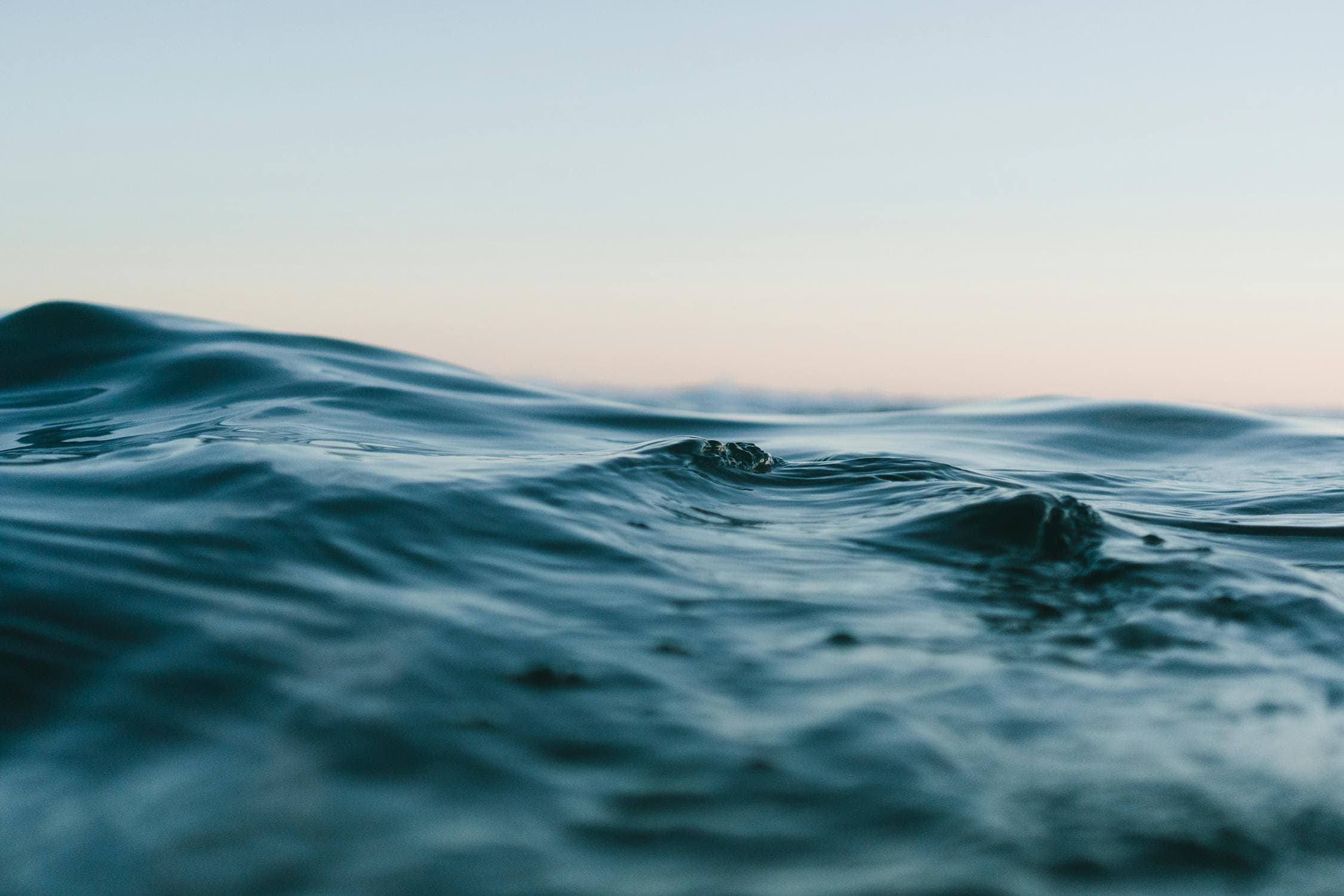
A dire warning has been issued in a recent report, which highlights the looming peril facing several Caribbean countries due to the absence of shoreline defenses.
According to the report, these nations may permanently lose at least five percent of their cities to sea-level rises by the close of this century.
Cities at risk
The report identifies Kingston (Jamaica), as one of the vulnerable cities in the crosshairs.
Without adequate shoreline defenses, the worst-case scenario of warming could lead to five per cent or more of the following cities succumbing to irreversible inundation: Guayaquil, Ecuador; Barranquilla, Colombia; Santos, Brazil; Rio de Janeiro, Brazil; Kingston, Jamaica; Cotonou, Benin; Kolkata, India; Perth, Australia; Newcastle, Australia; and Sydney, Australia.
New hyperlocal data sheds light
Insights from Human Climate Horizons, a joint initiative between the United Nations Development Programme (UNDP) and the Climate Impact Lab (CIL), reveal a distressing trend.
Over the past two decades, coastal flooding has escalated due to rising sea levels. Consequently, an additional 14 million people worldwide now reside in coastal communities with a one-in-20 annual risk of flooding.
If global greenhouse gas emissions (SSP2-4.5) continue on their current trajectory, this one-in-20 flood risk could extend to areas inhabited by nearly 73 million individuals by the close of the century.
Mapping vulnerabilities
The new hyperlocal data maps a fivefold surge in susceptibility to flood damage along densely populated coastlines globally.
This data platform provides crucial insights into where sea-level rise poses the gravest threat to homes and infrastructure.
The authors of the report emphasize that numerous highly populated cities will confront heightened flood risks by mid-century, compared to a future untouched by climate change.
Escalating risk and regional impact
The study’s findings paint a stark picture of mounting peril in low-lying coastal regions across Latin America, the Caribbean, Africa, and Southeast Asia.
This alarming trend has the potential to trigger a regression in human development within coastal communities worldwide.
The report asserts that by 2100, climate change could submerge over 5 per cent of land in Small Island Developing States (SIDS) and Associate Members of United Nations Regional Commissions, including the Bahamas, British Virgin Islands, Cayman Islands, Maldives, Marshall Islands, Turks and Caicos, Tuvalu, and Seychelles.
Global consequences
Under the most extreme scenario of global warming (SSP5-8.5), roughly 160,000 square kilometers of coastal land—equivalent to the territory of Greece or Bangladesh—could be inundated by 2100, compared to a world untouched by climate change.
Notably, this includes the United Arab Emirates, the host of the United Nations Climate Change Conference (COP 28) from November 30 to December 12 this year.
Hope lies in emission reduction
The report underscores that concerted efforts to curtail global emissions and limit warming to below two degrees Celsius could safeguard approximately 70,000 square kilometers of vulnerable land, preventing it from succumbing to rising sea levels.
Pedro Conceição, Director of UNDP’s Human Development Report Office, warns that the consequences of rising sea levels threaten to undo decades of human development progress in densely populated coastal zones housing one in seven people worldwide.
He urges decision-makers attending COP28 to act promptly.
Empowering communities with localized data
The report emphasizes the importance of empowering global citizens and decision-makers with localized information about the anticipated effects of climate change over the coming century.
It introduces projections of local sea-level rise and its human impact under three different emissions scenarios.
The data sources include satellite and tidal gauge observations and models from the Intergovernmental Panel on Climate Change (IPCC) Sixth Assessment Report.
Catalyst for action
In conclusion, the report stresses that the projected outcomes are not set in stone but serve as a call to action.
Swift and sustained efforts to reduce emissions can mitigate the risks and provide more time for proactive responses and preparations to address the impending threat of rising sea levels.
The report also highlights how climate change will influence temperatures, mortality rates, energy consumption, and the global workforce, offering valuable insights into our collective future and pinpointing areas most at risk from unmitigated climate change.