Chalk Artist Brings Duppy Stories to Life at Island SPACE Caribbean Museum
Key Points(5)
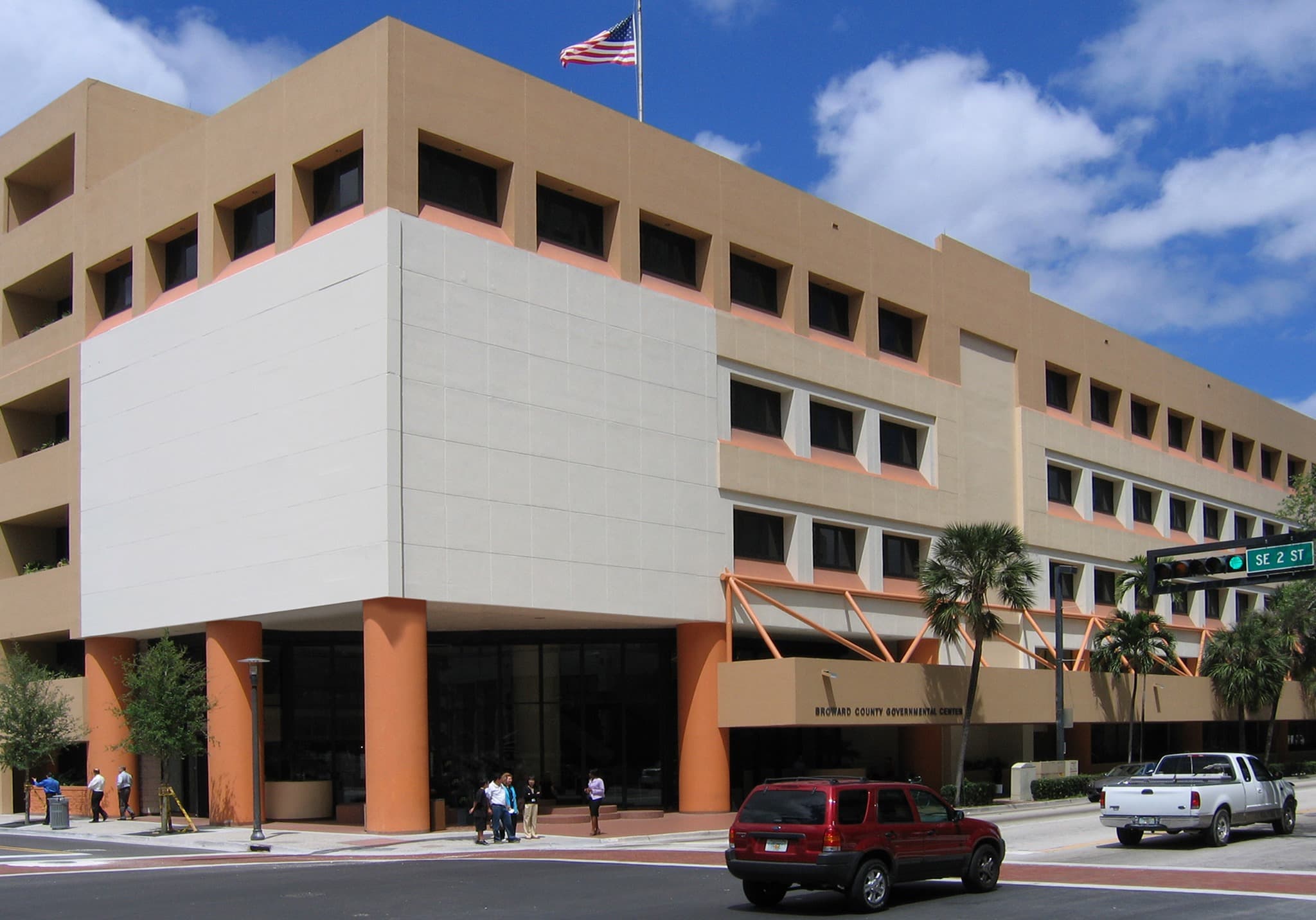
- <span style="font-weight: 400;">On October 29th, the <a href="https://islandspacefl.org">Island SPACE Caribbean Museum</a>, at the northeast end of Westfield Broward Mall in Plantation, hosted a Malloween and Caribbean Folktales Night.
- </span> <span style="font-weight: 400;">Held over the Halloween weekend, the family-friendly event celebrated folklore and culture across the Caribbean archipelago filled.
- The performances were interactive audience activities and presentations from notable artists.
- </span><span style="font-weight: 400;">Nadine Taylor performed a puppet show, Maxine Osbourne showcased moves and routines from Kumina, and Roxanne Vailes dressed as the mythical Devil Woman to tell stories.
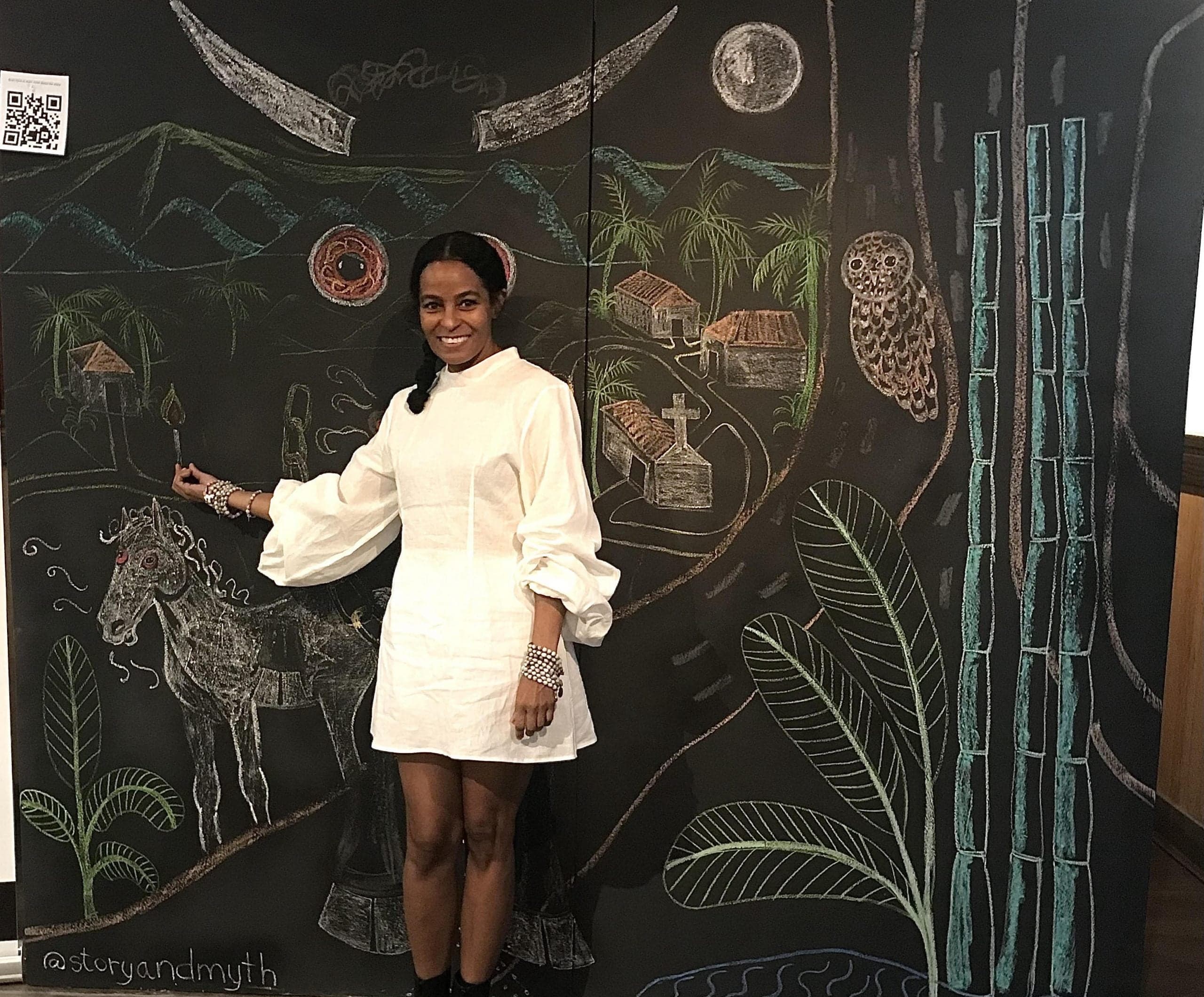
- </span> <span style="font-weight: 400;">Near the end of the event, Jamaican artist Kristie Stephenson unveiled a permanent chalk mural depicting an amalgamation of various folklore.
On October 29th, the Island SPACE Caribbean Museum, at the northeast end of Westfield Broward Mall in Plantation, hosted a Malloween and Caribbean Folktales Night.
Held over the Halloween weekend, the family-friendly event celebrated folklore and culture across the Caribbean archipelago filled. The performances were interactive audience activities and presentations from notable artists. Nadine Taylor performed a puppet show, Maxine Osbourne showcased moves and routines from Kumina, and Roxanne Vailes dressed as the mythical Devil Woman to tell stories.
Near the end of the event, Jamaican artist Kristie Stephenson unveiled a permanent chalk mural depicting an amalgamation of various folklore. Focusing on Caribbean ghost or “duppy” stories, in the piece Stephenson synthesized aspects of Jamaican, Bajan, and Southern Antillean culture.
Jamaican Rolling Calf
At the forefront of Stephenson's chalk drawing was the Jamaican Rolling Calf, or as it’s known in Barbados, the Iron Donkey. “I thought it was very interesting that this character was present in different folklore,” muses Stephenson. “But it makes sense,” she quickly acknowledges, “we all have such similar ancestry.” The rolling calf is thought to be the spirit of a malicious man recently deceased, a landowner, or a butcher.
It does not take a lot to spark a fun fact about folklore or to get Stephenson to reveal an observed connection she has discovered from her research or the Folktales Night itself. She can effortlessly transition from an interview subject to a storyteller, diving into the prevalence of chains across mythical creatures, and sharing instructions on how to protect yourself from duppies (the answer is salt).
This adoration of story seeps into her artwork. In the immediate background of the Rolling Calf is a cotton tree, which according to Stephenson, is a sort of nexus for the supernatural. “It’s the dwelling palace of spirits or duppies,” she explains. A fact she learned from a story told by an elderly woman in Westmoreland.
Less prominent in the piece are the three-legged horse and the Ol’Higue. The three-legged horse is often ridden by Whooping Boy, a specter who patrols woody areas and makes a distinct whooping sound. He carries a whip and breathes hot air on its victims to kill them. The owl represents the Ol’Higue. According to myth, the Ol’Higue was a feminine spirit that sucked the life out of newborns. To get around, she would shed her skin and take the form of an owl, flying through the night.
Elements of Protection
Finishing the piece are the elements of protection - the moon and the crossroads. “Moonlight is a deterrent for these creatures,” Stephenson explains. “These stories were usually told under a full moon, when it was safest.” Crossroads or an intersection were said to be safe spaces, and by crossing an intersection, the haunted traveler would be able to evade their spectral pursuer.
For Stephenson, the Malloween and Caribbean Folktales Night is another notch in asserting Afro Caribbean pride. She recounts the story of Anansi, “In Africa, Anansi was a god, but when he came to the Caribbean he lost his god-title and had to rely on tricks. It speaks to people who have lost something and find their way to fight back against systematic oppression," she explains, making one final connection between our modern plight for the acceptance of African-influenced culture and the struggle of our ancestors to maintain their sense of self amidst the horrors of the Trans-Atlantic slave trade.