Cayman health authorities investigate confirmed Legionnaires’ disease case
Key Points(5)
- Katherine Ebanks-Wilks said relevant agencies have moved quickly to investigate the source of exposure and implement appropriate public health measures.
- “I want to reassure the public that the relevant agencies are actively responding to this case and taking the necessary steps to investigate the source of exposure and protect public health,” she said.
- “The risk to the wider community remains low.” Legionnaires’ disease is a form of pneumonia caused by Legionella bacteria, which can be present in certain water systems.
- Infection occurs when contaminated water droplets are inhaled.
- Health officials stressed that the disease is not transmitted from person to person.
The Ministry of Health, Environment and Sustainability and the Public Health Department in the Cayman Islands are investigating a confirmed case of Legionnaires’ disease, officials announced on Tuesday, noting that there is currently no evidence of additional infections and that the risk to the public remains low.
Health Minister Hon. Katherine Ebanks-Wilks said relevant agencies have moved quickly to investigate the source of exposure and implement appropriate public health measures.
“I want to reassure the public that the relevant agencies are actively responding to this case and taking the necessary steps to investigate the source of exposure and protect public health,” she said. “The risk to the wider community remains low.”
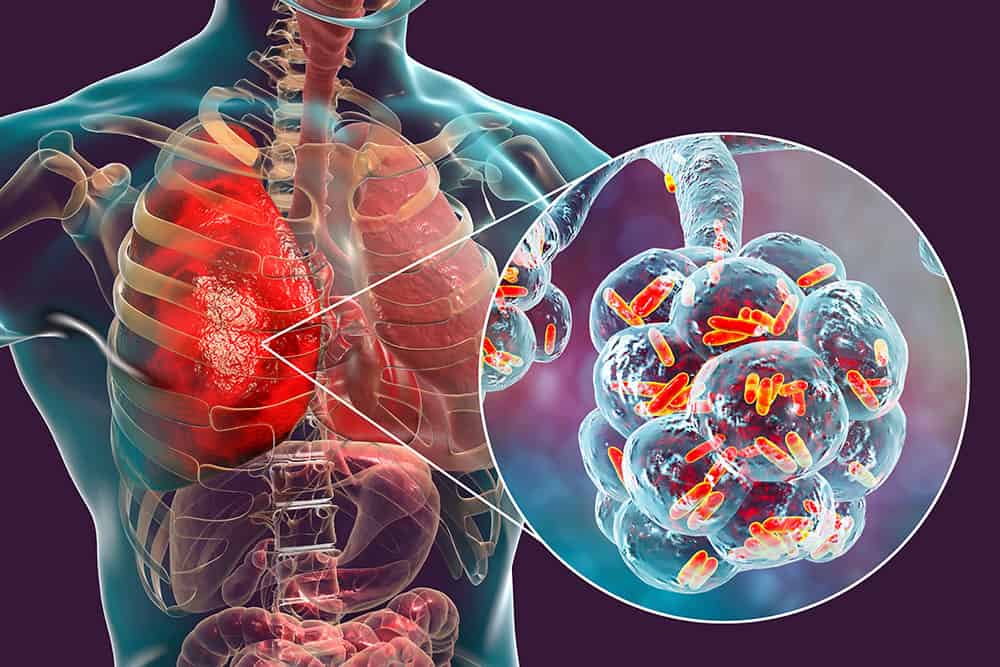
Legionnaires’ disease is a form of pneumonia caused by Legionella bacteria, which can be present in certain water systems. Infection occurs when contaminated water droplets are inhaled. Health officials stressed that the disease is not transmitted from person to person.
Authorities said most healthy individuals exposed to the bacteria do not become ill, but older adults, smokers, people with chronic lung conditions, and those with weakened immune systems are at higher risk.
Chief Medical Officer Dr. Hilary Wolf said the investigation is being guided by established epidemiological and laboratory protocols.
“Legionnaires’ disease investigations require both detailed epidemiological work and specialised laboratory testing,” she said. “Our teams are working systematically to identify potential sources of exposure.”
Environmental Health officers are currently collecting water samples from locations identified during the investigation. The samples will undergo specialised laboratory analysis, with results expected within seven to ten days.
Director of Environmental Health Richard Simms said precautionary measures are being taken where necessary as the investigation continues.
“Environmental Health officers are actively assessing locations identified through the investigation and collecting water samples for analysis,” he said. “Where warranted, these measures are implemented immediately, including reviewing water system management practices and introducing control steps to reduce potential risks.”
Officials said no additional cases have been identified so far, and public health teams will continue monitoring the situation while further updates are issued as new information becomes available.