CARICOM leaders to hold retreat immediately after opening of July summit in St Lucia
Key Points(5)
- Caribbean Community (CARICOM) leaders will hold their traditional heads of government retreat immediately after the ceremonial opening of the 51st Regular Meeting of the Conference of Heads of Government in July, St Lucia Prime Minister Philip J.
- Pierre, who will assume the rotating chairmanship of the regional bloc on July 1, said the retreat will take place on Monday, July 6, following the official opening ceremony scheduled for the evening of July 5.
- He explained that the scheduling shift is intended to allow leaders to engage in early, closed-door discussions on key regional issues before the formal business sessions begin.
- “On Monday, July 6, heads of governments or their representatives will participate in the Heads’ Retreat, an important opportunity for frank discussion, reflection, and consensus-building among regional leaders,” Pierre said during a media briefing.
- Traditionally held later in the summit, the retreat is considered one of the most significant segments of the CARICOM meeting, providing space for private negotiations and high-level alignment among member states.
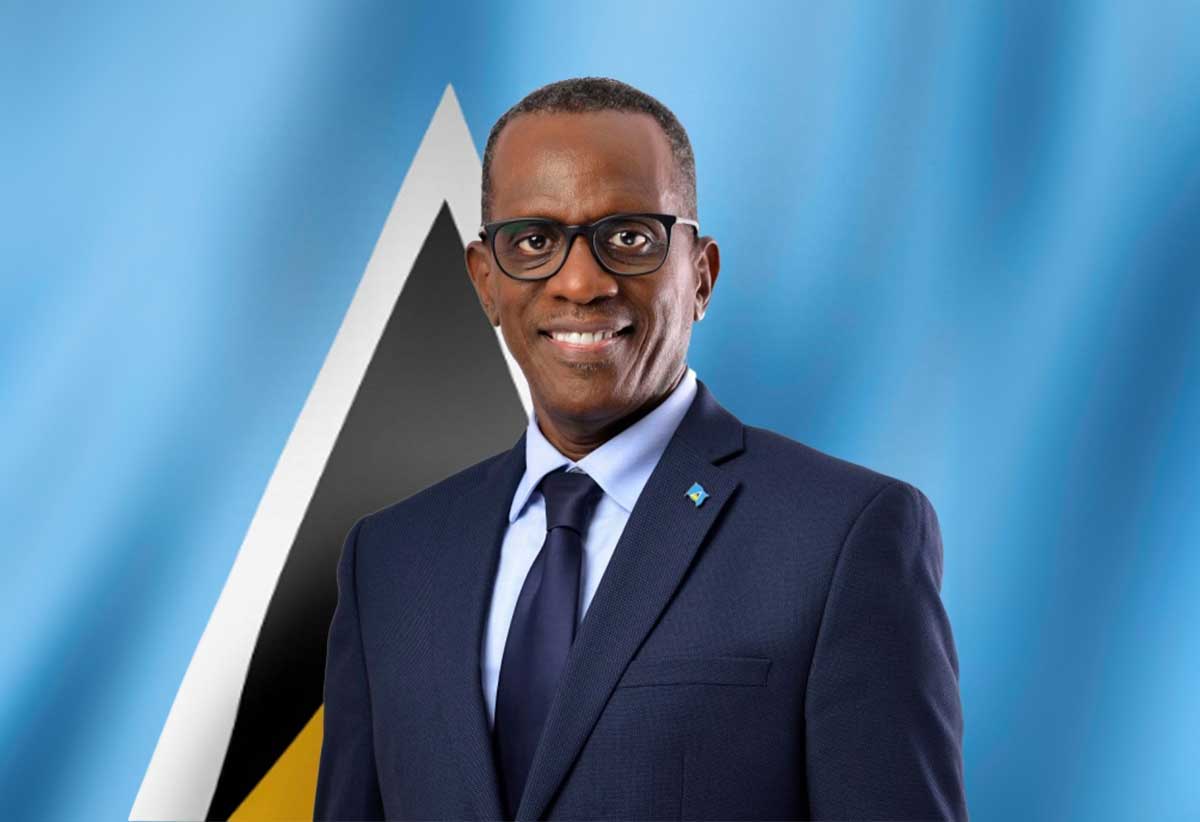
Caribbean Community (CARICOM) leaders will hold their traditional heads of government retreat immediately after the ceremonial opening of the 51st Regular Meeting of the Conference of Heads of Government in July, St Lucia Prime Minister Philip J. Pierre announced.
Pierre, who will assume the rotating chairmanship of the regional bloc on July 1, said the retreat will take place on Monday, July 6, following the official opening ceremony scheduled for the evening of July 5.
He explained that the scheduling shift is intended to allow leaders to engage in early, closed-door discussions on key regional issues before the formal business sessions begin.
“On Monday, July 6, heads of governments or their representatives will participate in the Heads’ Retreat, an important opportunity for frank discussion, reflection, and consensus-building among regional leaders,” Pierre said during a media briefing.
Traditionally held later in the summit, the retreat is considered one of the most significant segments of the CARICOM meeting, providing space for private negotiations and high-level alignment among member states.
The remaining formal sessions are scheduled for Tuesday and Wednesday, during which leaders are expected to deliberate on issues tied to regional integration, economic development, security cooperation, climate resilience and other priority areas.
Pierre said the design of this year’s programme reflects an effort to deepen engagement among leaders and strengthen collective decision-making.
Leadership transition and regional agenda
The upcoming summit also marks a leadership transition within CARICOM, with St Lucia set to take over the chairmanship from St Kitts and Nevis.
Pierre described the rotation as part of the bloc’s institutional continuity, noting that it reflects long-standing principles of shared leadership and cooperation among member states.
“The orderly rotation of leadership reflects one of the enduring strengths of our community,” he said, adding that CARICOM is navigating a period of significant global and regional change.
The summit theme, “CARICOM, From Resilience to Renewal in a Changing World,” will guide discussions throughout the meeting.
Pierre said the concept of resilience remains central to the Caribbean experience but argued that regional governments must now focus more deliberately on renewal across economies, institutions and opportunities for citizens.
Focus on results and regional delivery
Looking ahead to St Lucia’s incoming chairmanship, Pierre said the emphasis will be on delivering tangible outcomes for Caribbean citizens rather than limiting integration efforts to policy discussions.
“CARICOM must deliver results that our people can see and feel in their everyday lives,” he said, adding that regional cooperation must translate into practical improvements across areas such as security, climate resilience, food systems and economic development.
He also highlighted the work of CARICOM institutions in supporting member states in areas including public health, disaster preparedness, education and sustainable development.
The summit is expected to bring together leaders from across the 15-member bloc for several days of discussions aimed at advancing regional cooperation and addressing shared challenges.