Caribbean urged to brace for worsening heat, drought as El Niño strengthens
Key Points(5)
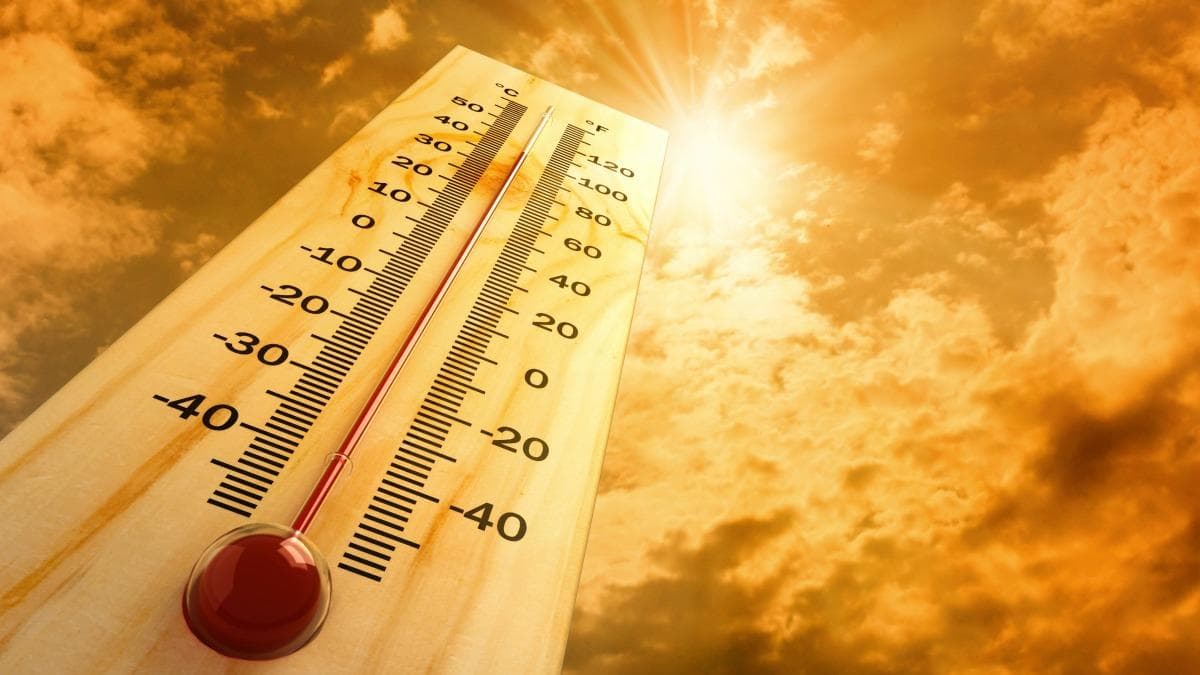
- The Caribbean is being urged to step up preparations for worsening heat and drought conditions as a strengthening El Niño threatens to bring potentially severe climate extremes across the region in the coming months.
- The Caribbean Institute for Meteorology and Hydrology (CIMH) said the warning comes as the region enters the peak of its Heat Season, which runs from August to October, while increasingly dry conditions are raising concerns ahead of the climatological Dry Season beginning around November.
- CIMH climatologist Dr.
- Cedric Van Meerbeeck said El Niño strengthened rapidly from weak to moderate conditions between May and July 2026.
- Forecasts now indicate the climate phenomenon could reach very strong levels between October and December and persist into March 2027.
The Caribbean is being urged to step up preparations for worsening heat and drought conditions as a strengthening El Niño threatens to bring potentially severe climate extremes across the region in the coming months.
The Caribbean Institute for Meteorology and Hydrology (CIMH) said the warning comes as the region enters the peak of its Heat Season, which runs from August to October, while increasingly dry conditions are raising concerns ahead of the climatological Dry Season beginning around November.
CIMH climatologist Dr. Cedric Van Meerbeeck said El Niño strengthened rapidly from weak to moderate conditions between May and July 2026. Forecasts now indicate the climate phenomenon could reach very strong levels between October and December and persist into March 2027.
The outlook calls for below-normal rainfall stretching from the Guianas across the Lesser Antilles and into the Greater Antilles, along with more frequent hot spells.
By October or November, drought conditions could affect much of the Windward and Leeward islands and the ABC Islands, as well as parts of Jamaica, Hispaniola and The Bahamas.
Those conditions could persist into early 2027, increasing the risk of water shortages and wildfires across affected countries and territories.
El Niño has historically been associated with severe drought across the Caribbean, including during 2009-2010 and 2014-2016. The phenomenon can also contribute to extreme humid heat, wildfires and marine heatwaves capable of triggering coral bleaching.
Similar combinations of climate extremes were recorded during the exceptionally hot years of 2010, 2023 and 2024.
While El Niño is typically associated with reduced Atlantic hurricane activity, Van Meerbeeck cautioned that the region still faces the threat of damaging tropical systems.
He pointed to Tropical Storm Erika in 2015, which became one of Dominica's worst natural disasters after triggering widespread flooding and landslides despite the storm not making direct landfall.
Professor Michael Taylor, co-director of the University of the West Indies Climate Studies Group Mona, said climate risks identified earlier this year are now beginning to emerge.
“The risks signalled by the science earlier this year are now beginning to materialise,” Taylor said. “We are seeing an emerging climate disaster whose impacts combine heat, drought, and marine extremes. Unlike a hurricane, the impacts will continue to build over months. However, that should not lessen the urgency or scale of our preparations. We must respond to the unfolding slow-moving crisis with the seriousness we bring to other major climate threats, since what we do now determines the options available to us later.”
Experts warn the developing conditions could have widespread consequences for agriculture, food security, public health, water and energy supplies, tourism and regional supply chains. Rain-fed agriculture in Belize and Jamaica is among the areas of particular concern.
CIMH Principal Dr. David Farrell said governments and other stakeholders should continue using climate information to guide planning and preparedness.
“Proactive measures are vital for mitigating the impacts of extreme weather events on climate sensitive sectors, communities, and national economies,” Farrell said.
CIMH is encouraging governments, businesses and communities to closely follow monthly Caribbean Climate Outlook Forum updates as the region moves toward the Dry Season and continues through the peak of the Heat Season.