Bahamas PM says COP31 failure puts future generations at risk
Key Points(5)
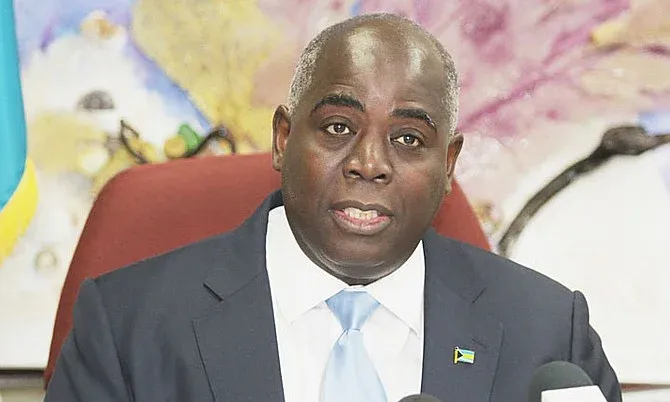
- Bahamian Prime Minister Philip Davis has sharply criticized the outcome of the United Nations Climate Change Conference (COP31) in Antalya, Türkiye, accusing oil and gas-producing nations of prioritizing profits over the safety of billions of people and the interests of future generations.
- In a statement issued on Nov.
- 22, Davis condemned the failure of world leaders to reach agreement on a final overarching climate decision, describing the outcome as a betrayal of vulnerable nations.
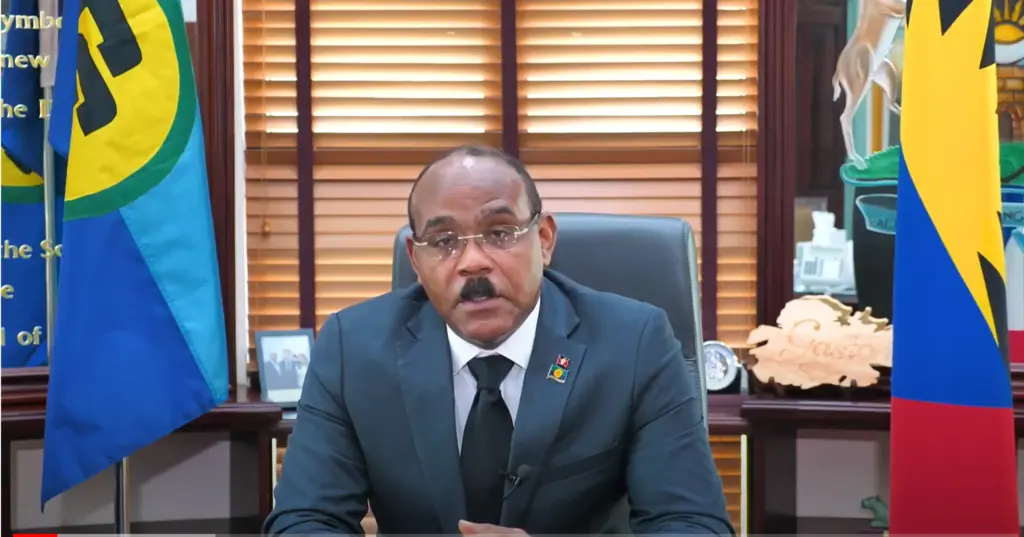
- “Antalya has failed future generations,” Davis said.
- “I say this as Prime Minister of The Bahamas, and I lend my voice to our partners in the Caribbean Community and to the small island and developing nations that were asked to accept that failure in silence.
Bahamian Prime Minister Philip Davis has sharply criticized the outcome of the United Nations Climate Change Conference (COP31) in Antalya, Türkiye, accusing oil and gas-producing nations of prioritizing profits over the safety of billions of people and the interests of future generations.
In a statement issued on Nov. 22, Davis condemned the failure of world leaders to reach agreement on a final overarching climate decision, describing the outcome as a betrayal of vulnerable nations.
“Antalya has failed future generations,” Davis said. “I say this as Prime Minister of The Bahamas, and I lend my voice to our partners in the Caribbean Community and to the small island and developing nations that were asked to accept that failure in silence. We reject it, and we will say so in every forum open to us.”
According to Davis, the conference ended without a final agreement after nearly two days of overtime, marking the first such impasse since the 2009 climate conference in Copenhagen.
The prime minister blamed a small group of oil and gas-producing countries for obstructing negotiations and preventing references to fossil fuels from being included in the proposed final text.
“Narrow self-interest caused this failure. A small number of oil and gas producers put their revenues ahead of the safety of billions of people. They used the rule of consensus, a rule meant to give every nation an equal voice, as a weapon to strip the cause of the crisis from the text,” he said.
Davis contrasted the outcome with COP28 in Dubai in 2023, when countries agreed to transition away from fossil fuels in their energy systems.
He said the proposed COP31 text acknowledged that the world was on course to exceed the 1.5-degree Celsius global warming threshold but failed to identify fossil fuels as a cause. It also dropped a proposed annual target of US$120 billion to help vulnerable nations adapt to climate change.
The Caribbean Community (CARICOM), negotiating as a bloc at a COP for the first time, and the Alliance of Small Island States (AOSIS) refused to accept the proposed text. The Bahamas, a member of both groups, supported their position.
“They were right. Had they signed, they would have accepted their own harm in writing,” Davis said.
His remarks follow a separate statement from CARICOM expressing deep disappointment over the conference's outcome and calling for stronger commitments to emissions reductions, adaptation financing and support for countries recovering from climate-related disasters.
Davis also warned that the consequences of delayed climate action would extend far beyond the current generation, noting that sea levels would continue to rise for centuries even after emissions stop.
The prime minister pointed to the disproportionate burden placed on small island developing states, which contribute less than 1% of global emissions but remain among the most vulnerable to climate change.
“We have brought plans, commitments and patience to three decades of these talks. Antalya exhausted that patience,” he said.
Despite his criticism, Davis reaffirmed The Bahamas' commitment to international climate negotiations, pledging to work alongside CARICOM and AOSIS to secure stronger commitments at COP32, scheduled to take place in Addis Ababa, Ethiopia, in 2027.
“Generations not yet born will ask whether we acted when we knew. Antalya gave them a shameful answer. Addis Ababa must give a better one.”