Barbados finance minister urges regional investment to benefit ordinary Caribbean citizens
Key Points(5)
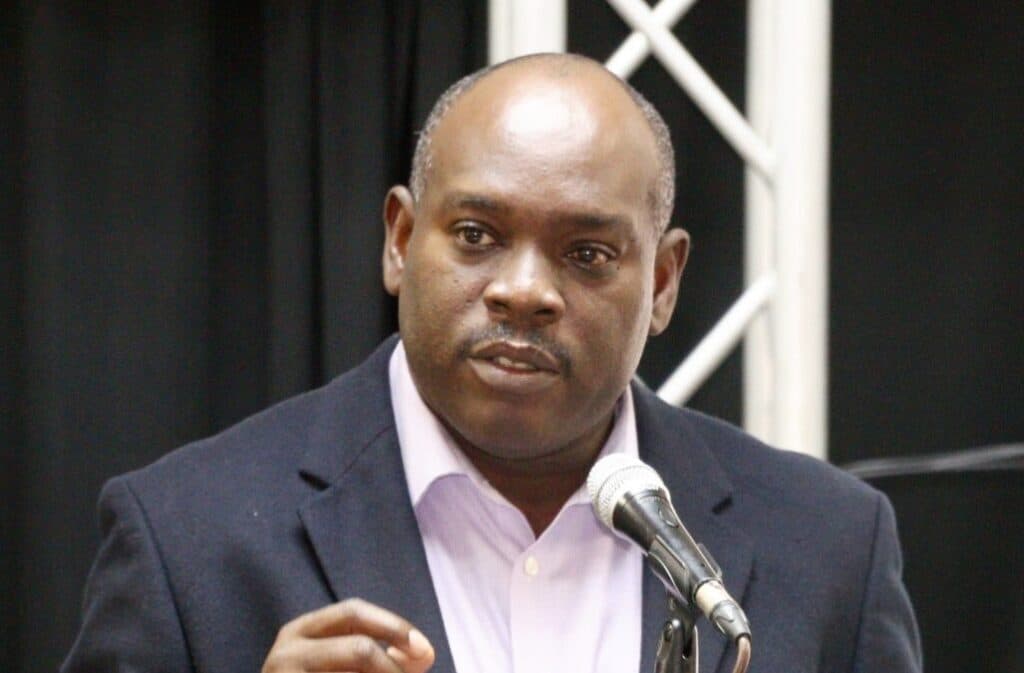
- Barbados Finance Minister Ryan Straughn on Thursday called for a new approach to regional investment that delivers tangible benefits for ordinary Caribbean people, as the inaugural Caribbean Economic Forum (CEF 2026) opened in Barbados.
- Addressing delegates at the two-day conference, Straughn said the region must ensure investment translates into greater economic opportunities, stronger resilience and wealth creation for Caribbean families.
- “I know that we have it within us to financially engineer any solution, any solution, and I see the Caribbean Economic Forum is not a talk shop… it is about us having a firm commitment to solving problems on behalf of Caribbean people,” he said.
- Organizers said the forum is focused on four key investment areas: energy transition and resilient power systems, water and climate-resilient infrastructure, food and agriculture modernization, and blue economy and coastal resilience projects.
- The event also emphasizes project preparation, blended finance, public-private partnerships and other financing tools to move projects from concept to execution within two to 24 months.
Barbados Finance Minister Ryan Straughn on Thursday called for a new approach to regional investment that delivers tangible benefits for ordinary Caribbean people, as the inaugural Caribbean Economic Forum (CEF 2026) opened in Barbados.
Addressing delegates at the two-day conference, Straughn said the region must ensure investment translates into greater economic opportunities, stronger resilience and wealth creation for Caribbean families.
“I know that we have it within us to financially engineer any solution, any solution, and I see the Caribbean Economic Forum is not a talk shop… it is about us having a firm commitment to solving problems on behalf of Caribbean people,” he said.
Held under the theme “Capitalizing the Caribbean’s Future: Mobilizing Intentional & Regional Capital for the Caribbean,” the forum has brought together more than 200 participants, including investors, development finance institutions, governments, regulators, private-sector leaders and project sponsors.
Organizers said the forum is focused on four key investment areas: energy transition and resilient power systems, water and climate-resilient infrastructure, food and agriculture modernization, and blue economy and coastal resilience projects. The event also emphasizes project preparation, blended finance, public-private partnerships and other financing tools to move projects from concept to execution within two to 24 months.
Describing himself as an “unapologetic regionalist,” Straughn said the forum complements efforts under the Caribbean Community (CARICOM) Single Market and Economy (CSME), which allows for the free movement of goods, services, labor and skills across the region.
He argued that while Caribbean countries generally have high savings rates, citizens often earn significantly lower investment returns than people in North America and Europe.
“Therefore, it is important that whilst we recognise the opportunities for investment, and we want to leverage those balance sheets that are here today, we want to implore you that we have to work alongside the regional institutions to mobilise regional savings and investment such that our Caribbean citizens can yield the same return or similar return as those in other jurisdictions,” he said.
Straughn said policymakers have a responsibility to create an environment that allows investment to flow while ensuring ordinary citizens also benefit.
“Generating wealth and having that wealth transferred from one generation to the next is important as part of the resilience building for the Caribbean,” he said, adding that governments must be deliberate in attracting partners who will invest alongside Caribbean people.
The finance minister highlighted regional innovation as a key driver of future growth, citing a Barbados-based initiative that converts wastewater from rum production into biofuel. He said projects like these can reduce the region's dependence on imported fossil fuels while creating new investment opportunities.
He urged investors to partner with the region's rum and agricultural industries to build projects capable of delivering sustainable returns while strengthening economic resilience.
Straughn also stressed the importance of mobilizing domestic capital, including pension funds, social security systems and individual savers, alongside foreign investment.
He said this would provide opportunities for people whose savings currently earn minimal returns in commercial banks while helping to strengthen Caribbean economies.
The minister acknowledged that attracting investment also depends on responsible fiscal management and stable regulatory environments.
Using Barbados as an example, he said the government has reduced the country's debt-to-gross domestic product ratio from 178 percent to 93.3 percent over the past eight years, despite setbacks caused by the COVID-19 pandemic.
Straughn also challenged participants to address the region's rising insurance costs, noting that Caribbean countries continue to pay disproportionately high reinsurance premiums as climate-related risks increase.
He said redirecting more of that capital into regional investments could help finance critical infrastructure, including energy, water and transportation projects, while improving resilience against climate change.
“The challenge that I put to this forum today is that not just focus on the deals that you want to make today but we have to invest in this Caribbean for the next 100 years,” Straughn said.
He urged governments, private-sector partners and international investors to work together through public-private partnerships and other financing models to accelerate development and create long-term prosperity.
“Our very clear mission is to help to enfranchise and empower the ordinary Caribbean citizen,” he said.