Bahamas opens first national coral gene bank to rescue endangered reefs
Key Points(5)
- The Bahamas has officially launched its first-ever coral gene bank, a groundbreaking conservation effort aimed at combating the alarming decline of coral reefs caused by climate change and disease.
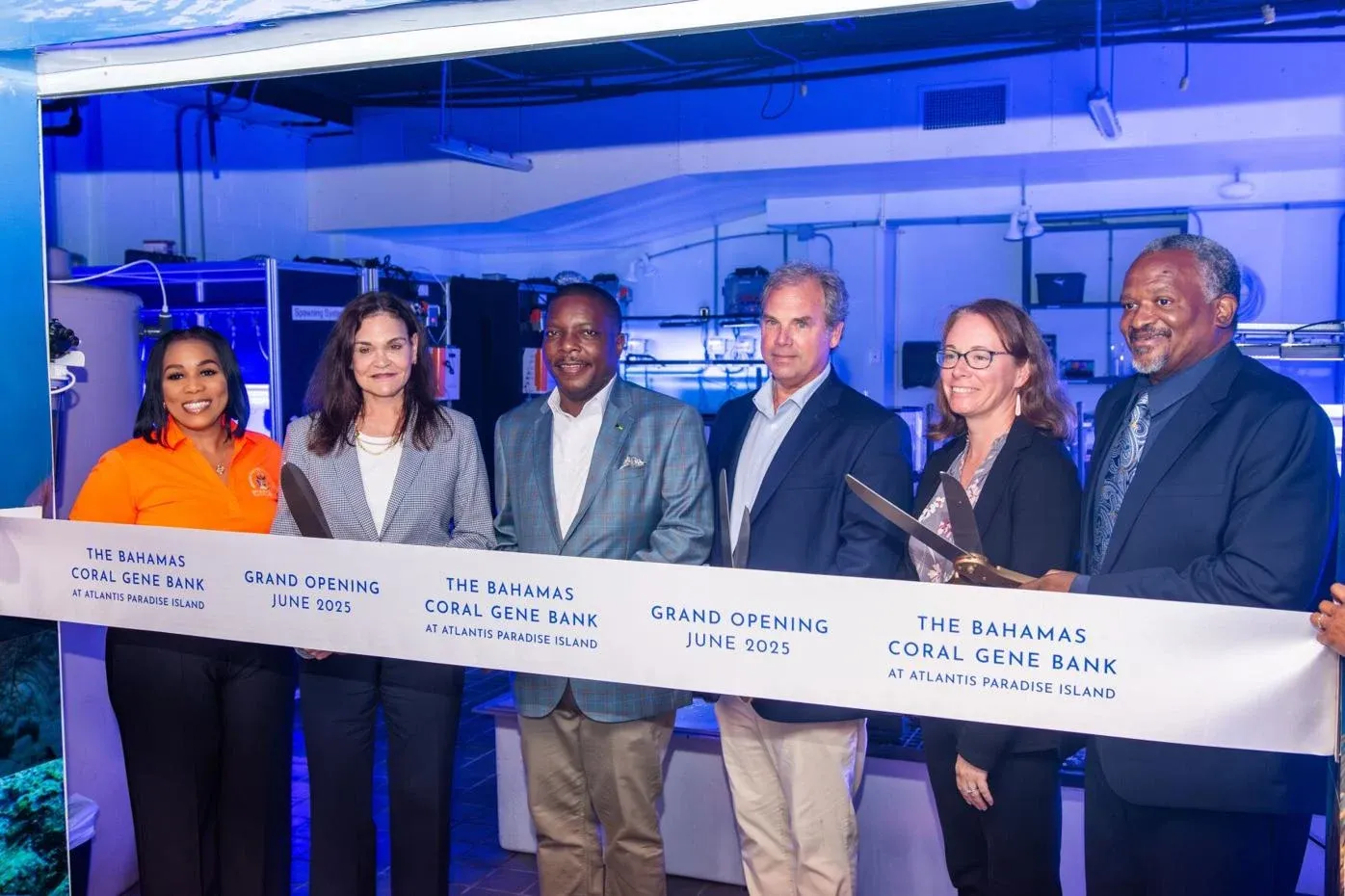
- Housed at Atlantis Paradise Island, the new Bahamas Coral Gene Bank marks a pivotal step in a wider national initiative to restore reef ecosystems and safeguard marine biodiversity.
- “Today’s opening marks a major milestone and also represents just the beginning,” said Atlantis Blue Project Foundation Executive Director Debra Erickson.
- “The Bahamas Coral Gene Bank at Atlantis Paradise Island is more than a facility—it is a symbol of hope, a safeguard for biodiversity, and a strategic investment in long-term reef resilience.
- It not only strengthens national conservation capacity but also inspires young Bahamians to take on leadership roles in the stewardship of our natural resources.” The facility is designed to accommodate up to 200 large coral colonies as well as juvenile corals and fragments.
The Bahamas has officially launched its first-ever coral gene bank, a groundbreaking conservation effort aimed at combating the alarming decline of coral reefs caused by climate change and disease.
Housed at Atlantis Paradise Island, the new Bahamas Coral Gene Bank marks a pivotal step in a wider national initiative to restore reef ecosystems and safeguard marine biodiversity.
The gene bank is part of a multi-agency collaboration between the Government of The Bahamas—through the Department of Marine Resources, the Department of Environmental Planning and Protection, and the Office of the Prime Minister—along with Atlantis Paradise Island, the Atlantis Blue Project Foundation, the Perry Institute for Marine Science (PIMS), the University of The Bahamas, and the Bahamas Agriculture and Marine Science Institute (BAMSI).
“Today’s opening marks a major milestone and also represents just the beginning,” said Atlantis Blue Project Foundation Executive Director Debra Erickson. “The Bahamas Coral Gene Bank at Atlantis Paradise Island is more than a facility—it is a symbol of hope, a safeguard for biodiversity, and a strategic investment in long-term reef resilience. It not only strengthens national conservation capacity but also inspires young Bahamians to take on leadership roles in the stewardship of our natural resources.”
The facility is designed to accommodate up to 200 large coral colonies as well as juvenile corals and fragments. Currently, 15 species of coral have been relocated to the biosecure aquaria at the site, where they are being nurtured using advanced reproduction techniques, including lunar-cycle simulations. The project is part of the Association of Zoos and Aquariums’ global Saving Animals from Extinction (SAFE) initiative.
Onsite management is being handled by experts from PIMS, including a former BAMSI graduate and student interns from both BAMSI and the University of The Bahamas, with technical support from Atlantis marine-life specialists.
“Coral has become increasingly endangered over the years, but the introduction of Stony Coral Tissue Loss Disease completely changed the game and created extreme urgency to act,” said PIMS Executive Director Dr. Craig Dahlgren. “Transmitted among corals through direct contact and water circulation, the disease has spread to all major Bahamian islands and causes a high death rate in corals. Treatments are emerging slowly, but corals need to be rescued and isolated from the disease while these methods are perfected. Our collective vision is not only to preserve coral currently under threat, but also to foster new generations of corals that, when replanted, are more resilient to disease and other dangers.”
The opening of the coral gene bank is a significant national milestone and a bold statement of intent from The Bahamas to protect its marine ecosystems from environmental stressors.