Ambassador nominee warns Trinidad SOEs “don’t bode well” amid crime concerns
.jpg&w=3840&q=75)
Key Points(5)
- Jennifer Johnson-Carroll, U.S.
- President Donald Trump’s nominee to become ambassador to Trinidad and Tobago, has raised concerns about the country’s ongoing crime crisis, saying repeated states of emergency signal the seriousness of the security challenges facing the twin-island republic.
- Johnson-Carroll, who was born in Port of Spain, made the comments Thursday during her confirmation hearing before the Senate Foreign Relations Committee, where lawmakers questioned her on Trinidad and Tobago’s security situation, government stability and the future of U.S.-Caribbean relations.
- "I do know that they have had several emergency orders, which doesn't bode well with regards to the criminal activities that's been occurring for a number of years," she told committee members.
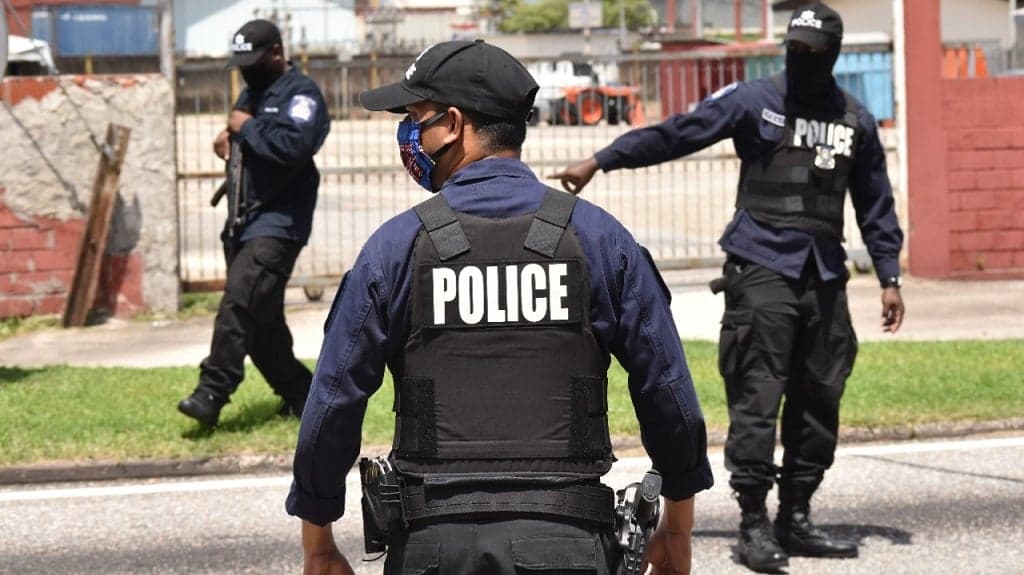
- Trinidad and Tobago has declared multiple states of emergency in recent years in response to escalating violent crime, with authorities citing gang activity and organized criminal networks as major drivers of insecurity.
Jennifer Johnson-Carroll, the U.S. government's nominee to become ambassador to Trinidad and Tobago, has raised concerns about the country’s ongoing crime crisis, saying repeated states of emergency signal the seriousness of the security challenges facing the twin-island republic.
Johnson-Carroll, who was born in Port of Spain, made the comments Thursday during her confirmation hearing before the Senate Foreign Relations Committee, where lawmakers questioned her on Trinidad and Tobago’s security situation, government stability and the future of U.S.-Caribbean relations.
"I do know that they have had several emergency orders, which doesn't bode well with regards to the criminal activities that's been occurring for a number of years," she told committee members.
Trinidad and Tobago has declared multiple states of emergency since last year in response to escalating violent crime, with authorities citing gang activity and organized criminal networks as major drivers of insecurity.
Questioned by committee Chairman Jim Risch about the stability of Trinidad and Tobago’s government, Johnson-Carroll said she could not provide an assessment before taking up the post but would seek more information if confirmed.
"The government, as far as the stability, I cannot speak to that. If confirmed, getting down to the region and having more dialogue with post as well as the government to find out more about that," she said.
Beyond crime, Johnson-Carroll identified border security and declining energy production as key issues that could shape the U.S.-Trinidad and Tobago relationship.
She said Trinidad and Tobago recognizes that it has "a porous border" and requires additional resources to address illicit human and narcotics trafficking.
Johnson-Carroll said security cooperation between the two countries remains strong, pointing to Trinidad and Tobago’s participation in the Caribbean Basin Security Initiative, a U.S.-led program aimed at strengthening security capacity and addressing transnational crime in the Caribbean.
"Right now, the United States is experiencing a good relationship with the country of Trinidad and Tobago, in that they've been very supportive of the Caribbean Basin Security Initiative," she said.
If confirmed, Johnson-Carroll said she would prioritize strengthening security cooperation, expanding economic ties and supporting energy partnerships between the two countries.
She also highlighted her personal connection to Trinidad and Tobago, telling senators that she was born in Port of Spain before immigrating to the United States at age 8. She previously served as Florida’s 18th lieutenant governor and retired as a U.S. Navy lieutenant commander after 20 years of service.
Johnson-Carroll said her background in military service, government and international trade would guide her approach to the ambassadorial role.
Her nomination will now be considered by the Senate Foreign Relations Committee before moving to a possible full Senate vote.