Home Blog Page 99

Royal Caribbean extends suspension of cruises to Haiti through 2026

Royal Caribbean makes changes to passenger legal terms & COVID policies

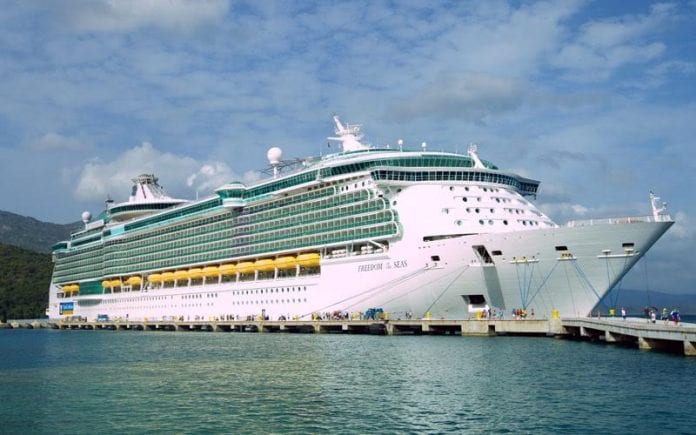
Royal Caribbean International, the only cruise line serving Haiti, announced that its ships will not call at Labadee, the company’s private destination on the northern coast of the island, until at least the end of 2026.

“Out of an abundance of caution, we have extended our pause to Labadee through December 2026,” said Royal Caribbean Group, the cruise line’s parent company. The company had previously suspended calls to Haiti until April 2026 due to ongoing violence.

Royal Caribbean’s last scheduled visit to Labadee was in the first quarter of 2025, following a suspension of visits in 2024. Ships have not called at the destination since April 2025. The latest extension comes amid heightened security concerns, as the U.S. State Department currently classifies Haiti as a Level 4 “Do Not Travel” destination, citing kidnappings, crime, civil unrest, and limited access to healthcare.

The cruise line has emphasized that the decision is aimed at ensuring the safety and well-being of passengers and crew, according to a post on the Royal Caribbean blog. Labadee, which sits on leased land along Haiti’s northern coast, offers visitors access to private beaches, water sports, a zipline, water slides, jet skis, private cabanas, and its own security team.

To accommodate travelers affected by the change, Royal Caribbean has shared alternative ports of call with travel agencies. Options include Nassau (Bahamas), Grand Turk (Turks and Caicos Islands), and Cozumel (Mexico).

The extended suspension highlights the ongoing challenges for tourism in Haiti, where safety concerns continue to disrupt international travel and cruise operations.
Jamaica confirms pause on US immigrant visas affecting Caribbean nationals

Jamaica Kamina Johnson Smith
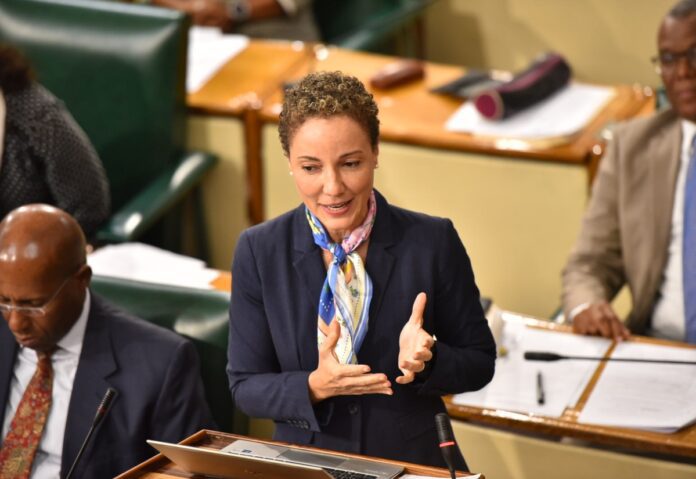
Minister of Foreign Affairs and Foreign Trade, Senator the Hon. Kamina Johnson Smith.

Jamaica’s Foreign Affairs and Foreign Trade Minister Kamina Johnson Smith has confirmed that the United States has paused the issuance of certain immigrant visas for nationals of select countries, including Jamaica.

In a statement shared via X, Johnson Smith said:

“As promised, I have confirmed that there is in fact a pause in the issuance of US immigrant visa applications from nationals of certain countries including Jamaica. I repeat that this relates to immigrant visas only (persons seeking to live permanently in the US). This does not affect applications for regular tourist visas, student visas, business visas or visas part of seasonal work programmes (farm work and hospitality) which continue to be processed by the US Embassy in Kingston.”

She added that while detailed information is not yet available, the U.S. Embassy in Kingston is expected to provide further guidance:

“I am advised that the @USEmbassyJA will provide such further clarity as they are able. I encourage persons with individual/family processes underway and who have specific questions, to use their usual platforms and channels to seek updates.”

The confirmation follows reports that the U.S. State Department is temporarily pausing new immigrant visa processing for 75 countries, including several Caribbean nations. The measure is part of an effort to tighten screening for applicants deemed likely to rely on public assistance, also known as the “public charge” rule, which considers factors such as age, health, finances, English proficiency, and prior use of government support.

Caribbean countries affected by the pause include Antigua and Barbuda, The Bahamas, Barbados, Belize, Dominica, Grenada, Haiti, Jamaica, Saint Kitts and Nevis, Saint Lucia, and Saint Vincent and the Grenadines. Non-immigrant visas, including tourist, student, business, and seasonal work visas, remain unaffected.

The U.S. State Department has said the pause, set to begin January 21, will continue indefinitely while procedures for vetting applicants are reassessed. Exceptions will be rare and granted only after applicants pass the public charge assessment.

Usain Bolt’s Tracks and Records, Govana and Yung Kings donate $600,000 to Mount Ward Primary

Mount Ward Primary.

Entertainment and philanthropy came together in a meaningful fashion as Usain Bolt’s Tracks and Records (UBTR), dancehall star Govana, and Yung Kings Entertainment extended a major lifeline to Mount Ward Primary School in Hanover.

The partners handed over a $600,000 donation to the hurricane-ravaged institution, providing timely support as the new school year gets underway. The contribution, presented on January 12 at Usain Bolt’s Tracks and Records in Kingston, will aid ongoing rebuilding efforts after Hurricane Melisa tore through the island’s western parishes in late October.

Mount Ward Primary, located near the Hanover–St James border, was among the hardest hit by the Category 5 storm. The school lost its entire roof, leaving its population of 120 students without proper classrooms, administrative offices, or bathroom facilities. Since the disaster, the institution has been forced to operate on a shift system, with students attending classes on rotating days.

The donation was generated from proceeds of the bi-monthly Livewire event, a hurricane relief drive headlined by Govana in November.

Principal Paula Chambers-Morris expressed heartfelt gratitude for the assistance, noting that the contribution arrived at a critical moment.

“This act of kindness has provided much-needed support at a time when our school is facing significant challenges to its infrastructure and daily operations,” she said. “It will go a long way in restoring stability and hope for our students and their families. We are deeply appreciative of the compassion and generosity shown, which reflects a strong commitment to community upliftment and the welfare of our nation’s children.”

The handover was facilitated by UBTR Marketing Manager Jizell Cowan and ARTS Chic Agency CEO Angiel Myers.

Cowan reaffirmed the brand’s commitment to national recovery efforts. “Usain Bolt’s Tracks and Records continues to stand with Jamaicans for the long haul as recovery efforts continue,” she said. “While we are known for quality food and entertainment, supporting our communities is also central to our ‘Real Jamaican Vibes’. We trust this donation will help restore normalcy and position our children for success.”

Yung Kings Entertainment’s Carlton Davy highlighted the broader role of the entertainment industry in nation-building. “Entertainment is a major contributor to Jamaica’s economy, supporting many livelihoods beyond artistes and promoters,” he said. “Despite being impacted by the hurricane ourselves, it was important for us as event planners to join the effort and assist a school in need.”

While most schools resumed the new academic term earlier this month, Mount Ward Primary continues to adjust to a challenging new reality. With support from UBTR, Govana, and Yung Kings Entertainment, however, the school is now firmly on the road to recovery.


Lauderdale Lakes renames Multipurpose Center in honor of Jamaican-American Commissioner Hazelle Rogers

Hazelle Rogers

The City of Lauderdale Lakes has officially renamed its Multipurpose Center in honor of longtime public servant Jamaican-American Commissioner Hazelle P. Rogers, recognizing decades of leadership and service that have helped shape the city and the wider South Florida region.

The renaming ceremony, held on January 8, 2026, at the facility located at 4340 NW 36th Street, brought together residents, community leaders, city staff, and elected officials to celebrate Rogers’ enduring legacy. The venue will now be known as the Hazelle P. Rogers Multipurpose Center.

Mayor Veronica Edwards Phillips described the honor as a fitting tribute to a leader whose impact has been deeply felt across Lauderdale Lakes.

“This renaming is a heartfelt and well-deserved tribute to a woman whose leadership, vision, and commitment to service have left an indelible mark on our city,” Phillips said. “Commissioner Rogers has dedicated her life to uplifting communities, championing equity, and ensuring that Lauderdale Lakes continues to move forward with purpose and pride.”

Rogers has served in public office for decades, including terms as Mayor of Lauderdale Lakes, Florida State Representative, and currently as a Broward County Commissioner. City officials noted that the renamed center will stand as a lasting symbol of her contributions and continue to host programs, services, and community events reflective of her commitment to community development.

A Jamaican national, Rogers is a trailblazer in Caribbean-American political leadership. She is the first person from the English-speaking Caribbean American diaspora elected to public office in the southern United States, launching her political career in Lauderdale Lakes in 1996.

In 2008, she made history again when she was elected to the Florida House of Representatives, becoming the first Jamaican and the second person from the English-speaking Caribbean to serve in the state legislature in Tallahassee. During her tenure, Rogers was a leading advocate for Caribbean diaspora initiatives and was instrumental in launching Caribbean Heritage Day celebrations at the Florida Capitol, highlighting the contributions of Caribbean-Americans to U.S. development.

Her work has earned widespread recognition. In 2012, she received the Jamaica Diaspora Honors “Changemaker” Award from the Consulate General of Jamaica in Miami during celebrations marking Jamaica’s 50th anniversary of independence. She was also inducted into the Broward County Women’s Hall of Fame in 2004.

City officials said the Hazelle P. Rogers Multipurpose Center will continue to serve as a place for connection, growth, and civic engagement — reflecting the leadership and service that defined Rogers’ career and legacy.

Dancehall artist Chronic Law listed in ICE custody, records show

Chronic Law

Dancehall artist Chronic Law, whose given name is Ackeme Jermane Campbell, has been listed as being in the custody of U.S. Immigration and Customs Enforcement (ICE), according to information published on the agency’s official website on Wednesday.

Public booking records published by the Georgia Gazette show that Campbell was arrested and booked into the Turner County Jail on November 15, 2025. The booking, published on November 23, lists multiple traffic-related charges, including fleeing or attempting to elude a police officer, reckless driving, improper or erratic lane change, driver exercise due care, and speeding in excess of maximum limits.

ICE’s detainee locator confirms that Campbell, a Jamaican national, is currently in immigration custody. However, the agency has not disclosed the specific detention facility, directing inquiries to ICE for further details. No information has been made public regarding bond eligibility, immigration status, or potential removal proceedings.

Chronic Law rose to prominence in Jamaica’s dancehall scene in the late 2010s, earning recognition for his raw, introspective lyrics and socially conscious themes. He is known for tracks such as “Empty,” “Hillside,” and “Nuh Like People,” and has built a loyal following both in Jamaica and across the diaspora.

As of publication, neither ICE nor representatives for the artist have issued an official statement addressing the arrest or his current legal situation. ICE listings and jail bookings are administrative records and do not constitute a finding of guilt. The matter remains developing.

Several Caribbean nations among 75 countries facing US visa pause

visa

The U.S. State Department is temporarily pausing the processing of immigrant visas for 75 countries, including several Caribbean nations, in an effort to tighten screening of applicants deemed likely to rely on public benefits, according to Fox News.

It does not apply to applicants seeking non-immigrant visas, temporary tourist or business visas.

The pause, set to begin Jan. 21, will continue indefinitely as the department reassesses its procedures for vetting visa applicants. The guidance instructs consular officers to deny visas to individuals judged likely to become a “public charge,” considering factors such as age, health, finances, English proficiency, and potential long-term medical needs. Those who have previously received government assistance or institutional care may also be denied.

A “public charge” is a term used in U.S. immigration law to describe someone who is considered likely to rely primarily on government assistance (like welfare, food stamps, or long-term medical care paid by the state) to support themselves.

“The State Department will use its long-standing authority to deem ineligible potential immigrants who would become a public charge on the United States and exploit the generosity of the American people,” State Department spokesperson Tommy Piggott said in a statement to Fox News.

Caribbean countries affected by the pause include Antigua and Barbuda, Bahamas, Barbados, Belize, Dominica, Grenada, Haiti, Jamaica, Saint Kitts and Nevis, Saint Lucia, and Saint Vincent and the Grenadines. Exceptions to the pause will be rare and granted only after applicants pass the public charge assessment.

While the public charge rule has existed for decades, enforcement has varied across U.S. administrations. Historically, consular officers have had broad discretion in applying the standard. The current pause signals a stricter approach, aimed at limiting entry to applicants who may depend on U.S. public assistance programs.

The list of affected countries also spans regions in Africa, Asia, Europe, and Latin America, highlighting the global scope of the policy, but the inclusion of multiple Caribbean nations underscores the potential impact on migration from the region.

The full list of countries comprises of: Afghanistan, Albania, Algeria, Antigua and Barbuda, Armenia, Azerbaijan, Bahamas, Bangladesh, Barbados, Belarus, Belize, Bhutan, Bosnia, Brazil, Burma, Cambodia, Cameroon, Cape Verde, Colombia, Cote d’Ivoire, Cuba, Democratic Republic of the Congo, Dominica, Egypt, Eritrea, Ethiopia, Fiji, Gambia, Georgia, Ghana, Grenada, Guatemala, Guinea, Haiti, Iran, Iraq, Jamaica, Jordan, Kazakhstan, Kosovo, Kuwait, Kyrgyzstan, Laos, Lebanon, Liberia, Libya, Macedonia, Moldova, Mongolia, Montenegro, Morocco, Nepal, Nicaragua, Nigeria, Pakistan, Republic of the Congo, Russia, Rwanda, Saint Kitts and Nevis, Saint Lucia, Saint Vincent and the Grenadines, Senegal, Sierra Leone, Somalia, South Sudan, Sudan, Syria, Tanzania, Thailand, Togo, Tunisia, Uganda, Uruguay, Uzbekistan and Yemen.

Drug use disorders rising across the Americas, PAHO study finds

Drug use

Drug use disorders are a growing public health concern in the Americas, affecting an estimated 17.7 million people and ranking among the top ten risk factors for death and disability in the region, according to a new study published in the Pan American Journal of Public Health.

The analysis, based on 2021 data from the Global Burden of Disease study, found that nearly 78,000 deaths in the Americas were directly linked to drug use disorders—four times higher than the global average. Opioid use was identified as the primary driver, accounting for more than 75% of all related deaths, with young men disproportionately affected. Disability-adjusted life years (DALYs) from drug use disorders nearly tripled between 2000 and 2021, rising at an average rate of almost 5% per year.

“Drug use disorders are preventable and treatable, yet they are taking an increasing toll on families and communities across our Region,” said PAHO Director Dr. Jarbas Barbosa. He emphasized the urgent need for countries to scale up evidence-based prevention, treatment, and harm reduction services, especially for young people and high-risk populations.

The study highlights regional differences in drug use patterns. In North America, opioid-related disorders—including those linked to potent synthetic opioids such as fentanyl—and amphetamine use have surged. In the Caribbean, Central America, and South America, cannabis and cocaine remain the leading contributors to drug-related health burdens.

Researchers estimate that drug use contributed to 145,515 deaths in 2021 from causes such as opioid overdose, liver cancer, cirrhosis, and suicide. The COVID-19 pandemic appears to have exacerbated these trends, with increases in opioid and amphetamine use linked to crisis-related stress, disrupted health services, and social isolation.

PAHO calls for urgent, integrated action to address the crisis. Recommended measures include expanding access to prevention, treatment, and harm reduction services; integrating substance use care into primary health care and community programs; improving data systems to monitor emerging trends; and adopting gender-responsive strategies, given rising rates among women. Tools such as WHO’s Alcohol Use Disorders Identification Test (AUDIT) and ASSIST screening test are cited as cost-effective methods to reduce harm.

“We must place mental health and substance use care at the center of our health systems,” said Dr. Renato Oliveira E Souza, chief of PAHO’s Mental Health and Substance Use Unit. “Community-based, people-centered services, supported by strong public health leadership, can reverse these trends and save thousands of lives across the Americas.”

Food vouchers give storm-struck Haitian families a fresh start

© WFP/Sylvain Barral Families in southeastern Haiti receives food assistance through a voucher system at a local store.

Standing outside a bustling shop in southeastern Haiti, Ketia surveys the groceries she has just purchased: a sack of flour, packages of spaghetti, boxed milk, and bars of soap. For her and her family, these items represent not just sustenance, but a return to some sense of normalcy after Hurricane Melissa swept through the Caribbean in October, destroying homes and livelihoods.

Ketia and her husband, both teachers, lost everything in the storm, from furniture to their car. They are now among roughly 225,000 people receiving support from the UN World Food Programme (WFP) through a voucher system that allows families to buy essentials from selected local retailers.

“The shop is using an electronic system which records transactions, and WFP pays the retailer,” explained Channon Hachandi, Head of Supply Chain for WFP Haiti. “It’s a good method to support affected families, because instead of receiving aid at a distribution, the recipient acts like a normal shopper, going to the market.”

© WFP/Sylvain Barral

Even before the hurricane, more than half of the residents in the hardest-hit areas faced acute food insecurity. The storm killed more than 40 people and caused extensive damage to homes, businesses, and farmland, leaving a near-total loss of crops in a region reliant on small-scale agriculture.

WFP responded before, during, and after the hurricane. Early warning texts reached 3.5 million people, cash payments helped households prepare, and emergency rations were distributed to families in temporary shelters during and immediately after the storm.

Now, the agency is shifting toward longer-term recovery, providing cash and vouchers to give families “the dignity of choice,” according to Wilfred Nkwambi, WFP’s Head of Programmes in Haiti. About 10 per cent of those receiving post-storm assistance currently benefit from the voucher programme, which WFP hopes to expand.

“The voucher system not only helps recipients, it also supports local businesses,” Nkwambi said. “In this shop alone, eight people are employed for distributions. Across five other shops, about 40 people, mostly women and young people, are now earning an income.”

Day labourers are also hired for logistics, further boosting the local economy. WFP said the approach transforms aid into a driver of economic recovery while reinforcing resilience and dignity for affected communities.

“Thanks to the food voucher distribution, we won’t go hungry in the coming weeks, and we have the chance to start rebuilding our lives,” Ketia said, loading her groceries onto a motorcycle taxi and heading home.

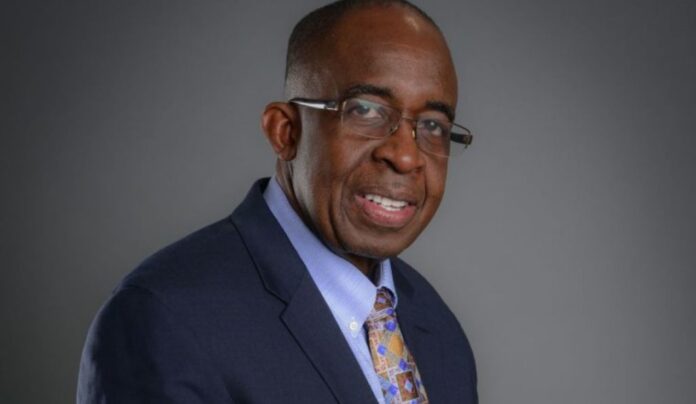
Patrick Hylton named President of PSOJ, succeeds Metry Seaga

Patrick Hylton

Patrick Hylton, former president and CEO of National Commercial Bank (NCB) Financial Group, has been appointed president of the Private Sector Organisation of Jamaica (PSOJ), the island’s leading business advocacy body. He succeeds Metry Seaga, who led the organisation for the past three years.

Hylton brings more than three decades of experience in banking and finance to the role. During his tenure at NCB Financial Group, which he left in 2023, he oversaw its rise to become the largest and most profitable financial institution in Jamaica and the most profitable stand-alone financial group in the English-speaking Caribbean.

“His career has been defined by a commitment to excellence, innovation, and disciplined execution, with a reputation for balanced, customer-centric leadership,” the PSOJ said in a statement on Tuesday.

Hylton has also held numerous leadership positions across the financial sector and beyond, including chairman roles at National Commercial Bank Jamaica Limited, NCB Capital Markets Limited, Glenmuir High School, the Mona School of Business & Management, Guardian Holdings Limited (Trinidad & Tobago), and Clarien Bank Limited (Bermuda). He currently chairs WIP Energy and sits on the board of Massy Group.

The PSOJ also announced its vice-presidential team, which includes Joanna Banks of Sagicor Group Jamaica, Mathew Lyn of Caribbean Broilers Group, and Mariame McIntosh Robinson, an individual member. They join returning vice presidents Gail Moss-Solomon of GraceKennedy Limited and Hugh Grant of Jamaica Public Service.

Hylton’s contributions to Jamaica’s financial sector have earned him national recognition. He was appointed by the government in the mid-1990s to lead financial sector restructuring, earning the Order of Distinction (Commander Class) in 2002. In 2020, he received the Order of Jamaica for his service to finance and philanthropy.

An honours graduate in Business Administration, Hylton is an Associate of the Chartered Institute of Bankers (London), a 2016 Jamaica Institute of Management Manager of the Year awardee, and holds an honorary Doctor of Laws (LLD) from the University of the West Indies, Mona.

“As the PSOJ advances its advocacy agenda, focused on productivity, competitiveness, and sustainable growth, his experience and steady leadership will be invaluable,” said PSOJ Executive Director Sacha Vaccianna Riley. “We also extend our sincere gratitude to Metry Seaga for three years of exemplary service and impact at the helm of the organisation.”

Miami-Dade expands school-based health services to 283 schools

Miami-Dade expands school-based health services to 283 schools
The Children's Trust is now allocating $25,824,500 each year to provide comprehensive health services through six health care service agencies, reaching 283 schools in Miami-Dade County. (Courtesy of The Children's Trust)

All 283 Miami-Dade County public schools now have access to comprehensive, on-campus healthcare services aimed at keeping students healthy and reducing absenteeism, officials announced Tuesday. The expansion, part of the HealthConnect initiative, includes primary care, dental, vision, mental health services, and management of chronic conditions such as asthma, diabetes, and seizures.

Backed by a $25.8 million annual investment from The Children’s Trust—a locally funded organization supported through property taxes—the expansion represents a 29% increase over last year and doubles the number of schools participating in the program. Mobile health units will also make regular stops, ensuring students at schools without permanent clinics still receive specialized care.

“For kids to be able to walk into a clinic in school, access care, first aid, routine medical services, or respond to emergencies, it has a profound impact,” said James Haj, CEO and President of The Children’s Trust. He added that mental health support is now a major component, with licensed professionals available during and after school hours for therapy or telehealth visits.

Students from prekindergarten through 12th grade can receive free screenings for vision, body-mass index, and scoliosis, as well as telehealth visits, vaccinations, and chronic condition management. While some services, such as scoliosis checks, are mandated by state law, others—including mental health care—require parental consent. Parents can contact their schools to enroll children in the program.

The HealthConnect initiative operates through a combination of on-site clinics, mobile health units, and virtual care. Medical teams are provided by partner organizations, including Citrus Health Network, Community Health of South Florida, Jessie Trice Community Health System, Nicklaus Children’s Hospital School Health Program, the University of Miami Health System, and Hazel Health.

Haj, a former high school principal, highlighted the difference school-based clinics make in keeping students in class and providing care efficiently. “How did schools survive before there were clinics for kids to be able to go in and access care?” he asked during a program event at Spanish Lake Elementary, where one of three mobile health units was deployed.

The program ensures that students, families, and the broader community can benefit from accessible healthcare without missing class or work, addressing both physical and mental health needs year-round.

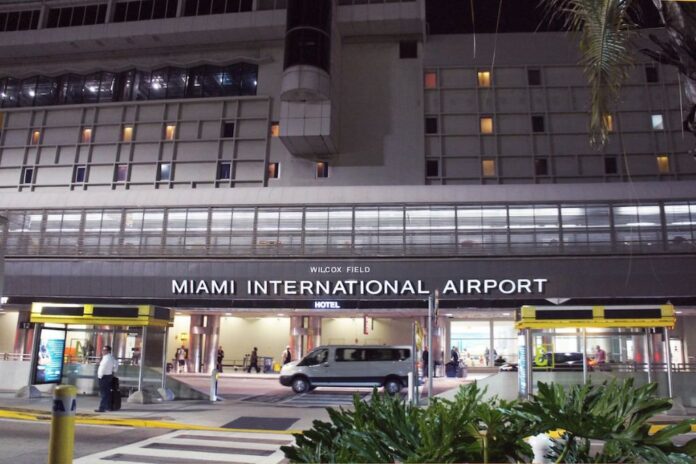
FAA issues ground stop at Miami International Airport as dense fog hits South Florida

Miami International Airport

The Federal Aviation Administration (FAA) has issued a ground stop for all incoming flights to Miami International Airport on Wednesday due to dense fog and “low ceilings” across portions of South Florida.

The National Weather Service (NWS) has issued a dense fog advisory, in effect until 9 a.m., for Broward, Miami-Dade, and Palm Beach counties. Visibility could drop to less than half a mile, particularly along Interstate 75, making driving conditions hazardous..

Authorities are urging drivers to exercise extreme caution. The NWS recommends:

  • Driving with low-beam headlights on.

  • Reducing speed and maintaining a safe distance from other vehicles.

  • Avoiding unnecessary lane changes or stopping on heavily traveled roads.

  • Using wipers and defrosters for maximum visibility.

  • Exercising caution in school zones and watching for children and school buses.

  • Considering postponing travel until fog conditions improve.

The NWS also warned that smoke from grass or forest fires can combine with fog to reduce visibility even further, creating potentially dangerous conditions for motorists.

Passengers traveling through Miami International are advised to check with their airlines for updates and delays.

15 previously deported immigrants indicted for illegal reentry in South Florida

Four Jamaicans arrested in Alabama for alleged involvement in lottery scam

Fifteen previously deported individuals have been indicted by federal grand juries in the Southern District of Florida for illegally reentering the United States, U.S. Attorney Jason A. Reding Quiñones announced Monday, January 12, 2026.

According to the indictments, the defendants—hailing from Guatemala, Mexico, Honduras, and Cuba—allegedly reentered the U.S. unlawfully after prior deportations and were later apprehended in South Florida counties, including Miami-Dade, Monroe, Highlands, Martin, St. Lucie, and Okeechobee.

The indictments detail the following cases:

  • Santos Godinez-Jacinto, 46, of Guatemala, found in Miami-Dade County in December 2025 after being deported in 2010 (Case No. 26-cr-20008).

  • Jose Francisco Cardenas-Meza, 42, of Honduras, found in Miami-Dade in December 2025 after being deported in 2006, 2011, and 2012 (Case No. 26-cr-20005).

  • Santos Alberto Cardenas-Meza, 44, of Honduras, found in Miami-Dade in December 2025 after being deported in 2012 and three times in 2016 (Case No. 26-cr-20006).

  • Gaspar Mendoza-Lopez, 28, of Guatemala, found in Miami-Dade in December 2025 after being deported twice in 2016 (Case No. 26-cr-20007).

  • Ariel Urrea-Diaz, 58, of Mexico, found in Miami-Dade in November 2025 after deportations in 1983 and twice in 2013 (Case No. 26-cr-20013).

  • Angel Anibal Garcia, 34, of Guatemala, found in Miami-Dade in November 2025 after deportations twice in 2012 and again in 2013 (Case No. 26-cr-20015).

  • Sergio Perdomo Pajan, 38, of Cuba, found in Miami-Dade in November 2025 after deportations in 2013 and 2022 (Case No. 26-cr-20014).

  • Waldemar Rosales-Teletor, 36, of Guatemala, found in Monroe County in December 2025 after deportations in 2007, 2012, and 2013 (Case No. 26-cr-20011).

  • Elias Vicente Juarez, 30, of Guatemala, found in Miami-Dade in December 2025 after being deported in 2014 (Case No. 26-cr-20016).

  • Luis Fernando Mendoza-Romulo, 30, of Mexico, found in St. Lucie County after being deported in 2023 (Case No. 26-cr-14001).

  • Anibal Vidal Bamaca-Bautista, 28, of Guatemala, found in Okeechobee County after deportations in 2015 and 2020 (Case No. 26-cr-14004).

  • Virginia Vazquez-Rodriguez, 41, of Mexico, found in Highlands County after deportation in 2019 (Case No. 26-cr-14002).

  • Udi Mejia, 40, of Mexico, found in Highlands County after deportation in 2019 (Case No. 26-cr-14005).

  • Wilton Velasquez-Hernandez, 35, of Guatemala, found in Highlands County after deportations twice in 2019 and again in 2020 (Case No. 26-cr-14007).

  • Ivan Perez-Lopez, 43, of Mexico, found in Martin County in December 2025 after deportations twice in 2004 and again in 2008 (Case No. 26-cr-14006).

Illegal reentry after deportation carries a maximum penalty of two years in federal prison. However, prior convictions or aggravated offenses increase potential sentences:

Luis Fernando Mendoza-Romulo faces up to 10 years due to prior convictions. While Sergio Perdomo Pajan and Ariel Urrea-Diaz face up to 20 years each, based on prior aggravated convictions.

The cases are being investigated by U.S. Immigration and Customs Enforcement (ICE), Enforcement and Removal Operations (ERO); Homeland Security Investigations (HSI); and U.S. Customs and Border Protection (CBP), with support from the Monroe County Sheriff’s Office and the Florida Highway Patrol.

The prosecutions are being handled by Assistant U.S. Attorneys Jeremy Fugate, Melissa Roca Shaw, Justin Hoover, Christopher Hudock, and Jessica Kahn Obenauf through the newly formed Border and Immigration Crimes Enforcement (BICE) Section.

BICE was created by U.S. Attorney Reding Quiñones in November 2025 to strengthen South Florida’s border security, protect maritime and land points of entry, enforce federal immigration law, and dismantle transnational smuggling networks operating through the region. The section combines narcotics, immigration, fraud, and violent-crime expertise into a coordinated unit focused on border-driven threats. Since its inception, BICE has indicted more than 40 illegal reentry cases.

“These indictments demonstrate our commitment to enforcing federal immigration laws and protecting South Florida’s borders,” U.S. Attorney Reding Quiñones said. “BICE brings together resources and expertise to address repeat illegal reentry and other border-related criminal activity in a coordinated, strategic manner.”

The indictments mark the latest effort by federal authorities to prosecute repeat immigration offenders and reinforce border security in the Southern District of Florida.

Jamaican scholars push national rollout to equip women for the digital era

Dr Ruby Brown & UWI Mona Professor Gunjan Mansingh at the UNDP/ UN Global Leadership Academy on Women Leading in the Digital Era in Marrakesh, Morocco in national dress and colours

Two of Jamaica’s leading academic figures are working on a national rollout strategy aimed at equipping Jamaican women to thrive in the digital era, following their participation in a United Nations Development Programme (UNDP-UN) Global Leadership Academy held in Marrakesh, Morocco, in December 2025.

Management Institute for National Development (MIND) CEO Dr. Ruby Brown and University of the West Indies (UWI) Mona Professor Gunjan Mansingh were among more than 60 women leaders from politics, institutions and civil society who took part in the four-day programme. The event, hosted by the UNDP and the United Nations Electoral Assistance Division (UNEAD), brought together participants from five continents.

As delegates, Dr. Brown and Professor Mansingh focused on advancing digital equity and inclusive leadership in the age of artificial intelligence. The programme emphasized the development of personalized leadership journey maps and concrete action plans designed to strengthen women’s leadership in the digital space within institutions and communities in Jamaica. Their plans are expected to form the basis for national implementation strategies, allowing lessons from the academy to be shared while scaling its impact across sectors and generations.

Beyond the 2025 cohort, the initiative aims to establish a global alumni network of women leaders who will continue to collaborate, mentor and support one another.

UNDP Resident Representative Dr. Kishan Khoday described the academy as more than a training exercise. “This is not just training; it is a movement for future-ready, values-driven leadership,” he said. “By investing in women’s digital leadership, the Academy contributes directly to inclusive governance, stronger institutions, and the achievement of the SDGs.” He added that the UNDP Multi-Country Office in Jamaica was pleased to nominate Dr. Brown and Professor Mansingh to help advance women’s participation in the digital age.

Dr. Brown said the experience was both timely and practical, strengthening her approach to inclusive, future-ready public leadership. She noted that lessons from the academy will support leadership development at MIND, particularly through the implementation of the Public Sector Learning and Development (PSL&D) Policy and its learning framework, while embedding leadership values and behaviours to sustain transformation across the public service.

Professor Mansingh said the academy challenged her long-held views on leadership. “The conversations went far beyond theory,” she said, adding that she gained practical frameworks and tools for transformational leadership. One key takeaway, she noted, is that technology, when guided by diverse and inclusive leadership, can be a powerful driver of systemic equality.

The immersive programme featured expert sessions, labs and storytelling circles built around four AI-enabled curriculum pillars: transformational leadership, strategic communications, intergenerational leadership, and leading in a VUCA (volatile, uncertain, complex and ambiguous) world.

The academy’s mandate is shaped by evidence of persistent exclusion of women, youth and persons with disabilities from systems that shape the future. Globally, women hold only 10–11% of technology leadership roles, 22% of AI jobs and 27% of parliamentary seats. At the same time, artificial intelligence is advancing faster than institutions can govern it, with disproportionate impacts on women, girls and marginalized communities. Data cited by the programme show that 75% of girls and young women report exposure to harmful online content, while youth internet access ranges from 40% in Africa to 97% in Europe, highlighting deep global divides in education, employment and civic participation.

The 2025 edition of the Global Leadership Academy was co-designed with national partners in Morocco, including the Moroccan Parliament, reinforcing its focus on institutional leadership and nationally led transformation.

Curaçao records strong tourism growth in 2025, stayover rrrivals reach record high

Curaçao

Curaçao recorded a banner year for tourism in 2025, welcoming a record 788,427 stayover visitors, according to figures released by the Curaçao Tourist Board on January 13, 2026.

The total represents a 13% increase over 2024, with 88,185 additional stayover arrivals during the year, underscoring the island’s continued growth as a regional and international travel destination. Tourism officials credited the performance to Curaçao’s expanding appeal, driven by its culture, landscapes and hospitality, as well as sustained collaboration with industry partners and the local community.

Overall visitor numbers also showed solid gains. Between January and December 2025, Curaçao welcomed 788,427 stayover visitors, 44,243 day-trippers and 881,665 cruise passengers, bringing total arrivals to 1,714,335 for the year. This marked a 9% increase in total arrivals compared to 2024.

Immigration Card data showed that stayover visitors spent an average of 8.4 nights on the island in 2025, with 56% choosing to stay at resort hotels.

December proved to be a standout month, setting a new record for monthly stayover arrivals. Curaçao welcomed 80,891 stayover visitors in December 2025, the highest monthly total ever recorded and a 10% increase compared to December 2024. Tourism officials said strong performance from the Netherlands, along with continued momentum from the United States and Colombia, drove the results.

The Netherlands remained Curaçao’s top source market in December, with 26,243 visitors, a 4% increase year-over-year. Dutch visitors stayed an average of 13.7 nights, with most traveling from South Holland (27%), North Holland (20%) and North Brabant (13%).

The United States ranked second, recording 20,423 stayover arrivals in December, a 7% increase compared to the same period in 2024. American visitors stayed an average of 6.5 nights, with the largest shares coming from New York (15%), Florida (8%) and Georgia (6%).

Colombia placed third among source markets, with 6,902 visitors in December, representing a 29% increase year-over-year. Colombian visitors stayed an average of seven nights, primarily traveling from Bogotá (32%) and Antioquia (24%).

Tourism officials said the 2025 results reflect the success of ongoing efforts to maintain visibility in key source markets and reinforce Curaçao’s positioning as a destination where travelers can “Feel it for yourself.”

Bermuda government launches island-wide electoral reform town halls

bermuda government house

The Bermuda Government is inviting members of the public to take part in a series of island-wide town hall meetings aimed at shaping electoral reform and improving the territory’s voting system.

The initiative, announced on January 12, 2026, is being led by the Minister for the Cabinet Office and Digital Innovation, Diallo Rabain, and forms part of the Government’s broader effort to modernise Bermuda’s electoral system while strengthening public trust and participation in the democratic process.

According to the Government, the town halls are designed to gather public input on how elections can be made easier, fairer and more accessible for all Bermudians. Each session will feature a short presentation followed by a moderated discussion, giving residents the opportunity to ask questions, share concerns and contribute directly to the reform process.

“These town halls are about listening,” Rabain said. “Hearing directly from the public will help guide reforms that strengthen confidence, fairness, and accessibility in Bermuda’s electoral system. I encourage everyone to attend, ask questions, and share their perspectives.”

Discussions will focus on several key areas under consideration, including the introduction of absentee voting for eligible Bermudian students studying overseas, the establishment of clear and transparent standards for political parties and campaign financing, and ensuring the voters’ register remains accurate, private and transparent. Other topics include modernising electoral systems and technology, as well as setting consistent and fair rules for polling day administration.

The Electoral Reform Town Hall Tour will take place at multiple locations across the island:

  • Tuesday, January 13, 2026 — St. David’s Primary School, 6:30 p.m. to 8:00 p.m.

  • Thursday, January 15, 2026 — Leopards Club, 6:30 p.m. to 8:00 p.m.

  • Monday, January 19, 2026 — Warwick Workman’s Club, 6:30 p.m. to 8:00 p.m.

  • Tuesday, January 20, 2026 — Bermuda College, 6:30 p.m. to 8:00 p.m.

  • Thursday, January 22, 2026 — Somers Isle Lodge, 6:30 p.m. to 8:00 p.m.

  • Tuesday, January 27, 2026 — West End Sailboat Club, 6:30 p.m. to 8:00 p.m.

Government officials say feedback gathered during the meetings will help inform future electoral reforms and support efforts to ensure Bermuda’s democratic system reflects the needs and expectations of its citizens.

Barbados has not ruled out hosting third-country nationals from US

Barbados Foreign Minister Kerrie Symmonds

Barbados has not ruled out the possibility of joining several Caribbean neighbours in hosting third-country nationals from the United States, though officials say no formal approach has yet been made by Washington.

Minister of Foreign Affairs Kerrie Symmonds said the Barbados government has not been contacted by the US to discuss any potential refugee or third-country nationals agreement, even as similar arrangements have been finalised elsewhere in the region.

Recently, the United States reached agreements with Dominica and Antigua and Barbuda accept foreign nationals who are being deported from the US but cannot be returned to their countries of origin. St. Kitts and Nevis announced a comparable deal last week, but said it would not accept Haitians or nationals convicted of serious crimes. Earlier this week, Saint Lucia became the fourth CARICOM member to conclude a similar arrangement with the US to facilitate the resettlement of refugees in third countries.

“They are going around the Caribbean, and I would like to think that we would not be left out. They have not reached out to us yet, so we will just wait and see,” Symmonds told Barbados TODAY in an interview. “It is not something we are looking forward to …”

Asked directly whether Barbados would be willing to accept third-country nationals, the foreign minister said, “We will cross that bridge when we get to it,” while stopping short of ruling out the option entirely.

Symmonds declined to outline any potential conditions Barbados might place on such an agreement, reiterating that the country has not yet been approached by the Trump administration.

He noted that other Caribbean states have already set limits within their agreements. Antigua and Barbuda, he said, has stipulated it will not accept third-country nationals with criminal records, while Dominica has stressed that careful deliberations are underway to avoid receiving violent individuals or those who could compromise national security.

In Roseau, Dominica’s Prime Minister Roosevelt Skerrit described his country’s arrangement with the US as “one of the primary areas of collaboration” following the imposition of partial US visa restrictions. The Dominican government has been holding discussions with American officials in an effort to resolve those entry limitations.

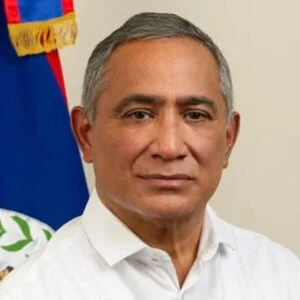
Belize signs agreement with US to share biometric data at ports of entry

Belize Prime Minister John Briceño.

Belize and the United States have launched a new border security initiative aimed at strengthening immigration controls, a move government officials describe as a milestone in bilateral cooperation but which has drawn criticism from Opposition legislators over transparency and data privacy.

The initiative allows officials from Belize’s Ministry of Immigration to work alongside their US counterparts under the Biometric Data Sharing Partnership (BDSP). As part of the agreement, Belize’s ports of entry will receive software and hardware upgrades enabling immigration officers to conduct background checks on visitors by accessing the United States Department of Homeland Security’s identity database, one of the world’s largest biometric law enforcement archives.

Immigration Minister Kareem Musa announced the partnership at a signing ceremony, describing it as a major step in modernising Belize’s border management systems.

“This partnership modernises how we identify people entering our country, supports our immigration officers with advanced tools and training and strengthens national security,” Musa said. He added that the government remains committed to safeguarding national borders while ensuring efficient service for legitimate visitors.

Home Affairs and Enterprise Minister Oscar Mira said the agreement reflects the realities of an increasingly interconnected world, where countries must collaborate to address shared security challenges. “National security, border management and public safety are no longer challenges that any country can face alone,” he said.

Chief Executive Officer in the Ministry of Immigration, Governance and Labour, Tanya Santos, said the new technology will enhance officers’ ability to detect potential risks. She noted that immigration personnel will be better equipped to identify behavioral and travel-pattern red flags, allowing them to refer individuals for secondary screening, during which biometric data would be captured.

Charge d’Affaires at the US Embassy in Belize, Catherine Beamer, said the database being shared is among the largest biometric systems globally and includes information contributed by countries worldwide. She said the United States is sharing the system with partners such as Belize to strengthen collective security efforts.

However, the initiative has sparked concern from the Opposition. Opposition legislator Patrick Faber said his party is questioning the agreement, noting that similar concerns were raised about a previous biometric data-sharing arrangement signed by Prime Minister John Briceño.

“A year ago, we saw the prime minister sign an agreement with the US Government about sharing bio-data information, and up to now, we have not heard any clarification as to what that is,” Faber said at a news conference.

He added that citizens should be concerned if they are not being adequately informed about what personal information is being shared and how it will be used.

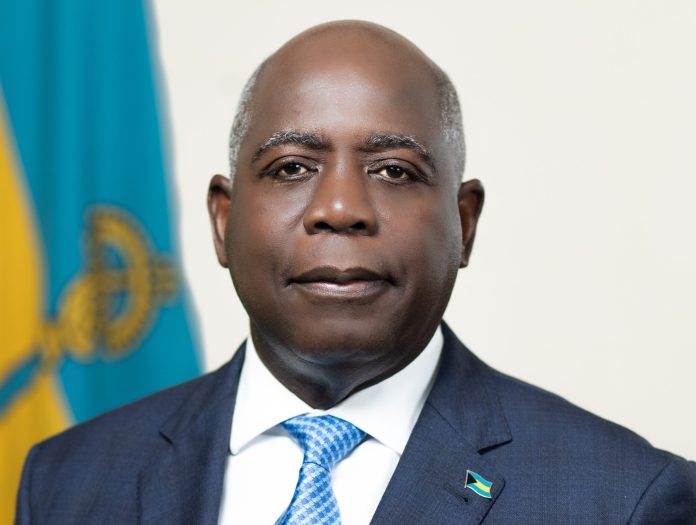
Bahamas PM announces VAT removal on unprepared food to ease cost of living

Bahamas PM

Bahamas Prime Minister Philip Davis on Monday announced additional measures aimed at easing the cost of living and providing direct financial relief to Bahamian families, reaffirming affordability as a top priority of his administration.

Speaking as the country continues its recovery from recent economic crises, the prime minister acknowledged that while progress has been made, many households are still struggling with high prices. He said the government remains focused on taking practical steps to put more money back into the pockets of Bahamians.

Central to the new measures is the removal of Value-Added Tax on unprepared food. Under the announcement, VAT on these items will be reduced to 0%, lowering the cost of everyday groceries and offering immediate relief at checkout for consumers. The change is scheduled to take effect on April 1, 2026.

The announcement builds on a series of affordability-focused initiatives already implemented by the Davis administration. These include lowering the overall VAT rate from 12% to 10%, reducing VAT on essential items, raising the minimum wage, expanding access to free medication through the National Prescription Drug Plan, providing electricity bill relief, and rolling out the National School Breakfast Programme.

According to the Office of the Prime Minister, the measures reflect the administration’s approach to governance—described as steady, responsible, and results-driven—with a focus on improvements that directly impact daily life. The initiatives form part of a broader effort to ensure economic recovery leads to shared progress and greater financial security across all communities.

Prime Minister Davis stressed that the work is ongoing, noting that the government will continue to listen to citizens, respond to their needs, and keep Bahamian families at the center of decision-making. Further details on the newly announced measures are expected to be released by the relevant ministries in the coming weeks.

Conversational AI in e-commerce: What Caribbean brands must know

The Caribbean digital marketplace is not a future anymore, but is current, and it is happening now, from bustling shipping hubs of Kingston to the boutique storefronts in Bridgetown, moving to the online space. But the more local businesses move their inventory online to reach both the diaspora and the local community, they run into a uniquely West Indian challenge. For our customers, it’s all about that personal touch, which includes the line, the chat, and the reassurance that a real person is behind the counter.

When a brand goes digital, that warmth is suddenly lost in an ocean of cold submit buttons and static forms. This is where the strategic adoption of conversational AI for ecommerce serves as a vital bridge. For Caribbean brands, this technology isn’t about replacing the friendly shopkeeper; it’s about scaling that same local hospitality so it can handle a thousand queries at once, across every island and time zone.

If you are a brand in the Caribbean thinking of adopting conversational AI into your ecommerce business fold, here’s what you need to know.

Bridging the Trust Gap with Instant Clarity

In the Caribbean, ecommerce involves a degree of consumer angst. Consumers often wonder what fees might be lurking, how a product might be delivered to a far-flung location, and if a website is truly legitimate. When a question is met with silence or a generic contact us form, that doubt usually leads to an abandoned cart.

Through the use of artificial intelligence to answer questions right away, brands are able to replicate the trust that comes from having a live storefront owner. Many brands today rely on solutions developed by top conversational AI companies to provide these instant responses at scale. Whether it consists of verifying that a courier delivers to a certain parish or clarifying the return policy in a local dialect that makes one feel at home in their local community, an instant answer helps to develop enough trust to push the buy button. Statistics show that companies that answer promptly enjoy a huge increase in consumer satisfaction simply because the wait for the explanation or answer is eliminated.

Navigating the Logistics of the Archipelago

Inter-island delivery is a beautiful, intricate puzzle. A tropical storm in the Windwards or a holiday in Trinidad can upset delivery deadlines in an instant. For a small retail store, keeping customers abreast of so many moving parts would be a tedious task, to say the least.

Smart brands now use AI to manage such localized logistics. Instead of the generic “your item has shipped” email, context-aware updates from the system are possible. It can pull data from local couriers to tell a customer in St. Lucia exactly when their package has cleared customs or when it’s loaded onto the inter-island ferry. This kind of transparency makes a brand feel plugged into reality, rather than some kind of automated machine.

Speaking the Language of a Multilingual Region

The Caribbean is a linguistic tapestry. The customers of a Miami or Barbados-based brand might speak English, Spanish, French, and/or Haitian Creole, and in a single day, no less. And even in islands where English is spoken, the pace and cadences of the local chat differ.

Conversational AI enables the storefront to be a true polyglot. This means that the customer can search in their native language, and the system provides a smooth speech or text-based response that is in the customer’s native language. This is the power of inclusiveness.

For the customer to see the brand communicate in their language means that they are building a community. Tools such as an AI store builder can further support this process by helping businesses create intelligent storefronts that integrate conversational features from the start, making it easier to serve customers across different languages and regions.

Creating a Personalized Shopping Experience

One of the most pleasant aspects of retail in the Caribbean is the recommendation. You not only purchase a bag of flour, but you are also told what new spices have come in. On a typical website, suggested items can come across as impersonal and nonsensical.

With the information collected from conversational interfaces, these recommendations will now become more akin to an ask from a friend. If the site identifies a customer with a penchant for locally sourced cocoa products, the site could actively promote a brand new shipment of nutmeg or vanilla the moment it hits the site. High quality visuals powered by eCommerce AI product photography can further enhance this experience by presenting products in a more appealing and realistic way, helping customers feel more confident in their choices. This is a play off the “I saw this and thought of you” tradition that has long been a staple of the local marketplace and will grow the basket size in the process.

Empowering the Small Island Entrepreneur

Many small businesses in the Caribbean simply cannot afford the price tag of having a call center support team operational 24/7. Being unable to offer this support team deters small businesses in the Caribbean, such as artisans, from expanding their business to other countries.

Technology is the great leveler in this regard. Technology easily enables a soap maker in Dominica or a roaster in the Blue Mountains to offer a level of customer service that a global giant can offer. With the use of automation for such queries as “Where is my order?” or “Do you ship to the UK?”, a small businessman can attend to his business, and the AI will attend to the queries.

Conclusion: A New Chapter for Regional Commerce

The digital age has not diminished the need to be connected; it simply offers a different platform. Caribbean brands that are leveraging the power of the digital age are not straying from their heritage; they are simply discovering a means by which they can plant those same roots in the global soil.

How is your brand currently bridging the gap between your digital store and your local personality? Share your thoughts.


Shockoria Wallace enters global spotlight as first Jamaican athlete to sign with Enhanced Games

Shockoria Wallace

Shockoria Wallace, a 32-year-old Jamaican sprinter, has become the first athlete from the island to sign on with the controversial Enhanced Games, a radical new competition that openly permits the use of performance-enhancing substances.

The announcement was made on Monday by the organizers, marking a significant and symbolic moment for both the athlete and the emerging sports venture, which is scheduled to debut later this year in Las Vegas.

A familiar name in Jamaica’s sprinting circuit

Wallace is no stranger to elite competition in one of the world’s most competitive sprinting landscapes. According to World Athletics, she has been a consistent national finalist from 2021 through 2024, earning recognition across multiple sprint disciplines.

In addition to the 100 meters, Wallace has competed in the 60 meters and the 4×100-meter relay. She posted a season’s best of 7.66 seconds in the 60 meters this year and captured the 100-meter title at the 2022 Velocity Fest Meet at the National Stadium with a winning time of 11.55 seconds.

In announcing her signing, the Enhanced Games described Wallace as a “consistent national finalist (2021–24) in one of the world’s deepest sprinting nations.”

The Enhanced Games: A radical reimagining of elite sport

The Enhanced Games position themselves as both an elite sports competition and a performance-products enterprise, emphasizing athlete autonomy and optimization. The event will allow competitors, should they choose, to use performance-enhancing drugs in pursuit of peak performance across disciplines such as athletics and swimming.

Organizers have promised substantial prize money, particularly for athletes who break records during the competition, signaling an aggressive attempt to redefine the economics and philosophy of elite sport.

Global sports authorities push back

The concept has drawn sharp criticism from traditional governing bodies. World Athletics and World Aquatics have publicly opposed the Enhanced Games, citing concerns over athlete welfare, competitive integrity, and the broader implications for international sport.

In 2025, World Aquatics enacted a bylaw banning individuals who “support, endorse, or participate in sporting events that embrace the use of scientific advancements or other practices that may include prohibited substances and/or prohibited methods” from competing in its sanctioned events.

Joining a growing international field

Wallace joins an expanding roster of international sprinters already committed to the Games, including Taylor Anderson and Marvin Bracy-Williams of the United States, Mike Bryan of Germany, Clarence Munyai of South Africa, and Reece Prescod of the United Kingdom.

As the Enhanced Games draw nearer, Wallace’s decision places her at the center of one of the most consequential debates in modern sport, one that challenges long-standing norms while promising unprecedented rewards.

The psychology behind high-pressure sporting moments

The strange thing about sport is that we complain about stress while voluntarily choosing to create more of it. A close chase in cricket, a penalty in football, a last-lap duel in motorsport – these moments tighten your shoulders, steal your appetite, and make you talk to a screen as if the screen owes you money. Then the match ends, your heartbeat settles, and your mind immediately starts replaying the scene, hunting for meaning in tiny details: the pause before the kick, the bowler’s stare, the coach’s grim sip of water.

So why do we do it? Because pressure is a shortcut to feeling alive, and sport packages that feeling into rules we can understand. There is a scoreboard, a clock, and a story moving forward whether we are ready or not. In a world full of slow problems, sport gives fast certainty: this attempt either works or it doesn’t, and you find out now.

Stress you choose feels different from stress that chooses you

High-pressure sport triggers the body’s alert systems – heart rate climbs, breathing changes, attention narrows. The difference is consent. Bills and deadlines feel endless; a match feels bounded. Your brain can tolerate intensity better when it knows there will be a final whistle, even if it arrives after a long, exhausting over.

Researchers have measured this in real settings. Studies on dedicated football supporters have reported fluctuations in physiological stress markers during matches, and higher stress responses have been linked with emotionally painful outcomes and strong group attachment. The body reacts because the mind treats the event as socially meaningful, not as harmless theatre.

The social chemistry: identity, belonging, and “we” language

Sport is rarely a solo activity, even when you watch alone. You inherit a club from family, a neighborhood, a friend group, a year you cannot forget. That inheritance turns a team into a badge, and the badge turns a match into a test of pride.

Psychologists often talk about group identity in sport because it explains why a result can lift your mood for hours or ruin your evening. It is not only entertainment; it is affiliation. When you say “we played badly,” your brain is doing a quiet trick: it is merging your self-image with a collective story, then reacting to threats and wins as if they happened to you personally.

Why tension is addictive: the brain’s reward timing

The most intense sporting moments are built on uncertainty. When you do not know what will happen, your brain pays closer attention, and anticipation itself becomes rewarding. That is why a tight finish can be more satisfying than a comfortable win: your nervous system stays switched on, scanning for clues.

This is also why highlight culture works so well. People rewatch the moment not to learn the score – they already know the score – but to relive the suspense curve that led to it. The brain likes a dramatic arc: problem, rising pressure, resolution.

The extra layer: prediction culture on a second screen

Prediction is not new. Fans have always argued about outcomes, players, tactics, and luck. What changed in recent years is how frictionless prediction became: a phone is already in your hand, the odds are already moving, and the match is already on your mind.

Many fans keep a second-screen tab open on online betting because the platform experience is designed around live moments rather than post-match summaries. On the MelBet Bangladesh mobile pages, the app is positioned as a match companion: high-definition live streaming sits inside the live section, custom push notifications can flag match occurrences and bonus events, and a biometric lock is presented as an extra security step for the device itself. The same pages spell out sports-focused promos in practical terms, including a 200% matched deposit welcome bonus up to 12,000 BDT with a 100 BDT minimum deposit requirement, plus conditions on timing and wagering, and a weekly 10% cashback offer for mobile wagers that meet stated thresholds for number of events and minimum odds. That level of detail matters because it shows why the second screen is tempting: it feels structured, quantified, and immediate, which fits the psychology of high-pressure sport almost too perfectly.

When “one more moment” becomes “one more risk”

Here’s the honest part: the same features that make sport exciting can make decisions sloppy. Under stress, people overvalue recent events, chase emotional relief, and confuse confidence with evidence. A goal conceded can feel personal, and the mind starts bargaining: one more bet to “fix” the feeling, one more chance to flip the story back.

If you choose to place wagers, treat it as entertainment spending, not as income planning. A hard limit set before kickoff is stronger than any promise you make to yourself after a bad call or a lucky bounce.

A small checklist for staying in control

  • Decide your budget before the match starts, then stop when it’s gone.
  • Avoid wagering when you are angry, embarrassed, or trying to prove a point in a group chat.
  • Take breaks after big swings – wins and losses both distort judgment.
  • If you are not enjoying the match anymore, step away; the score will still exist when you return.

Closing thought

Sport keeps us watching because it compresses human drama into minutes: fear, hope, pride, regret, relief. The pressure is real in the body, even if the stakes are not life and death. That is the deal we make with the screen: we borrow stress for a while, then we hand it back. The trick is remembering you are allowed to put the stress down, even when the moment is screaming for your attention.


Broward School Board member calls for DOGE audit into district’s spending

Adam Cervera

Broward County School Board Member Adam Cervera has called on state officials to conduct “a full scale review” of the district’s finances, following Governor Ron DeSantis’s characterization of the sixth-largest school district in the country as a “disaster” and his suggestion that a state takeover may be necessary.

“We need transparency, we need accountability and we need to have the confidence that this mismanagement will not be ignored or swept under the rug,” Cervera told reporters Tuesday, briefly stepping away from a school board workshop.

On Monday, Gov. DeSantis, who appointed Cervera to the board, criticized the district for being run to benefit “the entrenched interests, particularly the school unions, rather than the parents and the students,” and said the state should consider taking control to correct what he described as budget mismanagement.

Cervera pointed to a series of recent financial missteps that have come to light, including a sudden withdrawal from an office-space lease worth nearly $3 million that resulted in a lawsuit, misallocated teacher referendum funds, and a “botched multimillion-dollar procurement process” intended to select an entity to oversee construction projects.

“This crisis is not the result of bad luck. This is the result of years of mismanagement, wasteful spending, and a complete lack of proper oversight and it has only gotten worse in just the past few months,” Cervera said. “We’ve seen scandal after scandal.”

He urged state officials, including Florida’s Department of Government Efficiency (DOGE) team and the chief financial officer, to review the district’s finances. He also warned district staff involved in wrongdoing:

“If you are doing something wrong, I’m going to call for your ouster… Nobody is safe in this building. We are going to fix this problem now.”

School Board Chair Sarah Leonardi defended the district, saying it is inaccurate to call the district “a disaster.”

“No one here is denying the fact that we’ve had a chaotic history over the last few years,” Leonardi said. “While there are certain operational issues that’ll come up in any large organization, I think we, as Broward schools, have really turned a page.”

Leonardi highlighted that for the second year in a row, Broward schools received an A grade from the Florida Department of Education and reported no D- or F-rated schools.

“I welcome the governor and his team to work collaboratively with us to find those inefficiencies and fix them so that we’re spending taxpayer dollars as best as possible to deliver outcomes for students,” she said.

The district is currently facing a nearly $100 million budget gap due to declining enrollment, with approximately 10,000 fewer students than last year. Broward County Public Schools projects that over the next five years, it could lose more than 25,000 students. To address the shortfall, the board plans to vote on January 21 on proposals to close four elementary, two middle, and one high school, along with potential boundary adjustments in Pembroke Pines, Miramar, Hallandale, and Fort Lauderdale.

The closures are part of the multi-phase plan called “Redefining Our Schools,” which also includes adding new programs, combining schools, and repurposing school sites.

“It’s been 10 years in the making,” Superintendent Howard Hepburn said Tuesday in response to the governor’s comments. “This has not been addressed, unfortunately. We have an opportunity to correct the path for the future for students and for the citizens of Broward County.”

He added, “We are taking disciplined action to ensure financial stability, academic excellence, and accountability.”

Broward Schools graduation rate hits historic high of 91.4%

More Than 125 Colleges, Universities, Technical Schools and Military Branches participating in Broward County College Fair

Broward County Public Schools (BCPS) reached a historic milestone in the 2024–25 school year, with the District’s Federal Graduation Rate climbing to 91.4% in 2025, up from 89% in 2024.

This represents a 2.4 percentage point increase and marks the first time in at least 25 years that the District’s graduation rate has surpassed 90%, according to the Florida Department of Education.

The Federal Graduation Rate includes traditional high schools, centers, and charter schools. Traditional high schools alone achieved a 97.5% graduation rate, up from 96.2% the previous year. All 36 traditional District high schools posted graduation rates of 90% or higher, with 31 schools reaching 95% or more. Seven high schools achieved a perfect 100% graduation rate: Atlantic Technical High School, College Academy at Broward College, Lauderhill 6–12 STEM-MED, McFatter Technical High School, Millennium 6–12 Collegiate Academy, Pompano Beach High School, and Sheridan Technical High School. College Academy at Broward College has now maintained a 100% graduation rate for 14 consecutive years.

The year also saw gains across student groups. The graduation rate for English Language Learners increased 5.3 percentage points to 84.6%, while the rate for Black or African American students rose 3.5 points to 88.9%. Seven high schools recorded significant year-over-year improvements of three percentage points or more: Blanche Ely High School (5.6 points), Coconut Creek High School (4.4 points), Deerfield Beach High School (4.9 points), Hollywood Hills High School (5.1 points), J.P. Taravella High School (3.3 points), McArthur High School (6.2 points), and Plantation High School (5 points).

“We are extremely proud of these historic results,” said BCPS Superintendent Dr. Howard Hepburn. “They are a testament to the hard work happening in all our schools and the strong leadership of our School Board. Our students are rising to the challenge, our educators are giving their all, and our families and community partners are supporting our students every step of the way. This achievement is something all of Broward County can celebrate together.”

Caribbean City presents: TIMELESS, Konshens official birthday celebration

Konshens

South Florida’s party scene is about to ignite yet again as Caribbean City returns with an unforgettable night of music, culture, and island energy. This staging, titled “TIMELESS,” is a special edition of Caribbean City and the celebration of global dancehall superstar Konshens’ official birthday, but as the artist himself teased in his Instagram announcement, “This Saturday! It’s not just about me… It’s about us.”

From 10 PM to 4 AM on Saturday, January 17th, music lovers and Caribbean culture enthusiasts will converge at DAER Nightclub, 1 Lucky Street, Hollywood, Florida, for a high-energy night that promises real vibes and nonstop excitement. DAER Nightclub is located at the Hard Rock Guitar Hotel.

Bringing the soundtrack to this epic night is a lineup of some of the region’s most respected selectors and live acts, including Grammy-nominated producer and DJ Silent Addy, DJ Fergie, Chromatic Live, Ironheart Sound, and DJ Swoll Joel. All ready to deliver a mix of dancehall, soca, reggae, afrobeats, and more to keep the dance floor moving until just before sunrise.

Caribbean City’s mantra “It’s a party, not a place”  perfectly captures the essence of this event: an epic birthday celebration, surrounded by community, rhythm, and the vibrant cultural pulse of the Caribbean diaspora in South Florida.

Since its inception, Caribbean City has become known for throwing some of the most electrifying Caribbean-centric events in the region, drawing crowds from Miami, Fort Lauderdale, and beyond. Nights like its most recent staging, “Sugar and Spice” at the rooftop live in Hollywood on December 20, continue to cement the event as an entertainment powerhouse.

Past events have seen diverse crowds dancing to combined sounds of dancehall, soca, reggae, and afrobeats for hours on end, with DJs rotating sets that keep the energy high well into the early mornings.

Konshens: The man of the moment

Born Garfield Delano Spence on January 11, 1985, in Kingston, Jamaica, Konshens has grown to one of dancehall’s most recognizable faces over the past two decades.

In June 2025, Konshens dropped his latest project, Pool Party, a vibrant album that blends his signature dancehall grooves with fresh, island-infused sounds. He also performed on major platforms, including the BET Experience festivities leading up to the 2025 BET Awards, and fueling the vibes at the 106 & Party stage during Caribbean Heritage Month celebrations.

This weekend, Caribbean City TIMELESS is more than a birthday celebration; it’s a collective joy in the making. Whether you’re a longtime Konshens fan, a lover of Caribbean music, or someone who just thrives on good vibes and good people, this event is poised to be one of the standout nights of January.


Gov. DeSantis criticizes Broward Schools, raises possibility of receivership

Florida Gov. Ron DeSantis
Florida Governor Ron DeSantis.

Florida Gov. Ron DeSantis on Monday strongly criticized Broward County Public Schools, calling the district a “laundry list of failures” and suggesting that state intervention, including potential receivership, may be necessary to address persistent issues.

“Honestly, it’s been a disaster,” DeSantis said during a news conference at Broward College in Davie. “It is really run more to benefit the entrenched interests, particularly the school unions, rather than the parents and the students.”

The governor, visiting to highlight progress in Florida’s property insurance market, shifted focus to the district’s operational struggles. He noted that reform efforts have repeatedly run into obstacles. “But there’s a handful of spots around the state where, you know, maybe thrusting some of these entities into receivership may be the best way going forward. I think you could work things out pretty quickly, but I tell you it’s tough. It’s been really tough. And when people want to reform, you end up having, running into a brick wall. It’s been very difficult,” he said.

Broward schools have seen enrollment drop by around 9,000 students in the last year. The district is working to close a near $100 million budget gap, implementing a hiring freeze, redeploying staff to cover teacher absences, and considering school closures.

School Board Chair Sarah Leonardi defended the district’s current leadership. “I think the governor was referring to the old Broward Schools; I want to talk about the new Broward Schools. We are a back-to-back ‘A’-rated school district by the state’s own metrics. We have no ‘D’ or ‘F’ schools for the first time ever. I would love to invite the governor to walk through schools with me, to see our students thriving, to see our teachers working hard to deliver academic results for our students,” Leonardi said.

Adding to the scrutiny, School Board Member Adam Cervera is scheduled to hold a press conference on Tuesday, January 13, to highlight what he describes as systemic financial and oversight failures within the district. Cervera pointed to controversies, including a $2.6 million off-site lease for staff despite dozens of underutilized campuses, as well as a troubled multimillion-dollar procurement process involving roughly $1.2 billion in projects under the district’s SMART Bond program. He also criticized the misallocation of voter-approved teacher referendum funds, with hundreds of thousands of dollars intended for classroom educators allegedly diverted to high-ranking administrators.

“These problems are not isolated; they reflect a pattern of long-standing financial mismanagement while our District is cutting programs, freezing hiring, and considering closing schools,” Cervera said.

“Our students, parents, and teachers deserve better than this. Taxpayers deserve better than this. Broward families expect transparency and accountability, not waste.”