Home Blog Page 193

Caribbean Airlines donates stationery supplies to children’s homes and NGOs

Caribbean Airlines
Caribbean Airlines’ CEO Garvin Medera (right) hands over stationery supplies along with gift vouchers donated by Charran’s Bookstore to representatives of the St. Jude’s Home for Girls at the airline’s Piarco Head Office.

Caribbean Airlines employees have donated nearly 7,000 stationery items to children’s homes and non-governmental organisations (NGOs) across Trinidad and Tobago, as part of the carrier’s 2025 Stationery Drive.

The annual initiative, which falls under the airline’s Sustainability Programme, aims to support education in vulnerable communities. This year’s effort was further strengthened through contributions from Charran’s Bookstore, which provided gift vouchers, and Pennacool Limited, which added booklets to the drive.

Beneficiaries of the 2025 initiative included The St. Jude’s Home for Girls, The St. Mary’s Children’s Home, The Dotted Line Foundation, Enterprise Community Council, Hampers Inc Ltd, Probation Hostel in Tobago, Ripple Effect Promotions in Tobago, and the Lambeau Community Residence for Children in Tobago. Supplies were also shipped to Jamaica, Barbados, and Guyana for distribution.

Applauding the generosity of staff, Caribbean Airlines CEO Garvin Medera said:
“I thank our employees who continue to give generously to our annual stationery drive. Education is one of the pillars of Caribbean Airlines Sustainability program. Each contribution makes it possible for children and youths in vulnerable communities to receive the supplies they need to support their education.”

The airline’s Sustainability Programme is built on three main pillars: Education, Wellness, and Community.

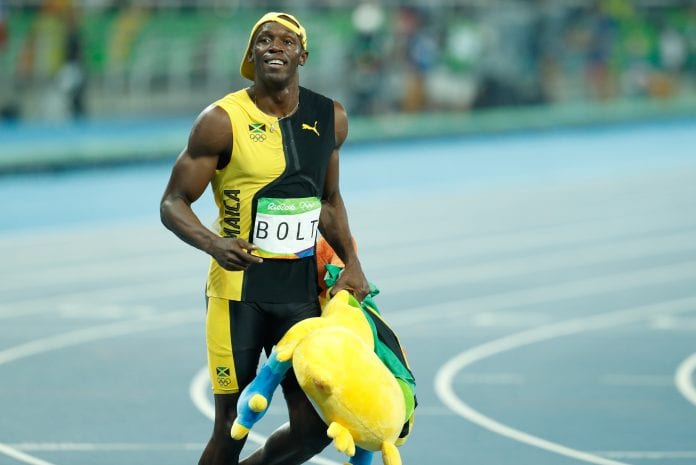
Usain Bolt named ‘Ultimate Legend’ for inaugural World Athletics Ultimate Championship

Usain Bolt
(Fernando Frazão/Agência Brasil)

Jamaican sprint icon Usain Bolt has been announced as the “Ultimate Legend” for the first edition of the World Athletics Ultimate Championship, set to take place in Budapest from September 11-13, 2026.

The new season-ending event is designed to bring together the world’s top-ranked track and field athletes in head-to-head clashes to determine the “Ultimate Champion.” It comes as the sport continues to push for innovation, much like Bolt’s own career, which saw him break multiple world records, win 19 senior global titles, and deliver countless unforgettable moments on the track.

In his new role, Bolt will partner with World Athletics to promote the event globally. His appointment follows last month’s announcement of pole vault world record-holder Mondo Duplantis as the inaugural “Ultimate Star.” It is the first time Bolt has taken on such a position within athletics.

“The idea behind the World Athletics Ultimate Championship is brilliant: the absolute best of the best facing off against each other – all the major global stars, big money, even bigger personalities, no excuses – to see who gets bragging rights as the Ultimate Champion. Let’s just say I would have loved to be competing in this box-office championship,” Bolt said.

“I’m honoured to take on the role of Ultimate Legend to help spread the word, as athletics remains a huge part of my life. I saw our sport go through many changes during my time on the track and it’s important that athletics continues to innovate. This new global championship will help to showcase and grow track and field and its incredible stars.”

World Athletics President Sebastian Coe said the title was fitting for one of the sport’s most enduring figures.
“The title of Ultimate Legend is fitting for one of the true icons of our sport. Usain transcends athletics. He continues to elevate the profile of the sport and inspire athletes around the globe, proving what is possible – on and off the field of play. As we look forward – developing new ways to showcase the sport and discovering new stars – it is important to also look back and recognise the trailblazers who have paved the way and captured the imaginations of generations of athletics fans.”

Hungary’s Secretary of State for Sports Dr. Ádám Schmidt added that hosting the championship would be significant for the country.
“Similar to other major international sporting events in Hungary, one of our main goals with hosting the Ultimate Championship is to ensure that by watching the fantastic competitions of the very best athletes live, as many of our compatriots as possible can gain experiences that will inspire them to commit to regular sports themselves.

“It is a great pleasure and honour for us that the best of the best will visit us, not only on the track, but also beyond it. Usain Bolt is a special figure of the athletics family who can inspire young people all over the world. I am confident that with his help, the Ultimate Championship will be just as successful and popular as the 2023 World Championships in Budapest were.”

The competition will feature Olympic and world champions going up against Wanda Diamond League winners and other top performers across three days of action at the National Athletics Centre. Twenty-six athletes have already qualified as reigning individual Olympic champions, with more to secure spots at the upcoming World Athletics Championships Tokyo 25 – an event Bolt will attend as a guest of World Athletics.

During the Tokyo meet, which runs from September 13-21, Bolt is expected to attend select evening sessions at the Japan National Stadium and make a special appearance as part of his role in promoting the Budapest championship.

The Ultimate Championship will serve as the sport’s major season finale every year, ensuring a global championship that carries weight for athletes, fans, broadcasters, and media. It will also stand as the next flagship outdoor track and field event following the World Athletics Championships Tokyo 25.

Reggae and dancehall music: The unstoppable soundtrack of Jamaican party politics

A few years ago, I wrote a story about how political parties in Jamaica utilize reggae and dancehall music to drive political campaigns to win elections. After doing a presentation about the phenomenon on a radio program a few weeks ago, I decided to reprise parts of the story here.

From Jamaica’s fiery campaigns of the 1970s to the 2025 general election, dancehall and reggae songs have powered rallies and sometimes even changed history. The PNP under Michael Manley elevated this technique throughout the 1970s, delivering a slew of election related hit songs.

One big tune that helped to redefine party leader Michael Manley’s campaign was Neville Martin’s song titled “The Message,” sometimes called, “My Leader Born Yah.” The song celebrated Manley’s political accomplishments and birth in Jamaica while condemning Edward Seaga’s birth in the USA. The song’s potent lyrics,’ My father born ya. My grandmother born ya. I and I born ya. My leader born ya. That’s why I nah leave ya,’ remains one of the most popular political songs ever recorded. Delroy Wilson’s ‘Better Must Come,’ struck a familiar chord among PNP followers as well. It too became an anthem during Manley’s rise in the 1970s. Years later Shaggy’s “Strength of a Woman” was successfully used to get female voters out. The song which was associated with Portia Simpson Miller’s campaign, symbolized female empowerment.

The JLP powered their campaign, enlisting the support of popular artists and songs to bring momentum and relevance to election campaigns as well. In 2016, the Andrew Holness led administration made political inroads utilizing Alkaline’s “Champion Boy.” The song, which was not created as a political song by Alkaline, was used nevertheless by the JLP as a campaign anthem and helped to energize party supporters and won over some young voters.

In 2018, an entertaining and memorable moment happened in political history at Famous Night Club in Portmore at a ‘sound clash’ between political rivals Daryl Vaz of the JLP and Damion Crawford of the PNP. During the clash, Crawford playfully ‘dun’ Vaz with a series of custom dubplates that went viral. A dubplate by then incarcerated DJ Vybz Kartel’s “Mih nuh se’ JLP, mih nuh se’ PNP, mih se’ Selassie I till mi see end” earned raved reviews and was a highlight of the clash.

By 2020, Jamaican politics had started to tap into the growing popularity of social media reimaging sound system dubplate by popular recording artists. Customized songs from dancehall recorders like Spice, Beenie Man and Shenseea helped both parties mobilize voters, particularly at political rallies held across the island.

For the recently concluded 2025 elections, both major parties once again leaned heavily on the power of dancehall music. The ruling JLP’s engaged dancehall star Mr. Vegas, Valiant, Masicka, Shenseea, and Skillibeng, while the PNP was supported by Beenie Man, Buju Banton, Vybz Kartel and Spice which ensured that their campaigns had popular soundtracks at political rallies.

The PNP campaign song that was used to power their 2025 campaign was a re-recording of the classic reggae anthem, “Blood and Fire”. The updated version of the song was widely circulated on social media at home and here in the diaspora and was a party anthem at meetings and rallies. The lyrics were a rallying cry against corruption. The popularity of the song was evident in one viral video that featured supporters of both political parties dancing to the song in Jamaica. A friend later told me some JLP supporters went further saying the song was so infectious, ‘it lived rent free in their heads.’

Reggae and dancehall’s influence on politics is no longer confined to Jamaica. In 2018, a dubplate of Nadine Sutherland’s hit “Action” was repurposed during the U.S. midterm elections to drum up Caribbean-American support for then-vice-presidential candidate Kamala Harris, whose father is Jamaican. It was one of the clearest examples of Jamaican cultural capital being imported into U.S. politics.

While some dancehall and reggae acts volunteer their songs and image to political campaigns, not every song that is used in politics is endorsed by the artists themselves. Years ago dancehall group T.O.K. objected to the use of their song “Chi Chi Man” being used without permission given it was labeled homophobic by LGBT advocates. At a political conference in Clarendon in May this year, Member of Parliament Daryl Vaz was seen in a viral video requesting the playing of the controversial “Chi Chi Man” song. The incident garnered some public condemnation.

Now that the 2025 General election is behind us, it remains clear that in Jamaica, the ‘get out the vote campaign’ engaged by both political parties will always have a dancehall or reggae soundtrack powered by a custom dubplate.

Caribbean Airlines pilot rescued in Maraval kidnapping operation

Caribbean Airlines pilot

PORT OF SPAIN, Trinidad — A Caribbean Airlines (CAL) pilot kidnapped last Wednesday was rescued alive on Sunday following a police operation in Maraval, on the outskirts of the capital.

Daniel Kawall, 59, was taken to a hospital for treatment, authorities confirmed. Details of the rescue operation have not been fully disclosed, but police said it was led by the Anti-Kidnapping Unit (AKU) with critical support from the Coastal and Riverine Unit and other tactical teams.

During the operation, one suspect was killed, while two others were arrested after allegedly using Kawall’s bank card to withdraw cash from an ATM early Sunday.

Kawall, a resident of Valsayn North who operates a business in Piarco, was last seen on Wednesday. His Toyota Hilux was reportedly spotted in Cascade that night, where residents said they heard screams coming from the vehicle.

On Friday, kidnappers reportedly demanded a ransom of TT$1 million, triggering an intensive manhunt that culminated in his rescue.

Armed bystander stops Dania Beach 7-Eleven robbers, leaves one dead

FDLE and BSO investigate deputy-involved shooting in Pompano Beach

An armed bystander is in custody after a dramatic confrontation with two robbers outside a 7-Eleven in Dania Beach Saturday evening left one suspect dead and another hospitalized, authorities said.

Cellphone footage captured multiple gunshots ringing out near the store at 667 Stirling Road just before 7 p.m. Broward Sheriff’s Office deputies said the bystander intervened after witnessing two masked men holding up the cashier.

As the suspects fled, one carrying the cash register, the bystander fired at them, striking one suspect who fell to the ground. The second suspect then jumped into an SUV and attempted to run over the bystander. In fear for his life, the bystander fired multiple shots through the vehicle’s windshield, hitting the driver.

The suspect’s SUV was later located a few blocks away on the 100 block of Phippen Waiters Road. He was taken to a hospital where he was pronounced dead. The surviving suspect was also transported to a nearby hospital for treatment.

Witnesses at the scene were split over the bystander’s actions. Some supported the intervention, with one telling 7News, “Yeah, he ain’t wrong. I seen it, I seen it.” Others expressed concern about escalating violence, noting that the area is typically calm.

As of Sunday night, authorities had not provided updates on the condition of the surviving suspect or the status of the detained bystander. The investigation remains ongoing.

Haitian-America Florida Rep. Sheila Cherfilus-McCormick sues challenger

Sheila Cherfilus-McCormick

Broward-Palm Beach Haitian-American Congresswoman Sheila Cherfilus-McCormick has taken legal action against her 26-year-old primary challenger, Elijah Manley, filing a $1 million defamation lawsuit over statements and videos he posted online.

The lawsuit, filed last Wednesday in Broward County Circuit Court, claims Manley’s Instagram videos and public statements falsely suggested Cherfilus-McCormick engaged in misconduct. According to the complaint, the posts and videos constitute “a pattern of making false and defamatory statements,” causing reputational harm and emotional distress to the congresswoman.

Cherfilus-McCormick, 46, alleges Manley “stalked and cyberbullied” her on social media and seeks a court order to prevent further attacks, in addition to monetary damages. Among the posts cited in the lawsuit are statements where Manley said, “You can’t fight corruption with more corruption — or with representatives who are themselves under investigation for serious ethical violations,” which Cherfilus-McCormick claims refers to her.

The complaint also cites a letter to the editor Manley published in the South Florida Sun Sentinel, which she claims defamed her by alleging she steered taxpayer dollars to a for-profit company supporting her campaign, in violation of House rules and federal law.

Manley’s campaign dismissed the lawsuit as “frivolous” and accused Cherfilus-McCormick of attempting to distract voters from a “serious corruption investigation against her.” Within hours of the filing, Manley’s team used the lawsuit to rally supporters with a fundraising appeal, with Manley saying, “While this isn’t what I expected to have to deal with when I woke up, my team and I are proud to have hit a nerve.”

The legal battle comes as Cherfilus-McCormick and Manley compete for the Democratic nomination in Florida’s 20th Congressional District, one of the most Democratic-leaning districts in the state. The Cook Political Report rates the district as D+22, making the winner of the August 2026 primary highly likely to prevail in the November general election.

The case is the latest example of elected officials using defamation lawsuits to address political disputes outside the traditional court of public opinion, a trend that lawyers say is becoming more common in contentious races.

North Miami Beach officer shoots man in apparent hoax stabbing call

North Miami Beach police

A 21-year-old man was hospitalized after a North Miami Beach police officer opened fire during what investigators say began as a hoax stabbing call.

Authorities responded around 9:40 a.m. Saturday to a report of a male stabbing victim on the 1600 block of 164th Street. Upon arrival, officers found no victim, but encountered the man, later identified as Roosevelt Joseph, wielding a knife.

Police Chief Juan Pinillos said officers gave multiple verbal commands for Joseph to drop the weapon before the encounter escalated and officers opened fire, striking him.

“It appears the call was bogus, possibly placed by the suspect,” Pinillos said. “He looked like he wanted the encounter with the police officers.”

Radio dispatch recordings indicate Joseph may have admitted to fabricating the call. “There’s no one stabbed. He lied and contacted the police. He tried to stab,” an officer said over the radio.

Family members told Local 10 News that Joseph struggles with mental health issues. His father said he has not been able to see his son since he was admitted and underwent surgery. Joseph was listed in stable condition as of Sunday morning.

The incident is under investigation by the Florida Department of Law Enforcement, as is standard protocol. Investigators noted that Joseph could face charges, though no formal identification or charges have been released.

“This is still fresh. We’re still trying to piece everything together. It could have been a suicide by cop or someone in a mental crisis seeking a different alternative,” Pinillos said.

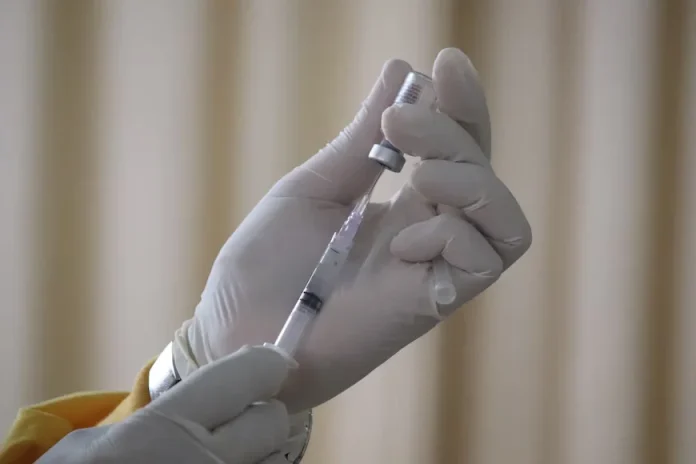
Florida vaccine mandate rollback won’t take effect for 90 days

Caribbean Mothers to Receive Access to Respiratory Syncytial Virus Vaccine

Florida’s plan to lift mandates on certain school vaccines likely won’t take effect for about 90 days and would initially cover only a few illnesses, the state health department said Sunday.

The vaccines affected include chickenpox, hepatitis B, Hib influenza, and pneumococcal diseases such as meningitis. Other required vaccinations, including measles, polio, diphtheria, pertussis, mumps, and tetanus, remain in place unless lawmakers pass additional legislation.

The department issued its guidance in response to a request for details, four days after Florida Surgeon General Dr. Joseph Ladapo announced that the state would become the first in the U.S. to allow families to decide whether to vaccinate their children. Speaking on CNN, Ladapo emphasized parental choice. “If you want them, God bless, you can have as many as you want. And if you don’t want them, parents should have the ability and the power to decide what goes into their children’s bodies. It’s that simple,” he said.

The department confirmed that the rule change was initiated on September 3, 2025, and will take roughly 90 days to go into effect. Florida public schools began the 2025–26 academic year in August. Lawmakers are not scheduled to reconvene until January 2026, although committee meetings will begin in October, leaving the possibility for additional updates or expansions to the mandates.

Health experts warn that the timing of Florida’s plan is concerning given a surge in vaccine-preventable illnesses in the U.S. This year has seen the worst measles outbreak in more than three decades, with over 1,400 confirmed cases nationwide, mostly in Texas, and three reported deaths. Whooping cough has also spread rapidly, killing at least two infants in Louisiana and a five-year-old in Washington state since winter. Preliminary CDC data show more than 19,000 cases of whooping cough as of August 23—nearly 2,000 more than the same period last year.

Florida already allows a religious exemption for vaccines, a policy that remains in place. Vaccinations are credited with saving at least 154 million lives globally over the past 50 years, according to the World Health Organization, with most of the lives saved being infants and children.

The debate over Florida’s vaccine plan underscores the tension between parental choice and public health, particularly as outbreaks of measles and whooping cough continue to rise across the U.S.

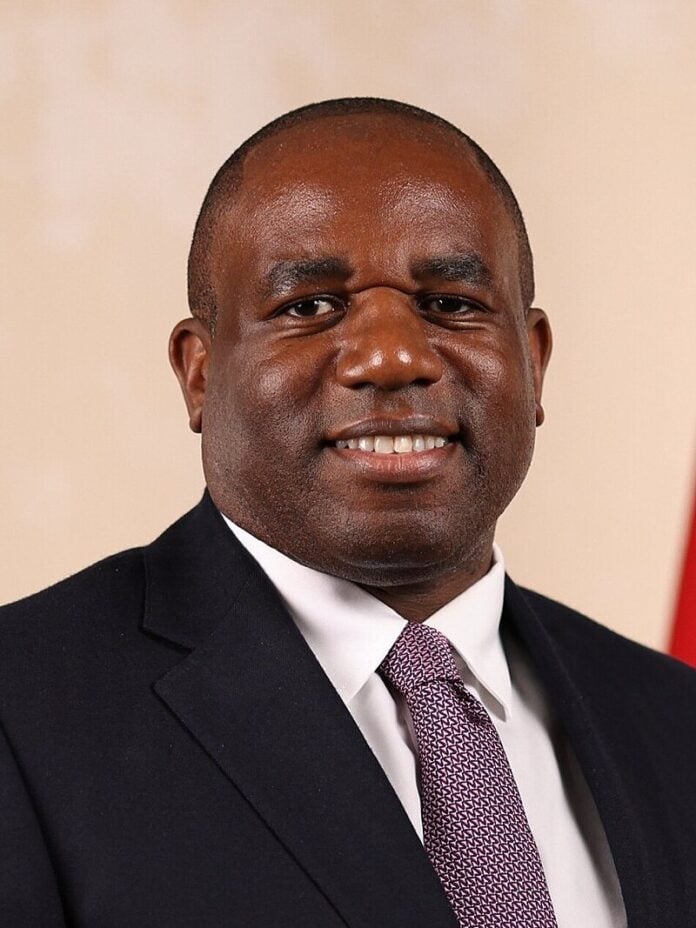
David Lammy, son of Guyanese immigrants, is Britain’s first Black Deputy Prime Minister

David Lammy

David Lammy, the son of Guyanese immigrants who built their lives in Britain, has made history as the United Kingdom’s first Black Deputy Prime Minister and Justice Secretary.

His appointment follows the resignation of Angela Rayner amid a tax scandal, marking a significant political shift and a momentous achievement for Caribbean representation in global politics.

Rayner stepped down Friday after breaching the ministerial code over underpaid taxes on her flat, triggering a cabinet reshuffle that elevated Lammy, previously Foreign Secretary, to the second-highest post in British government.

Lammy takes pride in his Guyanese roots. Born in 1972 into a working-class family in Tottenham, he was raised by his mother alongside four siblings after his father, a taxidermist, left when Lammy was 12. Reflecting on his father’s path, Lammy noted that financial constraints, bureaucracy, and discrimination had forced him to abandon his ambition of becoming a veterinarian. His mother, meanwhile, worked tirelessly, often juggling three jobs as a home aide, care assistant, and Tupperware salesperson, to provide for the family.

Lammy’s heritage reflects Guyana’s multiethnic identity, with roots in both the African and Indian diasporas. He has long embraced his dual identity, advocating for Caribbean immigrants in Britain and playing a key role during the Windrush scandal that targeted legal Caribbean residents.

A choral scholarship at age 10 opened the door to The King’s School in Peterborough, and he later studied law at SOAS University of London. In 1997, he became the first Black Briton admitted to Harvard Law School, earning a Master of Laws. His historic academic achievement drew attention in both Britain and the Caribbean.

Lammy entered Parliament in 2000, winning the Tottenham by-election following the death of veteran MP Bernie Grant, another trailblazer of Caribbean descent. Over the years, he held various portfolios under Labour governments, from public health to higher education, before ascending to Shadow Foreign Minister and then Foreign Secretary in 2024.

Commentators in Guyana and across the Caribbean have hailed Lammy’s appointment as a “Diaspora victory,” highlighting the growing influence of Caribbean leadership on the global stage. Lammy himself frames his leadership as both a symbol of representation and a platform to reform systems that historically excluded people like his parents.


JLP criticizes PNP over claims of vote buying and voter suppression

Kamina Johnson Smith, Jamaica Labour Party (JLP) spokesperson, has pushed back against a statement from the People’s National Party (PNP) raising concerns about alleged vote buying, voter suppression, long delays at polling stations, and other irregularities during Wednesday’s general elections.

In a statement released Saturday, Johnson Smith described the PNP’s claims as “highly disappointed” and said they reflect that “the Mark Golding-led party has not learned the lesson taught to it by the people on Thursday: that arrogance and manufactured narratives will not be welcomed by most Jamaicans.”

The PNP had earlier expressed concern that some voters reportedly in line before 5:00 p.m. were unable to cast ballots, which they said undermined Jamaicans’ fundamental right to elect their representatives freely.

Johnson Smith cited preliminary assessments from the Organization of American States (OAS) and the Caribbean Community (CARICOM), which commended Jamaica’s electoral process.

“Jamaica’s electoral processes and its tradition of peaceful power transition continue to be models for both developed and developing countries and should remain a source of pride, even though we note there is still room for improvement. We should also remain vigilant against activities that could put our democracy in danger,” she said.

The spokesperson added that the JLP is reviewing feedback from its candidates regarding the PNP’s allegations of improper conduct and reminded the opposition that “they should love their country while in government, or pretend to love when they are competing for the people’s votes, as we are such a proud people that everyone who chooses Jamaica will always see through this conduct.”

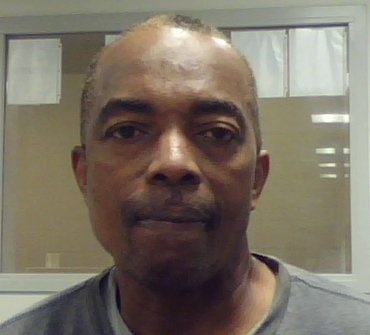
Palm Beach manhunt: Jamaican woman wanted by FBI in $34M COVID relief scam

Elaine Angene Escoe

The FBI is searching for Elaine Angene Escoe, 40, a Jamaican national wanted for her alleged role in a $34 million COVID-19 relief fraud scheme.

Escoe, who uses the aliases “Annie” and “Annie Palmer,” was last seen in Palm Beach County, Florida, on June 3, 2025. She failed to appear in federal court on June 5 following a May 22 arrest warrant issued by the U.S. District Court for the Southern District of Florida.

In the Jamaican context, “Annie Palmer” is often associated with the notorious “Annie Palmer” figure from folklore and popular culture, sometimes linked to criminal or strongwoman archetypes in storytelling.

Authorities allege Escoe and others submitted more than 90 fraudulent applications for federal funds from the Paycheck Protection Program (PPP), Economic Injury Disaster Loans (EIDL), the Restaurant Revitalization Fund (RRF), and the Shuttered Venue Operators Grant (SVOG) between May 2020 and November 2021. The scheme resulted in the wrongful disbursement of approximately $29.1 million in PPP funds, $1.2 million in RRF funds, and $3.8 million in SVOG funds.

After receiving the funds, Escoe and co-conspirators allegedly routed payments among themselves and to businesses they controlled, withdrew large sums in cash, and used blank, signed checks to conceal the origin of the money.

Escoe faces multiple charges, including conspiracy to commit wire fraud, conspiracy to commit money laundering, wire fraud, concealment of money laundering, and transactional money laundering.

The FBI cautions that Escoe should be considered a flight risk. She is described as 5’4”, 140 pounds, with black hair, brown eyes, and tattoos on her left wrist, abdomen, back, and right shoulder. She has ties to Southern Florida and Jamaica.

Anyone with information on her whereabouts is urged to contact the FBI at 1-800-CALL-FBI.

Jamaican woman sentenced in Boston for illegal reentry

sentenced to over 18 years in US prison

A Jamaican woman has been sentenced in federal court for illegally reentering the United States after being deported twice.

Tanya James, 53, was sentenced yesterday by U.S. District Court Judge Margaret R. Guzman to six months in prison. She will now face deportation proceedings. James had pleaded guilty in July to one count of unlawful reentry of a deported alien, after being indicted by a federal grand jury the previous month.

Court records show James was first deported to Jamaica in 2004 after a 2003 conviction for possession of cocaine base with intent to distribute and distribution of cocaine base. She was again deported in 2012 following a second removal order.

Despite the orders, James returned to the U.S. and was arrested in March 2024 for motor vehicle offenses. Immigration officials later took her into custody on May 12, 2025, after confirming she had reentered the country without permission.

The case was prosecuted by Assistant U.S. Attorney Kristen Noto of the Worcester Branch Office. The announcement was made by U.S. Attorney Leah B. Foley and Patricia H. Hyde, Acting Field Office Director of ICE Enforcement and Removal Operations in Boston.

ICE deports Jamaican fugitive wanted for child rape

U.S. Immigration and Customs Enforcement (ICE) has deported a Jamaican national wanted for child rape, handing him over to authorities in Kingston.

ICE Enforcement and Removal Operations (ERO) Boston said its officers removed 59-year-old Albert George Davis from the United States on August 21. Davis had been living illegally in Stamford, Connecticut, after fleeing Jamaica, where he was wanted on a 2020 warrant for rape and sexual intercourse with a person under 16 years of age.

“Albert George Davis fled to Connecticut in an apparent attempt to avoid prosecution for the disturbing victimization of a child in Jamaica,” said ERO Boston Deputy Field Office Director David Wesling. “He had been hiding out in our community for five years, but now he will be forced to face justice in his native country.”

Davis originally entered the U.S. legally on June 14, 2020, through New York City on a nonimmigrant visa. But weeks later, Jamaica’s Saint Andrew Parish Court issued a warrant for his arrest, and the U.S. State Department revoked his visa.

ICE’s Hartford field office arrested Davis in May 2024, placing him in removal proceedings. On March 4, 2025, a Justice Department immigration judge ordered his deportation.

Davis was turned over to Jamaican authorities upon arrival.

CARICOM Secretary-General hails Africa Summit as ‘homecoming’

CARICOM SG, Dr Carla Barnett, delivering remarks at the opening of the Second CARICOM-Africa Summit, 7 September 2025, Addis Abada, Ethiopia

CARICOM Secretary-General Dr. Carla Barnett described the Second CARICOM-Africa Summit as a “homecoming” and a “tangible manifestation” of the regions’ shared commitment to bridging historical divides and reaffirming familial bonds.

Speaking at the African Union (AU) Headquarters in Addis Ababa on Sunday, Dr. Barnett said the gathering symbolized unity between Africa and its diaspora.

“I am moved by its significance as leaders from the African continent and the African diaspora, the Sixth Region of the African Union, assemble to build on the foundation of our shared history and the fraternal bonds forged by our forebears,” she told the opening ceremony.

The Secretary-General highlighted the enduring connection between Africa and the Caribbean, despite centuries of separation through slavery, colonialism, and global economic structures. She emphasized that both regions are linked by “an enduring spirit and a shared heritage,” rooted in struggles for freedom and self-determination.

Dr. Barnett pointed to progress since the first CARICOM-Africa Summit in 2021, including the launch of the Health Development Partnership for Africa and the Caribbean (HeDPAC), deeper collaboration with Afreximbank—now with a Caribbean headquarters in Barbados—and the AfriCaribbean Trade and Investment Forum (ACTIF), hosted in four CARICOM Member States since 2022.

“These initiatives address priority areas for both CARICOM and Africa, and this cooperation will contribute positively to sustainable development and facilitate better livelihoods for our people,” she said.

Looking ahead, she stressed the importance of joint advocacy on international financial reform, climate change, and transportation connectivity. She cited the Bridgetown Initiative as a framework for reform and called attention to a proposed multilateral air services agreement, while welcoming bilateral progress such as the Antigua and Barbuda–Nigeria joint venture for LIAT 2020.

On climate change, Dr. Barnett noted that Africa and the Caribbean contribute only about six percent of global emissions but are disproportionately affected by its impacts.

The Secretary-General also underscored the urgency of advancing reparatory justice, in line with the Summit’s theme: “A Transcontinental Partnership in Pursuit of Reparatory Justice for Africans and People of African Descent through Reparations.”

“The injustice of colonial rule and the Transatlantic Slave Trade… traumatised and disadvantaged millions on both sides of the Atlantic Ocean,” she said, expressing confidence that the Declaration emerging from the Summit would send a decisive message of cooperation and determination.

Framing the Summit as a continuation of Pan-African ideals advanced by leaders such as Marcus Garvey, Patrice Lumumba, and Kwame Nkrumah, Dr. Barnett said its outcomes would mark “an historic moment contributing to the continued deepening of CARICOM-Africa relations.”

Guyanese entertainer Lola Doll shot multiple times outside Georgetown home

Lola Doll

Hours after Guyanese social media star and artiste Lolita Callendar, popularly known as “Lola Doll,” was shot multiple times outside her Georgetown home, police issued a wanted bulletin for Paul Daby Junior, also known as Randell.

Daby Jr., whose last known address is Lot 127 ‘D’ Aguair Park, Georgetown, was one of four Guyanese sanctioned by the U.S. Department of the Treasury’s Office of Foreign Assets Control (OFAC) in June for alleged drug trafficking.

Police also confirmed the arrest of another individual in connection with the late-night shooting.

The 33-year-old entertainer was attacked on Saturday night while sitting in her car at Texas Square, East Ruimveldt. According to initial reports, a man on a motorcycle opened fire, hitting her in the neck, face, hands, and right leg.

She was rushed to hospital, where doctors listed her condition as stable.

Lola Doll, known for her provocative songs, flamboyant parties, and outspoken social media presence, has built a large following in Guyana’s entertainment scene. Police have not yet disclosed a motive for the shooting.

BVI Governor demands action, not words, from upcoming anti-crime summit

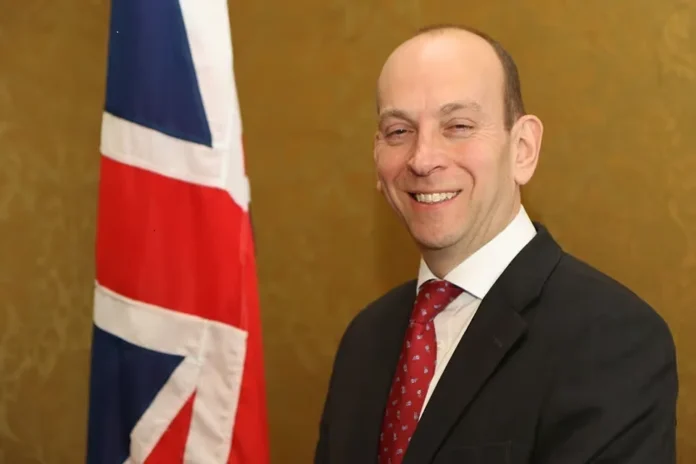
British Virgin Islands Governor Daniel Pruce
Daniel Pruce.

British Virgin Islands Governor Daniel Pruce has warned that the territory’s upcoming anti-crime summit must deliver “real and practical change,” stressing that the event cannot be limited to speeches without follow-up.

The Anti-Crime Summit is scheduled to take place in the territory from September 24-26, 2025.

Speaking at Government House, Pruce said the gathering presents an opportunity to unite government, law enforcement, community groups, and residents in the fight against rising crime.

“The summit has got to have real substance, it’s got to have real meaning, it can’t just be a meeting with no follow-up,” he said.

Preparations for the summit are being overseen by the National Security Council, which now meets weekly. Pruce said the goal is to enter the summit with concrete commitments and strategies that can be implemented.

“[We need to] arrive at the summit already with a good set of commitments, declarations, statements of intent in terms of what we are going to do by way of follow-up to translate the ambition of the summit into real and practical change,” he added.

Gun crime remains a top concern. While recent police seizures of illegal weapons were welcomed, the governor said they only address part of the problem.

“Gun crime is a good illustration of an area where a number of interventions can help reduce the prevalence of guns and their use and possession in the territory,” he said, pointing to possible measures such as reviewing legislation, strengthening police training, tightening border controls, and addressing social attitudes toward firearms.

Pruce stressed that enforcement alone cannot resolve the issue. “The challenges that we face in the Virgin Islands are not challenges that we can solve by arresting and imprisoning people. We need a whole of government, whole of community effort,” he said.

He also linked the crime fight to broader reforms, noting that recommendations from a recent Law Enforcement Review provide a 10-year roadmap for improving policing, prisons, and the justice system. Work is already underway on initiatives such as upgrading the 911 control centre and enhancing prison security.

With public concern growing after a series of violent incidents in recent years, the governor insisted the summit’s success will be judged by its aftermath.

“We need to have a very solid plan of work moving forward beyond the end of September,” he urged.

FAA extends ban on US flights to Port-au-Prince until March 2026

Haiti Airport
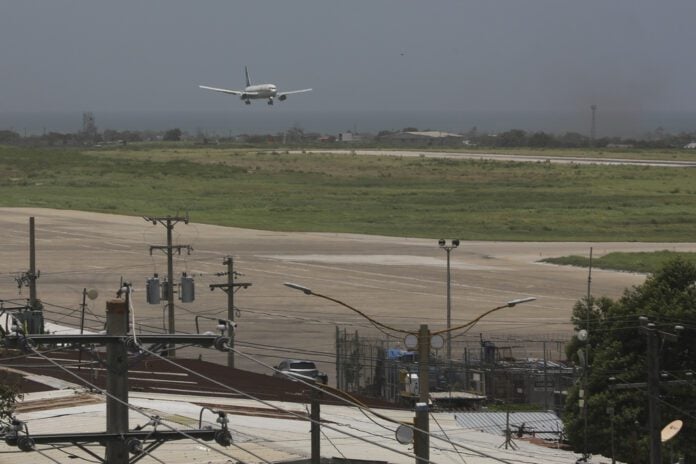
A plane prepares to land as it arrives at the Toussaint Louverture International Airport in Port-au-Prince, Haiti, Monday, May 20, 2024. Haiti's main international airport reopened Monday for the first time in nearly three months after gang violence forced authorities to close it in early March. (AP Photo/Odelyn Joseph)

The Federal Aviation Administration (FAA) announced Friday that it is extending restrictions banning flights from the United States to Port-au-Prince until March 7, 2026, citing threats posed by armed groups to civil aviation in the Haitian capital.

The move keeps Haiti’s main city cut off from U.S. carriers for another year, forcing travelers to rely on costly detours through regional airports or neighboring countries.

The FAA first imposed the ban in November 2024 after gunfire struck three U.S. planes attempting to land in Port-au-Prince. While flights later resumed to Cap-Haïtien and five other Haitian airports, the capital has remained off-limits. Authorities say armed groups now control nearly 90 percent of Port-au-Prince and surrounding roads, making conditions too dangerous for commercial carriers.

Since the ban, major U.S. airlines including American, Spirit and JetBlue have suspended flights indefinitely. The restrictions leave Cap-Haïtien Hugo Chávez International Airport and Antoine Simon Les Cayes International Airport as the only direct commercial gateways from the United States, operated by Sunrise Airways and smaller carriers. However, these routes cannot replace the passenger volume normally handled by Toussaint Louverture International Airport, the country’s busiest hub serving millions for business, family travel, and medical purposes.

Diplomatic efforts to reopen the capital’s airport have made little progress. Earlier this year, U.S. Ambassador to Haiti Dennis Hankins met with Reginald Guignard, director of the National Civil Aviation Office, to discuss securing the perimeter. For now, the airport remains open only to military and diplomatic flights, including those tied to the Kenyan-led multinational mission preparing to deploy against Haitian armed groups.

The FAA said it will continue to monitor security conditions before reconsidering the ban. Until then, Haitians seeking to travel abroad must pass through Cap-Haïtien, the Dominican Republic, or the Bahamas—an additional financial and logistical burden as the country faces a deepening crisis.

US air power on display as President Ali begins second term in Guyana

Guyana President Irfaan Ali
President Irfaan Ali

United States aircraft conducted a low pass flyover of Georgetown on Sunday as President Irfaan Ali was sworn into office for a second consecutive five-year term.

In a brief statement, the US Embassy in Georgetown said the flyover was carried out in collaboration with the Guyana Defence Force (GDF) and “reflects the strength of U.S. air power, our partnership with Guyana, and our continued support for Guyana’s sovereignty and territorial integrity.”

Washington also noted that it looks “forward to continuing to work with the government of Guyana to further strengthen the bilateral ties between our two countries. Our commitment to Guyana’s continued growth and development remains strong and unwavering. We commend the Organization of American States (OAS) and other international observers for their impartial monitoring and thorough analysis, which have been instrumental in promoting transparency and accountability in this election.”

The show of US support comes amid heightened regional tensions. In recent days, Washington has increased its military presence near Venezuela, saying the move is part of its crackdown on narco-trafficking. Guyana and Venezuela remain locked in a long-standing border dispute over the Essequibo region, which is administered by Guyana but claimed by Caracas.

Venezuela argues that the 1899 Arbitral Award, which established the boundary, is void. In March 2024, its government passed a law designating Essequibo as a new state governed from the city of Tumeremo.

Talks between President Ali and Venezuela’s President Nicolás Maduro in St. Vincent last December produced the Joint Declaration of Argyle for Dialogue and Peace, where both sides agreed that any disputes would be settled under international law, including the 1966 Geneva Agreement. The matter is currently before the International Court of Justice (ICJ).

During his 33-minute address after taking the oath of office on the lawn of the official Presidential residence, Ali did not mention Venezuela directly but emphasized Guyana’s commitment to sovereignty and regional cooperation.

“We seek peace with all our neighbours and defend our sovereignty with a quiet confidence in the law and a steady strength of unity,” Ali said. “Just as efficiency, integrity, and service must define how government works at home, so must collaboration and cooperation define how we engage abroad.”

He pledged to engage international partners in ways that “safeguard Guyana’s sovereignty and advance our national interests,” while also strengthening security ties and building “the strongest and most modern defence ecosystem in our history, one that shields us from every threat to our sovereignty and territorial integrity.”

Ali also outlined plans to modernize the police, prison, and fire services, while reaffirming Guyana’s commitment to the Caribbean Community (CARICOM).

“We’ll deepen the CARICOM Single Market and Economy, advancing full free movement, mutual recognition of skills and qualifications, a truly single investment space, and a seamless payment system across our region,” he said.

Ali said his government would focus on regional food and energy security, agriculture modernization, logistics, and climate adaptation.

“We’ll strengthen collective resilience through disaster risk financing, shared emergency response, and joint action on climate adaptation, because when the sea rises or the winds rage, we stand or fall together,” he added.

The president also pledged to expand trade and investment with both Latin America and the wider Caribbean, stressing that prosperity across the region would “create new opportunities for every Guyanese.”

Smart ways to build wealth for your golden years

build wealth

Creating wealth for your later years is a journey that requires sensible decision-making. According to CBS News, many Americans find themselves more terrified of running out of money during retirement than they are of death itself. People are often concerned about inflation and taxes, which can really weigh on their minds.

In fact, over half of those surveyed mentioned that high inflation is a big part of their anxiety about outliving their savings in retirement. To find the solution, consider searching for wealth management near me on Google. It will help you connect with trusted advisors who can create personalized financial strategies just for you.

Wealth building is more than just growing your finances; it’s about managing them wisely through all phases of life. This article takes a closer look at the strategies that can help you gear up for a future free from financial stress. 

Start Saving Early

Getting a head start on saving is one of the wisest ways to build wealth for your retirement. When you start saving in your twenties or thirties, you can really take advantage of compound interest, which helps your money grow significantly over time. This approach can make your path to financial security a lot smoother and less stressful.

Waiting too long to start saving means you have to put away a lot more later on, which can feel pretty daunting. Alternatively, if you start saving early, you can cultivate better spending habits and make more thoughtful financial decisions. 

When you link early savings with intelligent investments, you’re setting up a robust groundwork for your retirement. Small, consistent steps taken today can generate the momentum needed for a future that’s free from financial concerns. It means your golden years are all about enjoying life and finding peace of mind.

Invest in Passive Income Streams

Building wealth for your retirement can be effectively achieved through passive income streams. NerdWallet states that passive income is essentially money you earn without having to put in active work. When it comes to passive income, there are several sources to consider, such as earning rental income from investment properties and investing in stocks. It also includes making money through a high-yield savings account. 

These incomes can really transform your financial landscape, helping you break free from the constraints of your paycheck or the daily hustle. It offers a level of flexibility and security that’s especially valuable as you near retirement. 

The essential part is to thoroughly research your options and find a balance between risk and return that fits your aspirations. When you add passive income to your financial plan, you can pave the way for a retirement filled with freedom and enjoyment.

Consult a Wealth Manager

Reaching out to a wealth manager is a savvy move if you want to build a solid financial future for your retirement. These professionals organize your investments and plan for retirement income, all to help you achieve financial peace of mind. 

According to WealthClarity, an effective financial plan enables you to achieve the perfect harmony between your long-term objectives and immediate goals. Moreover, it does not lose sight of what matters right now.

A wealth manager provides continuous support and tweaks your plans as life and market conditions evolve. This type of expert guidance can help you focus on achieving your retirement objectives. When you collaborate with a wealth manager, you can relax, assured that your financial future is in skilled hands.

Build an Emergency Fund

Having an emergency fund is key to protecting your financial well-being in retirement. According to the CFPB,  individuals facing challenges in recovering from a monetary shock typically have limited savings to shield themselves from upcoming emergencies. They might end up leaning on credit cards or loans, which can create a cycle of debt that’s usually harder to manage. 

Additionally, they may tap into other savings, like their retirement funds, to cover these unexpected expenses. A robust emergency fund acts as a protective barrier, ensuring your long-term investments stay intact. It allows you to steer clear of using your retirement savings too soon, which is essential for your future financial stability.

You can keep this fund up to date with inflation and your evolving situation by periodically reviewing it. It makes it a vital component of your wealth-building strategy for a comfortable retirement.

Manage Spending

Spending wisely is crucial to increasing your wealth in your later years. Without a solid plan, it’s surprisingly easy to overspend and run through your savings too quickly. Fortune states that budgeting is about being aware of your income and tracking where your money goes. If you’re aiming for a more organized financial life, making a budget is essential. 

Just take the time to understand your expenses and income sources. It enables you to assign every dollar a purpose before it has a chance to slip away and cause problems. You can monitor your spending and extend the duration of your retirement income by developing a realistic budget. 

Consistently reviewing and tweaking your budget enables you to adapt to changing needs. You can achieve financial independence and enjoy peace of mind by monitoring your spending. It makes it easier to savor your retirement without the burden of monetary stress.

FAQs

How to retire rich?

The first step to a comfortable retirement is to establish definite financial objectives and maintain a regular savings schedule. Make wise investment choices by diversifying your portfolio to strike a balance between risk and growth. You must avoid lifestyle inflation and tackle high-interest debts, allowing you to keep more of your hard-earned money working for you.

What is the fastest way to build wealth?

If your goal is to build wealth quickly, focus on saving regularly, cutting back on expenses, and making smart investments. Paying off high-interest debt swiftly can free up more money for your investments. Additionally, having multiple income sources can significantly boost your wealth growth. And keep in mind, the earlier you begin, the more you can benefit from compounding returns.

What mindset do rich people have?

Wealthy individuals tend to have a growth mindset, always aiming for long-term goals and committed to lifelong learning. They view challenges as chances to grow, take smart risks, and focus on accumulating assets rather than liabilities. They place a higher value on time than on money and keep a positive outlook, seeing failures as stepping stones on their path to success.

The secret to building wealth is making it a regular part of your life, so your money can grow naturally over time. Steer clear of procrastination, tweak your plan when needed, and keep your focus on your long-term aspirations. 

When you approach wealth-building with care, it can lead to a retirement filled with freedom and no financial stress. Your golden years should be a time for comfort, happiness, and tranquility, and solid financial habits are essential to achieving that.

What Caribbean families should know before switching to electric vehicles

electric vehicles

Electric vehicles (EVs) are transforming how people drive. Families across the Caribbean are starting to explore this new option. The appeal comes from lower fuel costs and a cleaner environment. Many also see EVs as a symbol of progress.

One important part of owning an electric vehicle is charging access. Families need to know where and how to charge their cars. Popular brands like Tesla have shaped global conversations on electric mobility. Their presence has influenced how households think about EV ownership.

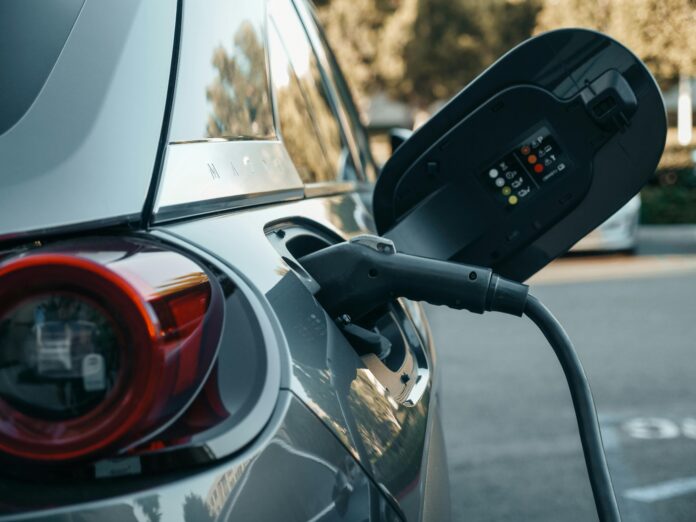
That is why many drivers consider Tesla charger installation as a smart first step. It ensures convenience at home and makes EV ownership easier. Having a reliable charger available in your own garage helps to remove range anxiety.

Families will also benefit from understanding energy costs, charging times, and maintenance savings. EVs bring both opportunities and challenges to households. This blog post aims to highlight what Caribbean families should know before making the switch.

The Rise of Electric Vehicles in the Caribbean

Electric vehicles are gaining popularity worldwide, and the Caribbean is steadily joining this transition. More households in the region are beginning to see the cost savings and environmental advantages that come with owning an EV. Lower fuel costs, fewer maintenance demands, and cleaner air are powerful motivators driving consumer interest. 

Governments and energy organizations are also promoting electric mobility. Some islands are offering tax breaks and import duty reductions to encourage adoption. These policies, combined with rising fuel prices, are creating favorable conditions for faster EV adoption.

By the end of 2023, the number of light electric vehicles in Latin America and the Caribbean reached 249,079 units. By the end of 2024, this number increased to 444,071 units. This represents a 187% increase in just one year. Growth was especially strong in the second half of 2024, when integration rose by 78% compared with the first half.

These figures, published by the Latin American Energy Organization (OLADE), confirm that the region is progressing rapidly toward electric mobility. These findings suggest that Caribbean families should prepare for a transportation future where EVs dominate sooner than many expected.

Understanding the Costs of Switching to EVs

The financial side of owning an electric vehicle is often the biggest concern for families. EVs generally cost more upfront compared to gasoline cars, but they make up for it over time. Lower fuel expenses and reduced maintenance help to balance the investment. Families who look beyond the sticker price can see long-term value.

Governments across the Caribbean are introducing tax incentives and import duty reductions for EV purchases. These policies aim to reduce the entry barrier for households. When families consider lifetime costs instead of short-term expenses, the benefits become clearer.

The Global EV Drivers Alliance (GEVA) recently conducted the first worldwide survey of more than 23,000 EV drivers in 18 countries. The results showed that 92% of EV owners plan to buy another zero-emission vehicle. Only 1% said they would return to gasoline or diesel cars, while 4% would consider a plug-in hybrid.

Lower operating costs were the top motivation, followed by climate impact. The survey confirms that families everywhere can expect both financial savings and environmental benefits when choosing electric vehicles.

Charging Options for Caribbean Households

Charging remains a key factor for families considering electric vehicles. While public charging networks are growing, they are still not available everywhere. For this reason, having a dependable home charging setup becomes very important. Households should review their options before buying an EV to ensure both convenience and peace of mind.

ChargerPro notes that Level 1 charging uses a standard 120V outlet and provides 2 to 5 miles per hour. Level 2 charging runs on a 240V circuit and works best when hardwired into the home system. Level 3, also called DC Fast Charging, is the quickest option for Tesla vehicles. These charging levels give families flexibility based on daily needs.

According to a survey by J.D. Power, more than one-third of EV owners (35%) always schedule home charging, while 49% do not use scheduling at all. Among those who schedule, satisfaction is higher when using the vehicle’s mobile app (739) compared to the charger’s app (706). This shows that convenience and user experience play a big role in how families view charging. The survey confirms that effective planning and the right tools can make home charging far more satisfying.

Preparing for the Future of EV Adoption

Families, businesses, and governments must plan to fully benefit from the ongoing EV revolution. Without careful preparation, infrastructure gaps and policy delays could slow adoption. Preparing today ensures that EV growth is sustainable tomorrow.

Caribbean nations face unique challenges such as limited land space, heavy reliance on imports, and vulnerability to climate change. These factors make future planning essential. By aligning electric mobility with renewable energy and resilient infrastructure, island states can strengthen both their economies and their environment. 

According to the United Nations in the Caribbean, Caribbean island nations are already taking bold steps toward this future. Barbados has electrified nearly 90% of its buses, while Grenada grants full tax concessions on EVs and chargers. Saint Lucia has set a target of 30% electric vehicle sales by 2030.

Transport contributes 38% of carbon dioxide emissions in Latin America and the Caribbean, highlighting the urgency. UNEP and partners are supporting these initiatives through technical support, financing, and regional forums. The evidence shows that coordinated planning can make the Caribbean a global model for sustainable transport.

Frequently Asked Questions

1. Are electric vehicles practical for daily driving in the Caribbean?

Yes, EVs are practical for daily driving if charging access is planned properly. Public stations are increasing but remain limited. Installing a home charger offers convenience. Families can manage daily needs easily. Careful preparation ensures EVs become a reliable option for Caribbean households. Families who plan early enjoy greater confidence.

2. How much maintenance does an electric vehicle require?

EVs are simpler to maintain than traditional gasoline cars. They eliminate the need for oil changes and have fewer mechanical components that can wear out. Regenerative braking also reduces strain on brake pads, extending their life. Owners mainly focus on tire care, battery performance, and software updates. With routine servicing, EVs remain dependable while keeping upkeep costs low.

3. Are electric vehicles affordable for Caribbean families today?

EVs have higher upfront prices compared to fuel cars. However, fuel and maintenance savings offset these costs over time. Incentives like reduced import duties help affordability. Home charging reduces operating costs further. Families should consider total ownership value rather than only the purchase price when deciding. Careful planning makes EVs accessible.

Caribbean families are entering a new era of mobility. Electric vehicles offer environmental benefits and long-term savings. However, planning is essential before making the switch. Families should focus on charging options, cost comparisons, and future government policies. By preparing early, households can enjoy smoother adoption and greater benefits. This shift will bring lasting rewards for generations.


Florida moves to eliminate vaccine mandates for children

Florida is seeking to become the first U.S. state to eliminate all vaccine mandates, including long-standing requirements for children to receive inoculations against diseases such as measles, mumps, and polio before attending public school.

At a Wednesday news conference, Florida Surgeon General Joseph Ladapo called the mandates “wrong” and “immoral,” comparing them to slavery. “All of them. All of them,” he said. “Every last one of them is wrong and drips with disdain and slavery.”

Ladapo argued that vaccination decisions should rest solely with individuals and parents. “Who am I to tell you what your child should put in their body? I don’t have that right. Your body is a gift from God,” he said, adding that while the state is not banning vaccines, it intends to remove all mandates.

Currently, Florida law requires children to be vaccinated against illnesses including chickenpox, hepatitis B, measles, mumps, rubella, and polio before entering public school. State officials did not provide a timeline for ending the mandates. Some may require legislative action, while others could be repealed by the health department.

The move has drawn criticism from health experts who note that vaccines have saved at least 154 million lives globally over the past 50 years, according to the World Health Organization.

The American Medical Association says it “opposes Florida’s plan to end all vaccine mandates, including those required for school attendance. This unprecedented rollback would undermine decades of public health progress and place children and communities at increased risk for diseases such as measles, mumps, polio, and chickenpox resulting in serious illness, disability, and even death.”

Florida’s large Caribbean-born population is among the communities watching the development closely, as many Caribbean families have long relied on vaccines in both their home countries and in the United States to protect against infectious diseases. In several Caribbean islands—including Jamaica, Trinidad and Tobago, Barbados, and the Bahamas—children are required to be fully vaccinated before starting school.

St. Kitts and Nevis PM sees ‘hope’ in low Africa-Caribbean trade levels

St. Kitts -Nevis Government to pay second CBI dividend in June
The Honorable Terrance Drew, Prime Minister of Saint Kitts and Nevis.

The fourth edition of the Intra-African Trade Fair (IATF2025) opened Thursday with St. Kitts and Nevis Prime Minister, Dr. Terrance Drew, calling the low level of trade between Africa and the Caribbean a starting point for growth.

“…the trade between the Caribbean and Africa is roughly 1% or less. That is a very, very small percentage,” Drew told a panel of African leaders following the opening ceremony, which drew more than 3,000 delegates. “You might look at that and say, ‘Why is it important?’ When I look at a small number like that, I see hope. It is a silver lining. There’s only one place that trade can go. It cannot go down anymore. It is an opportunity to go up. Hence, we should establish this deeper relationship.”

Drew pointed to opportunities for African investment in emerging technology, agriculture, renewable energy, and tourism, stressing the absence of a direct air link between the two regions. “To go from the Caribbean to Africa, you have to go north to come back south, and it takes, sometimes, two to three days,” he said, adding that a direct St. Kitts–Algeria flight would be shorter than routing through London.

The prime minister also highlighted the Caribbean’s influence in the creative industries, sports, and healthcare, referencing reggae, the steel pan, and intellectual contributions to Pan-Africanism. “The Caribbean has always been a fundamental part of Pan Africanism,” he said, citing figures such as Marcus Garvey, George Padmore, and Bob Marley.

Drew, who is preparing to assume the six-month chairmanship of CARICOM, said his message to Africa is that the region is “much integrated, and we are much interested in bringing a greater relationship with Africa as the continent and its sixth region. This will help us to create opportunities for our people and to write a history… written by us, for us, for our own interest.”

He credited the Africa Export-Import Bank (Afreximbank) with helping to foster stronger Africa-Caribbean ties, including the Africa-Caribbean Trade and Investment Forum, most recently held in Grenada. He added that partnerships are already emerging in education, vocational training, and investment with countries such as Nigeria, Tanzania, Kenya, and Ghana.

IATF2025, themed “From Trade Fairs to Economic Empowerment: An Evolutionary Story,” runs with participation from 30,000 visitors and buyers, as well as more than 52,000 exhibitors worldwide, according to Afreximbank President, Professor Benedict Oramah.

Antigua and Barbuda to chair ACS Special Committee on Transport

Antigua and Barbuda has been elected Chair of the Association of Caribbean States (ACS) Special Committee on Transport, marking the first time the country will lead the regional body.

The election was confirmed during the 34th Meeting of the Committee, where Antigua and Barbuda received unanimous support from member states. The ACS Special Committee on Transport is the main platform for advancing cooperation in transport and logistics across the Greater Caribbean, with priorities that include air and maritime connectivity, digitalisation of transport systems, and sustainable infrastructure development.

Dr. Clarence E. Pilgrim, Permanent Secretary in the Ministry of Foreign Affairs, Trade and Barbuda Affairs, has been appointed Chairman. Dr. Pilgrim, who has decades of experience in public administration, trade facilitation and regional engagement, will guide the implementation of the ACS’s 2025–2026 Transport Work Programme.

PAHO launches Caribbean award honoring Jamaican Veterinarian Suzan McLennon-Miguel

Suzan McLennon-Miguel

The Pan American Health Organization (PAHO) has introduced the Suzan McLennon-Miguel Caribbean Antimicrobial Resistance (AMR) Leadership Award, a new regional honor recognizing outstanding leadership in the battle against antimicrobial resistance (AMR), a global health threat often described as the “silent pandemic.”

The award pays tribute to the late Dr. Suzan McLennon-Miguel, a Jamaican veterinarian whose three-decade career spanned veterinary public health, disaster response, food safety, and AMR advocacy. Known affectionately as “Doc Sue,” she championed the One Health approach, which links human, animal, and environmental health in tackling complex challenges like AMR.

PAHO is inviting nominations of individuals or organizations across the Caribbean who have demonstrated exceptional commitment to addressing AMR. Eligible candidates may include those who have led community-based initiatives, advanced education and policy solutions, or contributed to research and innovation. Self-nominations are welcome.

Nominations close on September 30, 2025, and the winner will be announced on November 18, 2025, during World Antimicrobial Resistance Awareness Week. The awardee will be invited to PAHO’s Washington, D.C. headquarters for expert meetings, strategic AMR discussions, and an opportunity to present their work. A commemorative plaque will also be presented.

“AMR threatens lives across the Caribbean, from routine infections to critical treatments like cancer care,” said Pilar Ramon-Pardo, Chief of PAHO’s Antimicrobial Resistance Special Program. “This award celebrates Dr. McLennon-Miguel’s legacy by recognizing leaders who are building a healthier future.”

A legacy of Caribbean leadership

Dr. McLennon-Miguel, who passed away in July 2023 after a battle with cancer, left a lasting mark on public health in the region. She led animal health responses during the 2021 volcanic eruption in St. Vincent and worked as a food safety specialist at the Caribbean Agricultural Health and Food Safety Agency (CAHFSA) in Suriname.

Her contributions extended beyond her professional career. In Jamaica, she created “Doc Sue’s Happy Rooms”—brightly decorated spaces in hospitals designed to give sick children a place to play, learn, and dream. “It’s more than a playroom,” she said. “It’s a place where children can start dreaming of what they want to be in the future.”

Why AMR matters

Antimicrobial resistance occurs when bacteria, viruses, fungi, or parasites stop responding to medicines, making common infections increasingly difficult—and sometimes impossible—to cure. In the Caribbean, AMR threatens everything from routine treatments to surgeries and cancer care, placing decades of public health progress at risk.

PAHO is scaling up its efforts to combat AMR in the region by strengthening surveillance, expanding laboratory capacity, promoting the responsible use of antibiotics, and advancing One Health partnerships. These initiatives are supported by the UK Government’s Fleming Fund and new South-South cooperation efforts.

Through the new award, PAHO hopes to inspire bold action across the Caribbean to combat AMR while celebrating Dr. McLennon-Miguel’s enduring legacy.

OAS urges voter list overhaul after Jamaica’s general election

by-election date Jamaica election polls line

The Organization of American States (OAS) Electoral Observation Mission (EOM) has released its findings and recommendations following Jamaica’s September 3 general election, pointing to strong management of polling day operations but also highlighting concerns over voter turnout, the accuracy of the voters’ list, accessibility, and the use of new technology.

According to the Electoral Commission of Jamaica (ECJ), preliminary turnout stood at 39.5 percent, with the Jamaica Labour Party (JLP) securing a majority in 35 constituencies and the People’s National Party (PNP) winning 28. The OAS noted that turnout has been declining and may be linked to issues surrounding the size and accuracy of the voters’ list, which grew by 26 percent between 2011 and 2025.

The Mission observed that while the ECJ updates the list twice a year, challenges remain in removing ineligible voters, including deceased persons, due to the absence of a centralized reporting system. The OAS recommended that authorities conduct a thorough assessment of the list to determine whether a new nationwide enumeration exercise is needed, alongside more frequent cleansing and stronger information-sharing mechanisms with relevant agencies.

On election day, all 7,294 polling stations opened, with 99.5 percent starting on time. The ECJ’s Election Information Management System (EIMS), which provides real-time updates on polling station operations and turnout, was praised as a good practice that enables transparency and supports oversight by political actors, media, and civil society.

The OAS also flagged accessibility concerns for persons with disabilities and the elderly, noting that while current laws allow assistance by presiding officers or companions, civil society groups have called for additional measures such as portable ramps, technology for deaf voters, and ballots in Braille. The Mission recommended inclusive consultations and the introduction of vehicle tags for transporting persons with disabilities.

Technology was another focal point of the report. For this election, handheld biometric devices were piloted in seven constituencies to identify voters through fingerprints. However, glitches led to delays, overcrowding, and inconsistent implementation when the devices were temporarily paused. The OAS urged stronger training for polling staff and clearer procedures for handling cases where fingerprints cannot be identified.

In addition, the Mission pointed to difficulties citizens faced accessing online election-related data in the lead-up to polling day, as the ECJ migrated its website to enhance security. It recommended storing historic and regulatory information separately from live election data to ensure continuous public access.

Despite these challenges, the OAS praised the overall administration of the vote, noting the ECJ’s commitment to strengthening Jamaica’s electoral process. Its recommendations, it said, are aimed at ensuring future elections are more inclusive, efficient, and transparent.