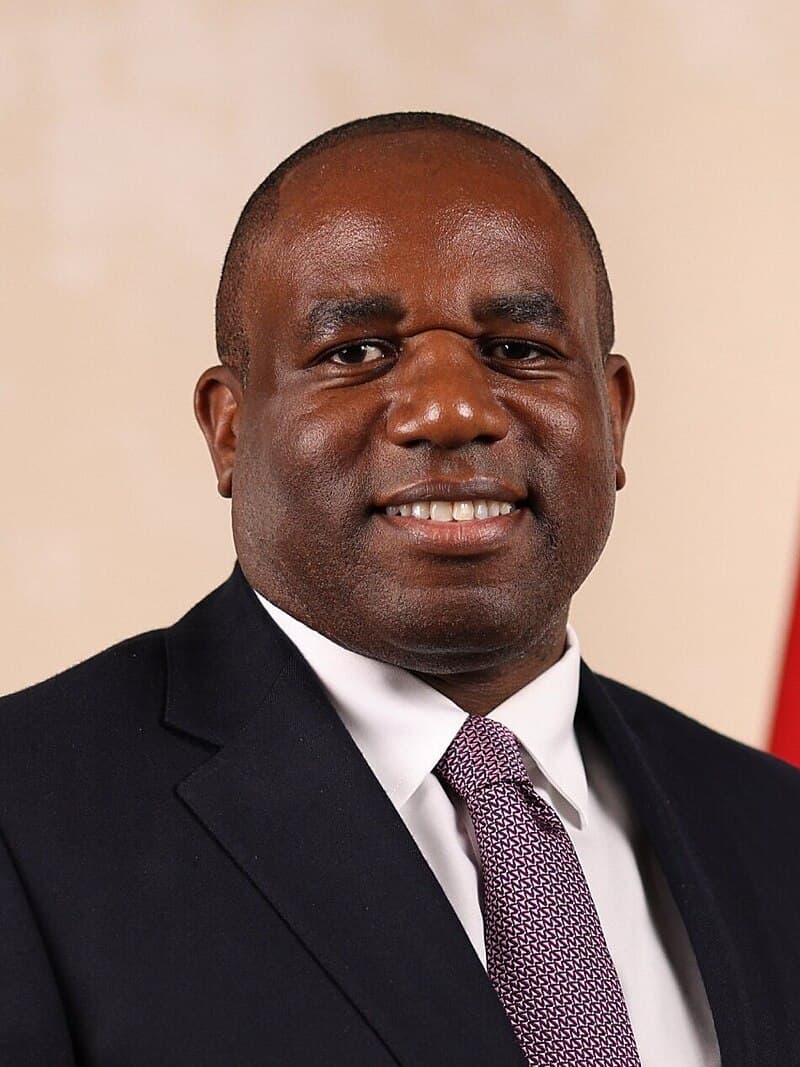
David Lammy, son of Guyanese immigrants, is Britain’s first Black Deputy Prime Minister
Key Points(5)
- Born in 1972 into a working-class family in Tottenham, he was raised by his mother alongside four siblings after his father, a taxidermist, left when Lammy was 12.
- Reflecting on his father’s path, Lammy noted that financial constraints, bureaucracy, and discrimination had forced him to abandon his ambition of becoming a veterinarian.
- His mother, meanwhile, worked tirelessly, often juggling three jobs as a home aide, care assistant, and Tupperware salesperson, to provide for the family.</p> <p>Lammy’s heritage reflects Guyana’s multiethnic identity, with roots in both the African and Indian diasporas.
- In 1997, he became the first Black Briton admitted to Harvard Law School, earning a Master of Laws.
- His historic academic achievement drew attention in both Britain and the Caribbean.</p> <p>Lammy entered Parliament in 2000, winning the Tottenham by-election following the death of veteran MP Bernie Grant, another trailblazer of Caribbean descent.
David Lammy, the son of Guyanese immigrants who built their lives in Britain, has made history as the United Kingdom’s first Black Deputy Prime Minister and Justice Secretary.
His appointment follows the resignation of Angela Rayner amid a tax scandal, marking a significant political shift and a momentous achievement for Caribbean representation in global politics.
Rayner stepped down Friday after breaching the ministerial code over underpaid taxes on her flat, triggering a cabinet reshuffle that elevated Lammy, previously Foreign Secretary, to the second-highest post in British government.
Lammy takes pride in his Guyanese roots. Born in 1972 into a working-class family in Tottenham, he was raised by his mother alongside four siblings after his father, a taxidermist, left when Lammy was 12. Reflecting on his father’s path, Lammy noted that financial constraints, bureaucracy, and discrimination had forced him to abandon his ambition of becoming a veterinarian. His mother, meanwhile, worked tirelessly, often juggling three jobs as a home aide, care assistant, and Tupperware salesperson, to provide for the family.
Lammy’s heritage reflects Guyana’s multiethnic identity, with roots in both the African and Indian diasporas. He has long embraced his dual identity, advocating for Caribbean immigrants in Britain and playing a key role during the Windrush scandal that targeted legal Caribbean residents.
A choral scholarship at age 10 opened the door to The King’s School in Peterborough, and he later studied law at SOAS University of London. In 1997, he became the first Black Briton admitted to Harvard Law School, earning a Master of Laws. His historic academic achievement drew attention in both Britain and the Caribbean.
Lammy entered Parliament in 2000, winning the Tottenham by-election following the death of veteran MP Bernie Grant, another trailblazer of Caribbean descent. Over the years, he held various portfolios under Labour governments, from public health to higher education, before ascending to Shadow Foreign Minister and then Foreign Secretary in 2024.
Commentators in Guyana and across the Caribbean have hailed Lammy’s appointment as a “Diaspora victory,” highlighting the growing influence of Caribbean leadership on the global stage. Lammy himself frames his leadership as both a symbol of representation and a platform to reform systems that historically excluded people like his parents.