Home Blog Page 171

Tornado damages homes in Westmoorings and Victoria Gardens, Trinidad

Tornado Trinidad

PORT OF SPAIN, Trinidad — A rare and damaging tornado struck residential communities west of Port of Spain on Tuesday, October 7, leaving a trail of destruction across Westmoorings, Victoria Gardens, and parts of Chaguaramas.

The twister touched down around 11:55 a.m. local time (15:55 UTC), tearing through Cherry Crescent North in Westmoorings, where at least four homes sustained roof damage. Nearby properties also suffered structural impacts as the tornado tracked east-northeast across the western peninsula, uprooting trees and ripping off rooftops.

While no injuries or fatalities have been reported, residents described scenes of chaos as strong winds sent debris flying and power lines swayed violently. Emergency responders were dispatched to assess the extent of the damage.

Preliminary assessments suggest the event was consistent with a weak to moderate tornado, although the Trinidad and Tobago Meteorological Service (TTMS) has not yet confirmed the official classification.

According to meteorologists, the weather system developed under conditions that favored tornadic activity — including a line of deep convective thunderstorms along the western coast, strong vertical wind shear, and high low-level humidity.

Authorities are urging residents in affected areas to remain cautious as cleanup efforts continue and to report any further structural damage or hazards to emergency services.

Ambassador Anderson rallies diaspora to lead Jamaica’s $1.8B medical tourism push

Jamaica’s Ambassador to the United States, Major General (Ret’d) Antony Anderson, Centre delivers remarks at a reception hosted in his honour by the RalRosa Foundation at their headquarters in Georgetown, Washington, D.C., on October 1,2025. Photo Derrick Scott.

Jamaica’s Ambassador to the United States, Major General (Ret’d) Antony Anderson, has unveiled a bold plan to harness the expertise and capital of Jamaica’s diaspora doctors to build a world-class medical tourism industry that could generate more than US$1.8 billion annually.

Not a career diplomat versed in cocktail-circuit pleasantries, nor a healthcare bureaucrat fluent in policy jargon, Anderson—the man who once commanded Jamaica’s military, overhauled its police force, and advised the Prime Minister on national security—now faces perhaps his most audacious mission yet: convincing diaspora doctors that their exodus from Jamaica wasn’t abandonment, but preparation.

Standing before a room packed with Jamaican professionals—educators, doctors, lawyers, engineers, and other diaspora leaders—Anderson delivered an unconventional diplomatic pitch. Speaking at a reception hosted in his honour by the RalRosa Foundation in Georgetown, Washington, D.C., on October 1, the Ambassador challenged Jamaican medical professionals in the United States to view their migration as preparation for a new phase of national service through investment and collaboration.

“If I was going to get sick, here’s the place to do it,” Anderson joked to the audience before shifting to a more serious tone. “Imagine if those same skills and expertise could generate billions while fixing the very healthcare system you left behind.”

From Brain Drain to Economic Gain

The Ambassador’s call draws on lessons from Turkey and Thailand—two countries that successfully turned their health sectors into global medical tourism destinations. Turkey alone earns more than US$1.8 billion each year from patients, many from the United States, seeking affordable, high-quality care abroad.

“Those countries didn’t just build facilities for foreigners,” Anderson noted. “Their investments lifted the quality of care for everyone. Jamaica can do the same.”

He added that Jamaica’s proximity to the U.S., its English-speaking workforce, and its deep pool of diaspora physicians provide a natural competitive advantage.

A New Investment Model

Anderson’s proposal reimagines the role of diaspora healthcare professionals. Instead of competing with U.S. hospital salaries, Jamaica would offer equity partnerships in medical tourism facilities, allowing rotational practice and knowledge transfer—without requiring full relocation.

He said he intends to begin discussions with Health and Wellness Minister Dr. The Honourable Christopher Tufton to establish the necessary regulatory framework, including international accreditation, malpractice protections, and investment incentives.

“When supply meets demand, it’s no longer a problem—it’s an industry,” Anderson told the audience. “We can transform our brain drain into a business model that strengthens the healthcare system at home.”

Funding the Public Health System

At the heart of the Ambassador’s vision is a plan to channel private-sector earnings from medical tourism into Jamaica’s public healthcare system, creating a self-sustaining cycle of improvement.

“Can you imagine if Minister Tufton had an inflow of private healthcare revenue to reinvest in public hospitals?” Anderson asked. “That’s how we turn a challenge into a solution.”

He described the approach as “a virtuous circle,” where international earnings raise local standards, which in turn attract more patients and practitioners—including diaspora doctors seeking meaningful ways to give back.

Honoring Diaspora Philanthropy

Anderson also paid tribute to the RalRosa Foundation, whose work he described as “a lighthouse of love.” Named after Keith Ralston and Phyllis Rosa Watson, the foundation has adopted the Golden Spring Health Centre in St. Andrew, providing diagnostic equipment and committing J$3 million over three years to improve services.

“Keith Ralston and Phyllis Rosa Watson planted seeds of service that have grown into this magnificent tree under which we gather tonight,” Anderson said. “Let us water it with our commitment and ensure its branches provide shade for generations of Jamaicans yet unborn.”

Dr. Jacqueline Watson, President of the Foundation, announced that the organization will extend its adoption of the Golden Spring Health Centre for another three years, continuing its mission to uplift healthcare in underserved communities.

A Call to Action

With characteristic military clarity, Anderson urged Jamaican professionals abroad to seize the opportunity before foreign investors do.

“Non-Jamaicans already see the potential,” he warned. “I’m saying to us, get in on the ground floor.”

For Anderson, Jamaica’s medical tourism ambition is not only about attracting foreign patients—it’s about re-enlisting the diaspora in the national project of transformation.

“Every dollar doesn’t just buy equipment,” he concluded. “It purchases hope. Together, we can turn charitable intention into sustainable solutions.”

Caribbean City Culture Clash set to turn up the heat This Miami Carnival weekend

Caribbean City Culture Clash

Get ready to wave your flags high and rep your island loud! The ultimate Caribbean celebration returns to South Florida with Caribbean City Culture Clash: Bring Ya Flag, Rep Ya Country, happening Saturday, October 11th at 100 SW 3rd Ave, Fort Lauderdale, right in the heart of the Miami Carnival Weekend festivities.

From 9 PM to 4 AM, this electrifying event promises to be more than just a party; it’s a full-blown cultural showdown where pride, music, and vibes collide. Whether you’re repping Trinidad & Tobago, Jamaica, Haiti, Barbados, Guyana, Saint Lucia, or anywhere across the diaspora, this is your night to shine.

Curated for the love of soca, dancehall, and afrobeats, Caribbean City Culture Clash has earned its crown as South Florida’s #1 Caribbean Monthly Party. With each edition bringing together diverse island vibes under one roof, it’s no surprise this event has become a staple on the Entertainment calendar.

This month’s lineup is nothing short of epic, featuring a heavy-hitting roster of DJs set to control the vibes all night long:

  • DJ Paddy International (NYC): Known for his seamless transitions and high-energy sets that keep the crowd jumping.
  • DJ Active (NYC): Bringing the heat from the Big Apple with dancehall and afrobeats fyah.
  • DJ Fergie: A local Florida favorite whose name is synonymous with Caribbean party anthems.
  • Ironheart Sound: Masters of the mash-up, delivering that authentic island sound.
  • SJ Swoll Joel: The life of the party, guaranteed to keep you dancing until sunrise.

This isn’t just a party, it’s a Caribbean experience. Expect non-stop flag-waving, waistline-moving, and culture-sharing with people who love the vibes just as much as you do. The dress code? Come island-fresh, and don’t forget your flag.

The event takes place at 100 SW 3rd Ave, Fort Lauderdale, FL, on Saturday, October 11th, 2025.

Starting at 9:00 PM  and running until 4:00 AM. Must be 21 and older to party.

Whether you’re a Carnival veteran or just looking to soak up the island energy, Caribbean City Culture Clash is the place to be this Miami Carnival Weekend.


Tobago Carnival 2025: mud, mas and music

Tobago Carnival

Tobago is gearing up for what promises to be its most spectacular Carnival season yet. With just days to go before the vibrant October festivities erupt across the island, the message from the Tobago House of Assembly (THA) is clear: Tobago Carnival 2025 is more than a celebration, it’s a cultural movement and an economic powerhouse in the making.

At the helm of this transformative push is Chief Secretary Farley Augustine, whose administration has approved over $11.5 million for this year’s Carnival budget. According to the THA, every cent is being invested in solidifying Tobago’s place on the regional Carnival circuit and boosting the island’s tourism product.

The excitement officially hit a high note on Wednesday, September 10, as the Tobago Festivals Commission Ltd. (TFCL) rolled out the red carpet for the launch of Carnival 2025. Hosted at the sleek new Comfort Inn and Suites in Scarborough, the event unveiled the Calendar of Events, the lineup of registered Mas bands, and this year’s theme: “Mud, Mas, Music.”

At a recent media briefing, Interim Secretary of Tourism, Culture, Antiquities and Transportation, Assemblyman Zorisha Hackett, emphasized that Tobago Carnival is not just about revelry. “It’s a vehicle for community empowerment, youth engagement, and sustainable economic development,” she said. Assistant Secretary Niall George reinforced this vision, highlighting the vital roles of schools, village groups, and emerging creatives in shaping the Carnival experience.

This year, the Carnival is doubling down on grassroots involvement, eco-conscious innovations (including sustainable mud options), and cultural authenticity. Dr. Charleston Thomas, the newly appointed Chairman of the Tobago Carnival Advisory Team, underscored the importance of cultural oversight and heritage preservation as the festival evolves.

Carnival stakeholders have wasted no time getting into gear. Dexter Sandy, President of the Tobago Organization of the Carnival Arts (TOCA), reported record interest from both large and small Mas bands. However, he made a public appeal for increased air and sea bridge capacity to meet growing visitor demand.

Meanwhile, the PanTrinbago Tobago Region has announced two major events: Pan Omega on October 18 and Steelpan and Powder on October 25, with tickets already selling fast. Calypso tents, fete promoters, and cultural groups have all echoed their excitement, unveiling a jam-packed Carnival calendar that promises nonstop action across the island.

In his remarks, TFCL CEO Kern Cowan assured the public that this year’s Carnival would be marked by seamless execution, enhanced safety protocols, job creation, and unforgettable visitor experiences. “We’re building something not just for now, but for the future,” he noted. “Tobago Carnival is an investment in our people, our talent, and our global appeal.”

Whether you’re drawn by the music, the mas, the mud, or the magic, Tobago Carnival 2025 is shaping up to be a must-attend cultural experience. From traditional storytelling through calypso and steelpan, to bold innovations in event design and community participation, Tobago is ready to make a bold, beautiful statement on the world stage.


Sara Misir’s masterclass in Lagos propels Blue Rising toward E1 title showdown

Sara Misir
Sara Misir

Jamaican motorsport sensation Sara Misir continued her spectacular debut season in the E1 Series with another commanding performance, steering Team Blue Rising to a second-place finish at the Lagos Grand Prix — the first-ever E1 event held on African waters.

Her result helped propel the team into third place in the overall standings, setting the stage for a dramatic season finale at the Grand Final in Biscayne Bay, Miami, scheduled for November 7–8.

Blazing through Lagos waters

Coming off the momentum of their Monaco Grand Prix victory in July, Misir and teammate John Peeters arrived in Lagos determined to keep their title hopes alive. The pair delivered a near-flawless weekend of racing that kept spectators on their feet from start to finish.

Misir opened the event with a breathtaking charge, slicing her way from P7 to P2 by the chequered flag in her opening race. Her stellar drive secured Peeters a front-row start for the second heat — an opportunity he fully capitalized on, converting it into a dominant win that solidified Team Blue Rising’s shot at the podium.

Consistency meets class

When the final got underway, Misir once again demonstrated the poise and precision that have defined her rookie season. Starting third on the grid, she maintained ra elentless pace and composure to clinch second overall, trailing only Team Brazil by Claure Group, with Team Drogba rounding out the top three.

The Lagos result marked Team Blue Rising’s third consecutive podium finish — following their triumph in Monaco and a third-place result in Italy on June 28. Earlier in the season, they also claimed third in the opener in Jeddah, Saudi Arabia. Out of six Grand Prix weekends so far, Misir and Peeters have now secured four podiums — a feat that underscores both their rising form and competitive resilience on the international stage.

Eyes on Miami glory

With Lagos behind them, Misir and Peeters have firmly established Team Blue Rising as contenders heading into Miami, where the championship title will be decided.

“It was a really intense race weekend, and I’m proud of how we fought through the field,” Misir reflected. “The team strategy paid off and we’re in a strong position heading into Miami. We can’t wait to give it my all at the Grand Final.”

The upcoming Miami Grand Prix promises high drama and high speed on the sparkling waters of Biscayne Bay — a fitting finale for Misir’s trailblazing debut season. Her success continues to make waves not only in the E1 Series but also for Jamaica’s growing presence in international motorsport.


Andre Blake’s brilliance carries Union past MLS powerhouses to 2025 Shield title

Andre Blake

Jamaica’s Reggae Boyz goalkeeper and captain Andre Blake has once again etched his name into Major League Soccer history, guiding the Philadelphia Union to the 2025 Supporters’ Shield — awarded to the team with the league’s best record after the regular season.

For Blake, it is yet another crowning moment in an already glittering career, and a testament to his enduring excellence between the posts.

Outperforming the giants

In a year defined by unprecedented spending and global star power — led by Lionel Messi’s high-profile Inter Miami — the Union’s triumph stands as a triumph of unity, discipline, and leadership. With Blake as their heartbeat and longest-serving player, Philadelphia outclassed their more lavishly assembled rivals through sheer resilience and consistency.

Blake produced another masterful display in the decisive fixture, keeping a third consecutive clean sheet to seal the Shield. His performances throughout the campaign anchored one of the stingiest defenses in MLS, earning the Union their second Supporters’ Shield, following their first in 2020 — also with Blake at the helm.

This latest success reinforces his status as one of the greatest goalkeepers in MLS history, if not the definitive best.

“Hard work paying off”

Speaking moments after the title-clinching match, a beaming Blake reflected on the magnitude of the achievement and the values that continue to drive him.

“It’s just hard work paying off; there’s no better feeling,” he said. “I always say I prefer team trophies, team accolades over individual accolades. And just being able to celebrate this moment with the team — words can’t describe how I feel right now.”

It was vintage Blake — grounded, humble, and team-first — embodying the leadership that has defined his decade-long spell in Philadelphia.

A year of joy on and off the field

The 2025 season has been one of both professional triumph and personal happiness for the Jamaican star. Earlier this year, he claimed MLS Save of the Month honors for April, adding another accolade to his decorated résumé. Off the pitch, he celebrated the birth of his daughter, a milestone that has added extra joy to what he calls “a blessed chapter” in his life.

“Things are going my way right now, and I’m just grateful,” Blake said. “I’m living in the moment, and when it’s your time, it’s your time.”

Returning to lead the Reggae Boyz

As Philadelphia celebrates, Blake’s focus quickly turns to international duty. After missing the previous window due to injury, the Jamaican captain is set to rejoin the Reggae Boyz for the upcoming FIFA World Cup qualifiers.

His return offers a timely boost for Jamaica, who will lean on his composure, leadership, and world-class shot-stopping as they continue their push toward World Cup qualification.

With another major honor secured, Blake’s legend only grows — a symbol of excellence for both club and country.


Jamaica pays tribute to its coaching architects on National Coaches Day

Jamaica Minister of Culture, Gender, Entertainment and Sport, Olivia Grange
Minister of Culture, Gender, Entertainment and Sport, Olivia Grange

In a year defined by extraordinary athletic achievement, Jamaica has turned its national spotlight on the unsung architects of that success — the coaches.

Marking National Coaches Day 2025, Minister of Sport Olivia Grange led the nation in a heartfelt salute to the men and women who have shaped Jamaica’s sporting legacy from the grassroots to the global stage.

“Our coaches are the architects of our athletic dominance,” Minister Grange declared in an official release. “Their discipline, dedication, and expertise not only produce world-class athletes but also instil invaluable life skills in our young people.”

A nation of champions, guided by mentors

This year’s observance comes on the heels of what Minister Grange described as a “remarkably successful 2025 athletics season,” with both junior and senior teams capturing glory on the international circuit.

The annual commemoration — officially proclaimed in 2022 by Governor-General Sir Patrick Linton Allen — recognizes the vital contribution of coaches across all sporting disciplines. It is a day to honor not only the results seen on the track or field, but also the mentorship, resilience, and character-building that lie behind every victory.

Celebrating excellence in coaching

Special commendation was extended to the Jamaica Track & Field Coaches Association (JATAFCA), which spearheaded the campaign for a national day dedicated to coaches. The organization’s collaboration with the Ministry has grown steadily since the declaration, and this year’s celebration will culminate in a major awards ceremony on November 22, 2025.

The event, themed “Sustainability of Athletics Through the Development of Coaches,” will recognize outstanding service across five categories of excellence, honoring those whose lifelong dedication has sustained Jamaica’s dominance on the world stage.

A call to celebrate the pillars of sport

Echoing the sentiments of the Governor-General, Minister Grange urged Jamaicans everywhere to join in the day’s observances and to continue supporting coaches throughout the year.

“The success of Jamaican sport, from the primary to the elite level, is a direct reflection of the caliber and commitment of its coaching professionals,” she affirmed, offering a national salute to all coaches, past and present.

As Jamaica continues to shine on the international stage, National Coaches Day serves as a powerful reminder that behind every record, every medal, and every moment of glory stands a guiding hand — a coach who dared to believe, teach, and inspire.


Sandals to begin design of $500M Beaches Resort in St. Vincent in 2026

Adam Stewart
Adam Stewart, Executive Chairman of Sandals Resorts and Beaches Resorts, revealed that around 1,700 jobs will be created during the construction phase

Sandals Resorts International (SRI) CEO Adam Stewart has announced that the company will begin designing a new Beaches resort at Mt Wynne in 2026, marking another major investment in Saint Vincent and the Grenadines’ tourism landscape.

Speaking at a signing ceremony in Buccament Bay on Monday, Stewart said the new project represents a US$500 million investment and will feature approximately 500 rooms. The planned resort is expected to employ nearly 2,000 Vincentians once fully operational.

“So, prime minister, we are here to sign today an agreement to build at this stage what looks like the vision of a 500-bedroom, $500 million Beaches resort in this country,” Stewart said ahead of the signing of the confidential documents with Prime Minister Ralph Gonsalves.

Sandals had originally planned to build the Beaches property at Buccament Bay but pivoted after the pandemic to launch a Sandals resort there, which opened in March 2024. “That was our original commitment to the country — to build a Beaches. And of course, we pivoted after COVID to the Sandals,” Stewart explained.

The new Beaches resort will showcase local inspiration, with Stewart noting that the Red Lane Spa will draw on the island’s volcanic minerals and cultural heritage. “This is a volcanic island, and we’re going to use those minerals, all that history, and infuse it into the next generation of Red Lane Spa,” he said.

From cuisine to design, Stewart promised the property would reflect the best of Saint Vincent and the Grenadines. “Gastronomically, we’re going to go overboard,” he said, referencing Buccan — a Sandals concept restaurant that sources its ingredients from local farmers. “From a water park point of view, we’re going to build something extraordinary.”

Stewart also highlighted the broader economic impact of Sandals’ presence, noting that the company employs over 150 Vincentians across four Caribbean islands, and 250 more are set to train in Turks and Caicos ahead of the opening of a new Beaches resort there in March 2026.

Praising Prime Minister Gonsalves’ leadership on Caribbean integration, Stewart emphasized the importance of regional self-reliance. “Nobody is coming to rescue this region. It is on the people of this region to recognise that the almighty created the most beautiful tapestry for us to share with the world,” he said.

He added that Sandals, a proudly Caribbean-born brand, will continue to work with governments across the region “to champion and explain to the world that if they give us that opportunity to come here, we will give them the best holiday that money can buy anywhere in the world, bar none.”

CDB, World Bank, and St. Vincent government strengthen partnership to advance development goals

The Caribbean Development Bank (CDB) and the World Bank (WB), in collaboration with the Government of Saint Vincent and the Grenadines, have agreed on a set of priority actions aimed at improving project implementation and maintaining alignment with the nation’s development agenda.

The commitments emerged from the Country Project Portfolio Review, held from September 8 to 12, 2025, which brought together senior government officials, representatives from both Banks, and key stakeholders to assess the progress of jointly financed projects. The review emphasized the need to streamline portfolios for greater efficiency, strengthen inter-ministerial coordination, and build the capacity of Project Implementation Units, contractors, and consultants.

As part of the way forward, the parties also agreed to deepen partnerships, maximize resource use, and evaluate local market conditions amid ongoing construction activity and a growing demand for skilled labor. Additionally, CDB and the World Bank committed to fostering more flexible and collaborative approaches within their institutions to better support client needs.

Discussions also centered on national priorities, including disaster risk management, climate change adaptation, resilient infrastructure, education, health systems strengthening, and economic diversification. Lessons learned were drawn from key initiatives such as the Volcanic Eruption Emergency Recovery, Hurricane Beryl Emergency Resilient Recovery, Port Modernisation, Coastal and Marine Ecosystems Management, and the Caribbean Digital Transformation projects.

CDB Director of Projects (Ag.) L. O’Reilly Lewis emphasized the importance of aligning investments with national goals, noting, “By working alongside the World Bank and the Government, CDB is ensuring that investments are both transformative and sustainable, tackling immediate needs while laying the groundwork for long-term growth.”

World Bank Director for the Caribbean Lilia Burunciuc echoed that sentiment, adding, “This review highlights the strong collaboration between the Government, the World Bank, and CDB in addressing urgent recovery needs while advancing reforms that support resilience, innovation, and opportunities for Vincentians.”

Following the review, continued dialogue between the Government, CDB, and the World Bank is expected as they move to identify and advance priority development areas for the years ahead.

St. Lucia’s iconic resorts honored as top destinations for honeymoons and weddings

Jade Mountain

Two of St. Lucia’s most celebrated resorts — Jade Mountain and Anse Chastanet — have once again earned top honors at the 32nd Annual World Travel Awards Caribbean and The Americas, held this year on the island.

Jade Mountain was named Caribbean’s Leading Honeymoon Resort 2025, adding to its impressive list of accolades. Resident Manager Ermin Joseph accepted the award on behalf of the resort, which has long been regarded as one of the Caribbean’s most romantic getaways. This latest win follows Jade Mountain’s recognition in 2024 as Saint Lucia’s Leading Honeymoon Resort and a dual victory in 2023 for both regional and island titles.

Meanwhile, sister property Anse Chastanet continued its dominance as Saint Lucia’s Leading Wedding Resort 2025, marking its third consecutive win in the category. Executive Assistant Manager Peter Jn Paul accepted the award, underscoring the resort’s reputation as a premier destination for couples exchanging vows in paradise.

Anse Chastanet

“These honors are especially meaningful as they reflect the timeless vision that Nick Troubetzkoy brought to life at Jade Mountain and Anse Chastanet — a vision rooted in harmony with nature and human connection,” said Karolin Troubetzkoy, Executive Director of both properties. “Our team continues to build on that legacy every day, welcoming couples from around the world to celebrate love in its purest form.”

Established in 1993, the World Travel Awards celebrate excellence across all sectors of the global travel and tourism industry, recognizing brands that consistently raise the bar for hospitality and guest experience.

Indian legend Gavaskar laments ‘net bowler’ West Indies after Ahmedabad rout

Sunil Gavaskar

AHMEDABAD, India — Indian cricket icon Sunil Gavaskar has delivered a blistering assessment of the West Indies’ latest Test humiliation, lamenting that the once-feared Caribbean pace battery now resembles a group of “net bowlers” after their innings-and-140-run defeat to India in the opening Test.

The contest, so one-sided it barely rippled the cricketing world, stood in stark contrast to the bygone era when a victory over the West Indies would have been headline news across continents. The team that once embodied swagger, speed, and dominance now appeared a pale shadow of its illustrious past.

“Is this really the West Indies pace attack?”

Writing in his Sportstar column, Gavaskar spared little in his critique of the visitors’ bowling, singling out only Jayden Seales for praise.

“In Ahmedabad, apart from Jayden Seales, the other two were simply trundlers,” Gavaskar observed. “No disrespect intended to them, but to see the first bouncer being bowled after half a dozen overs had been bowled made one ask, ‘Is this really the West Indies pace attack?’”

He lamented the absence of intimidation and tactical sharpness — traits that once defined Caribbean fast bowling. Gavaskar emphasized that while the short ball demands considerable effort, it remains an essential “surprise weapon” capable of unsettling even the most accomplished batters.

“It’s not just about raw pace,” he implied, “but about the intent to challenge — to make the batsman think twice.”

A shadow of the past

The gulf in class between the two sides was glaring, particularly with the bat. India’s line-up — led by KL Rahul, Dhruv Jurel, and Ravindra Jadeja, each registering centuries — piled on a mountain of runs with clinical authority. In response, the West Indies’ effort was timid and fragmented, with only Alick Athanaze (38) and Justin Greaves (32) showing brief signs of resistance.

Gavaskar described the display as dispiriting for fans who remember the Caribbean’s golden era, when batting icons such as Viv Richards, Clive Lloyd, Gordon Greenidge, and Brian Lara struck fear into bowlers worldwide.

“For a team that once boasted of the likes of Viv Richards, Clive Lloyd, Gordon Greenidge, and Brian Lara,” he wrote, “there is simply nobody in this current team who looks like getting a million country miles close to them.”

From titans to turbulence

The decline, Gavaskar noted, has been both steep and sustained. During his own playing career between 1971 and 1987, India managed just five victories in 31 Tests against the West Indies — a testament to the Caribbean side’s dominance at the time.

Now, the pendulum has swung dramatically. The West Indies have not won a single Test against India since 2002, a stretch spanning 25 matches, of which India have triumphed in 15.

For Gavaskar, the latest defeat was not just another loss but a sobering symbol of how far the once-mighty have fallen.

Echoes of lost fire

In his closing reflections, Gavaskar’s tone was one of wistful disbelief. The former Indian captain, who once faced the likes of Andy Roberts, Michael Holding, Joel Garner, and Malcolm Marshall, seemed to mourn not just a team’s decline but the erosion of a legacy.

Once synonymous with power and pride, West Indies cricket — once a byword for ferocity and flair — now struggles for relevance in the very format it once ruled.


Shaw strikes early as Beney’s late winner seals Manchester City thriller over Arsenal

Manchester City’s Khadija Shaw returns in style, propels team to FA Cup quarters
Manchester City’s Reggae Girl Khadija Shaw.

Jamaica’s Khadija “Bunny” Shaw set Manchester City in motion with a trademark header before teenage forward Iman Beney struck late to clinch a pulsating 3-2 victory over Arsenal in the Women’s Super League on Sunday.

The result extended City’s winning streak to four matches and handed Arsenal their first defeat of the season, following consecutive draws.

Shaw ignites the contest

City’s dominance began in the 36th minute when Shaw—sharp and relentless in front of goal—rose to meet Kerstin Casparij’s perfectly floated delivery, steering her header neatly into the bottom corner. It was a move born of precision and instinct, one that reminded fans why Shaw remains among the league’s most feared finishers.

Moments earlier, the Jamaican striker had already threatened from a corner, and her breakthrough gave City control heading into halftime.

Their celebrations were briefly halted when another link-up between Shaw and Casparij moments later produced a second goal—only for it to be ruled out for offside.

Arsenal hit back, but City stay ruthless

The Gunners roared into the second half with renewed intent, equalizing just 43 seconds after the restart. Emily Fox slid a clever ball into Mariona Caldentey, who finished coolly into the top corner to level the match.

Sensing momentum, Alessia Russo drove an effort wide as Arsenal pressed for more, but City struck again in the 61st minute. From a well-worked corner, Shaw’s powerful header forced a save from Daphne van Domselaar, and Casparij reacted quickest, stabbing home from close range to restore the lead.

City might have stretched the advantage soon after, but Van Domselaar denied Shaw’s second thumping header with an athletic save.

Kelly haunts former club

In a dramatic twist, former City winger Chloe Kelly punished her old team with a thunderous strike in the 83rd minute, her shot taking a deflection before flying into the top corner. The equalizer seemed to have salvaged a point for Arsenal, setting up a frenetic finale.

Beney delivers the final blow

But City had one last surge left. With the clock ticking down, Shaw—again the architect—threaded a precise pass to 19-year-old Iman Beney, who kept her composure to slot a low finish into the bottom corner in the 88th minute, sealing a thrilling win and sending the home crowd into raptures.

The victory consolidates City’s place in second with four wins from five games, underlining their intent to challenge for the WSL title.

“A battle of momentum” — Slegers reflects

Arsenal head coach Renee Slegers admitted frustration at her team’s defensive lapses but praised the quality of the contest.

“We’re very disappointed,” she said. “I think it’s two top teams going against each other, so you’re prepared that momentum will shift. We’re disappointed conceding three goals. The two we scored today were high-quality goals.”

Slegers emphasized that her side must be more ruthless when in control:

“When we have momentum, we need to capitalize and protect ourselves better when the momentum shifts again. That’s something we’ll definitely look at.”

Shaw shines as City march on

For Shaw, the performance was another reminder of her growing influence in one of the world’s most competitive leagues. Her goal and late assist underscored her leadership at the front line, as Manchester City continue to build momentum in their quest for the title.


Windies cricket pays tribute to Bernard Julien; World Cup hero remembered for grace and grit

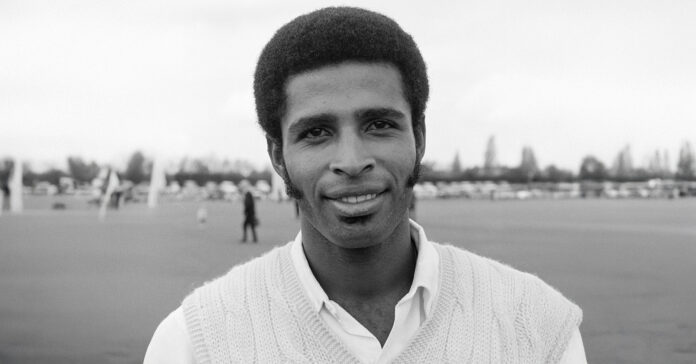
Bernard Julien

PORT OF SPAIN, Trinidad — The West Indies cricket community is mourning the passing of Bernard Julien, one of the region’s most gifted all-rounders and a proud member of the legendary team that captured the inaugural Men’s Cricket World Cup in 1975.

Julien, who combined elegance at the crease with guile and precision as a left-arm seamer, passed away on Saturday night at his home in Valsayn, north-west Trinidad, at the age of 75, a family member confirmed.

The outpouring of tributes from across the Caribbean spoke not only to Julien’s sporting brilliance but to the warmth of his character and the enduring mark he left on generations of players and fans alike.

Unified tributes for a cricketing pioneer

From Sir Clive Lloyd, his former captain and long-time friend, to Cricket West Indies (CWI) and the West Indies Players’ Association (WIPA), the tributes formed a single chorus of respect for a man whose career embodied both triumph and complexity.

Together, they hailed Julien as a cricketer of rare talent and deep integrity — a man who not only helped shape the West Indies’ early dominance in world cricket but also navigated the sport’s most challenging moral crossroads with humanity and grace.

Sir Clive Lloyd: “He always gave over 100 percent”

Leading the tributes, Sir Clive Lloyd remembered Julien as a dependable, selfless teammate and a cornerstone of the World Cup-winning side.

“He always gave you over 100 percent,” Lloyd recalled. “He never shirked his duties, and I could always rely on him with bat and ball. He gave his all every time … what a fine cricketer.”

The former West Indies captain also spoke fondly of Julien’s spirit and humility.

“We all had total respect for him. He enjoyed himself and was loved by everyone around. I remember we won the Test match at Lord’s and stood there signing autographs for a long time. He was good for us and was held in high regard everywhere we went.”

CWI: “A quiet legend of the 1975 World Cup”

In a moving statement, Cricket West Indies (CWI) President Dr. Kishore Shallow reflected on Julien’s dual legacy — his cricketing excellence and the social complexities that defined his era.

“The passing of Bernard Julien invites reflection on both the brilliance of his cricketing life and the complex times through which he lived,” Shallow said. “His career reminds us that the story of West Indies cricket is not only about triumphs on the field but about the choices and circumstances that shaped generations of players and the region itself.”

Shallow described Julien as “one of the quiet legends of the 1975 World Cup,” noting that the tournament — half a century ago — brought a sense of Caribbean unity and joy like no other.

“His skill and composure were central to that victory,” Shallow added. “To the family, friends, and loved ones of Bernard Julien, we extend our deepest condolences.”

WIPA: “We honor his lasting contribution”

The West Indies Players’ Association (WIPA) also expressed deep sorrow, extending sympathy to Julien’s family and loved ones.

WIPA president and CEO, Wavell Hinds, said: “WIPA expresses sincere condolences to the friends and family of former West Indies cricketer Bernard Julien. May you find strength and peace amid your grief. We honor Bernard Julien’s lasting contribution to the game we love; may his soul rest in peace.”

A career of brilliance and depth

Born in Carenage, Trinidad, in 1950, Bernard Julien’s cricketing journey began at 18, when he made his first-class debut. By 23, he was wearing the maroon cap for the West Indies on their 1973 tour of England — a series in which he announced himself with flair and authority.

At Lord’s, the “Home of Cricket,” he scored a magnificent 121 off 127 balls, sharing a record partnership with Sir Garfield Sobers, who remained unbeaten on 150. It was the kind of innings that signaled the arrival of a player of rare poise and power.

Two years later, Julien’s all-round brilliance shone again on the world stage. During the 1975 World Cup, he delivered match-winning spells of 4 for 20 against Sri Lanka and 4 for 27 against New Zealand in the semi-final at The Oval — performances that propelled the West Indies into the final, where they defeated Australia to lift cricket’s first world crown.

In total, Julien played 24 Test matches, scoring 866 runs at an average of 30.92 and taking 50 wickets at 37.36. In One-Day Internationals, he claimed 18 wickets at 25.72.

A complex chapter and an enduring legacy

Julien’s international career came to an early close following his participation in the 1982–83 rebel tours to South Africa — a decision that resulted in a life ban from West Indies cricket at the height of the apartheid boycott.

Dr. Shallow acknowledged the moral and personal struggles of that period, noting that such choices reflected “the difficult realities of that era and the pressures faced by players navigating competing demands of opportunity, conscience, and circumstance.”

Yet for all the turbulence, Julien’s contributions remain woven into the tapestry of West Indian cricket — his artistry with bat and ball, his quiet dignity, and his place among the pioneers who laid the foundation for future generations.

Remembering a gentleman of the game

For the Caribbean cricket family, Bernard Julien will be remembered as more than a statistic or a scorecard entry. He was part of the West Indies’ coming of age — a cricketer whose performances embodied a people’s pride and whose life mirrored the struggles and triumphs of his time.

As Sir Clive Lloyd put it, “He gave his all every time.”

That spirit — of effort, excellence, and enduring grace — is what will forever define Bernard Julien, one of West Indies cricket’s quiet giants.


 

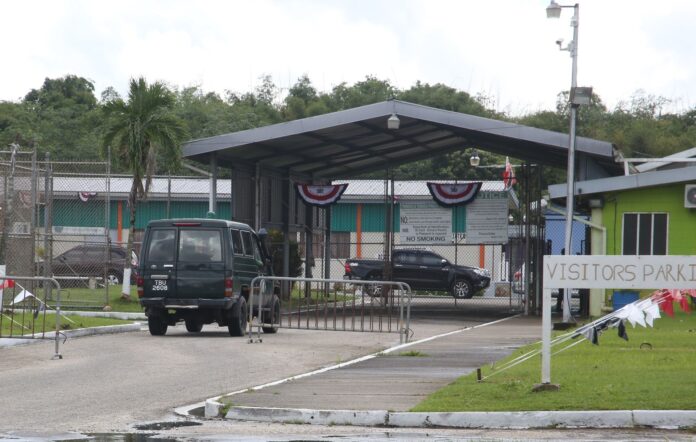
Trinidad Prison Chief reports over 600 drone drops bringing contraband into jails

Trinidad Prison

Acting Commissioner of Prisons Hayden Forde says more than 600 drone drops have been detected across Trinidad’s prisons between April and October this year, with the majority occurring at the Maximum Security Prison in Arouca.

Forde, speaking on a local television programme Monday, said the growing use of drones to smuggle contraband has become a serious challenge for prison authorities, adding that some officers are also complicit in the illegal activity.

“The greatest challenge that we face on a daily basis would be drone flights. Drone flights take place every single day,” Forde said. “So, the criminal realise that that’s a weak spot and they are actually using that to their advantage. Despite that we have officers who are intercepting some of those drops, the vast majority, obviously based on the flight patterns… we have not been able to intercept.”

He revealed that between April 4 and October 4, 2025, prison officials recorded 626 drone sightings, most of which occurred over the Maximum Security Prison — home to the largest population of remanded inmates.

Forde said that while officers have managed to recover some of the contraband, the prison system lacks the necessary technology and resources to effectively counter the problem. He also admitted that several officers have been aiding in the smuggling operations.

“We have several rogue officers who are operating in our system. Despite efforts to weed them out, they are still in our system,” he said. “They are complicit, and I am not going to hide that at all… as far as I am concerned they are gang members, they are part of a criminal network.”

The comments follow a recent joint operation in which police and prison officers arrested two people — including a 13-year-old boy — who allegedly attempted to fly a drone loaded with marijuana, cigarettes, wrapping paper, and cellphones into the Maximum Security Prison.

Forde said talks are ongoing with Minister of Homeland Security Roger Alexander on possible countermeasures, including anti-drone systems capable of detecting, disabling, or tracking the devices back to their operators.

“What is really needed are anti-drone devices that are in a fixed place, but can cover a certain radius and… detect it, capture it, defuse it,” he said. “It can send it back to the operator where the police can follow the drone and make an arrest if possible.”

The prison chief also expressed alarm over the involvement of minors in smuggling operations. “It seems as though they (criminals) are training people to get involved in criminal activities and continue on that line,” Forde said. “That is alarming to us as a society, because basically what they’re doing is succession planning… ensuring that crime is not abated in this country.”

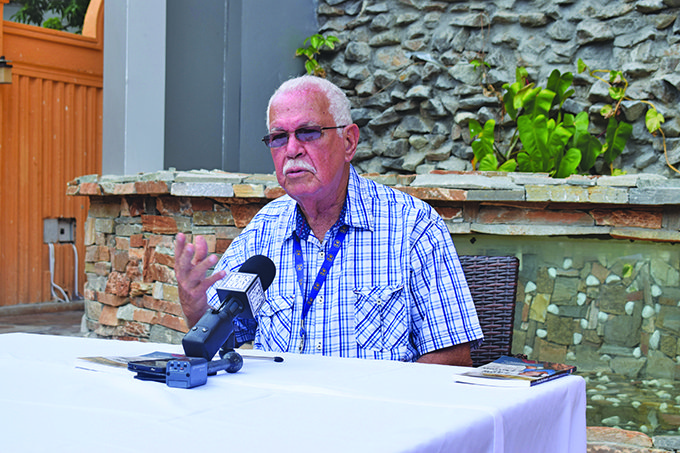
Cricket commentator Reds Perreira calls Nepal defeat a ‘self-inflicted blow’ to West Indies pride

Joseph “Reds” Perreira

GEORGETOWN, Guyana — Renowned cricket commentator Joseph “Reds” Perreira has sharply criticized Cricket West Indies (CWI) for fielding a senior men’s team against Nepal in last month’s T20 International series, arguing that the historic defeat has damaged the region’s cricketing reputation.

The Akeal Hosein-led side suffered a stunning 2-1 loss to the lower-ranked South Asians in the United Arab Emirates — a result that handed Nepal their first-ever victory over a full ICC member nation and sent ripples of disbelief through the global cricket community.

“A missed opportunity for development”

Perreira, who has chronicled West Indies cricket for over half a century, told Isports on i95.5 FM that the series should have been used to nurture emerging talent rather than risk embarrassment with senior professionals.

“We had beaten Nepal on the previous visit with an ‘A’ team led by Roston Chase. I didn’t see the need to put the West Indies’ good name on the line by picking the team that they picked,” he said.

Perreira argued that the match-up should have been treated as a developmental exercise, allowing young players to gain valuable exposure instead of sending established internationals.

“I would have gone, and I suggested it, with a development team. Some of the players they picked — younger ones like [Amir] Jangoo — made sense. But I wouldn’t have gone for [Jason] Holder, [Obed] McCoy, or [Kyle] Mayers. I would have gone with a development team and exposed a number of young men instead,” he explained.

The veteran analyst said the decision to prioritize short-term victory over long-term growth was misguided.

“They were more interested in winning the series than developing players, and I think they missed an opportunity. We’ve actually done Nepal a great deal of good — and they’ve done us a great deal of harm.”

Timing and preparation under fire

Beyond selection, Perreira also took aim at the logistical planning of the series, noting that the fixtures were scheduled uncomfortably close to the end of the Caribbean Premier League (CPL) season.

Players, he said, had little time to recover or prepare, traveling across multiple time zones before playing three matches in four days.

“It was just rush, rush, rush,” Perreira said pointedly. “If we had been able to agree with CPL to finish a week earlier, we wouldn’t have been in the kind of rush that we were. There was no camp — we left on the 23rd, and it was just too rushed. I don’t believe they were mentally prepared. It’s a long journey to Nepal, and their cricket has developed.”

“Why risk the good name of the West Indies?”

The respected broadcaster, who has witnessed the highs and lows of West Indies cricket for decades, expressed disbelief that such a fixture was allowed to unfold under those conditions.

“Why expose the good name of the West Indies to be embarrassed?” he asked. “Just maybe to get a victory to crow about.”

His comments echo the growing sentiment among regional fans and analysts who have questioned CWI’s scheduling priorities and player management strategies amid a broader push to rebuild West Indies cricket.

For Perreira, the issue goes beyond the scoreboard — it’s about vision, respect, and responsibility. The former giants of the world game, he implied, must choose their steps more wisely as they navigate a new era of rebuilding and renewal.


West Indies skipper warns of decline amid poor facilities and funding woes

The West Indies Cricket Roston Chase

West Indies captain Roston Chase has sounded a sobering call for greater financial and infrastructural support across Caribbean cricket, admitting that chronic shortcomings are undermining the region’s ability to compete at the highest level.

Speaking candidly after his team’s innings-and-140-run defeat to India inside three days at the Narendra Modi Stadium, Chase said the current state of the game in the West Indies reflects deep-rooted issues far beyond individual performances.

“There is obviously a struggle in the Caribbean for finances,” Chase lamented. “So whatever help we can get — if they are planning to get the help — I hope that we do get it, so that we could strengthen the infrastructure for the cricket.”

Beneath the defeat — cracks in the foundation

The West Indies’ latest collapse — bowled out for 162 and 146 in response to India’s 448 for five declared, featuring three centuries — has reignited scrutiny of the region’s domestic systems. Chase, who has been one of few senior figures to speak openly about structural issues, described the training environment as woefully inadequate.

“I think the systems in the Caribbean are a bit poor in terms of training facilities and stuff,” he said bluntly. “But I’m not using that as an excuse or something to hide behind the poor performances that we’ve been putting up lately.”

That self-awareness underscores a growing frustration among players who feel caught between limited resources and escalating global expectations.

A troubled year for West Indies cricket

The defeat in Ahmedabad is only the latest blow in a turbulent year. Earlier in the season, the team suffered a 3-0 home sweep by Australia, including an infamous 27 all out — the second-lowest total in Test history.

And beyond the red-ball arena, the T20 squad endured further embarrassment with a 2-1 series loss to Nepal, a result that sent shockwaves through the cricketing world.

Each result, Chase suggested, points back to the same root problems — inadequate pitches, slow outfields, and a lack of high-quality facilities that limit player development.

Hard to score when the grounds work against you

Chase explained how Caribbean conditions, rather than encouraging positive batting, have hindered the cultivation of long innings and consistent scoring.

“The pitches in the Caribbean are not really batsman-friendly, so guys don’t really bat for long periods and score those big scores,” he noted. “The outfields in the Caribbean are really slow, so when you hit the ball in the gaps and you think you have four, you probably end up struggling to get two.”

These persistent conditions, he suggested, not only restrict player confidence but also skew performance expectations when West Indies cricketers compete on faster, truer pitches abroad.

A plea for renewal

Despite the frankness of his assessment, Chase’s message was not one of despair but of urgency — a plea for administrators, governments, and regional stakeholders to recognize that rebuilding West Indies cricket requires more than talent alone.

The infrastructure, he insisted, must finally match the heritage.

“We’ve got the players and the passion,” he said. “But unless the systems improve, we’re going to keep falling short.”


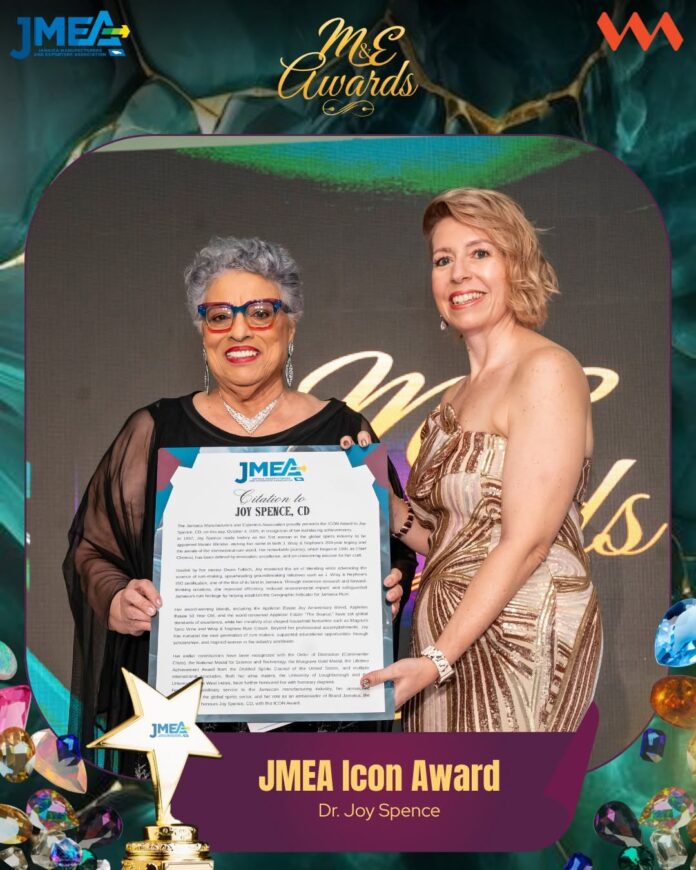
JMEA Annual Awards Gala celebrates rum pioneer Dr. Joy Spence

Joy Spence

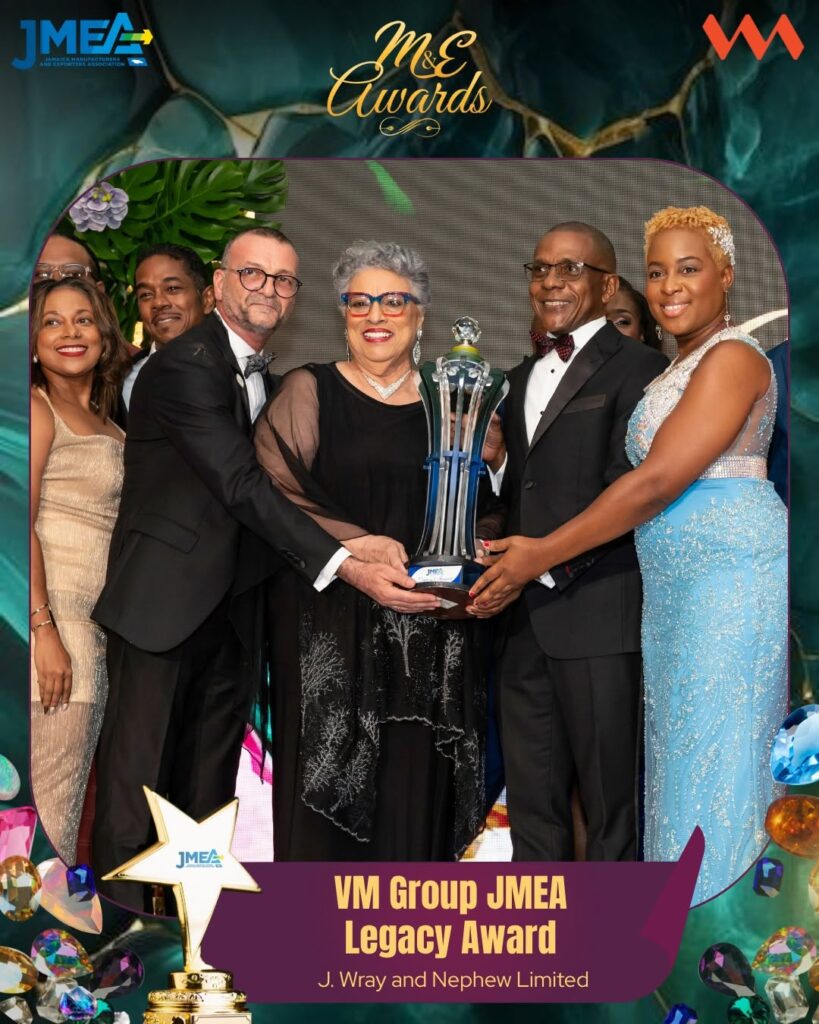
The ballroom of the Jamaica Pegasus Hotel sparkled on Saturday night as Jamaica’s top manufacturers, exporters, and industry innovators gathered to celebrate excellence at the Jamaica Manufacturers and Exporters Association (JMEA) Annual Awards Gala. The event, held in partnership with Victoria Mutual, was themed “Gems of the M.E.T – Bold Risk, Bright Innovations, Brilliant Growth,” highlighting the leaders and companies pushing the boundaries across the Manufacturing, Exporting, and Technology sectors.

The gala brought together an eclectic mix of dignitaries, business leaders, and innovators, all united by a shared commitment to Jamaica’s industrial and economic growth. From cutting-edge tech startups to long-established manufacturing powerhouses, the evening showcased the talent, creativity, and resilience driving Jamaica’s economy forward.

Among the night’s most prestigious accolades was the JMEA Icon Award, presented to Dr. Joy Spence, Master Blender at Appleton Estate, in recognition of her remarkable contributions to the rum industry and her role in elevating Jamaican products on the global stage.

A trailblazer in every sense, Dr. Spence was the first female master blender in the spirits industry. Born in 1951 in Manchester, Jamaica, and raised in Kingston by her adoptive parents, she discovered her passion for chemistry at the age of 13. She excelled academically, earning First Class Honors in chemistry at the University of the West Indies in 1972 and a master’s degree in analytical chemistry from Loughborough University in England.

Dr. Spence began her professional journey as a research and development chemist at Tia Maria before joining J. Wray and Nephew Ltd., the parent company of Appleton Estate. In 1981, she became Appleton Estate’s chief chemist, where she worked closely with master blender Owen Tulloch, honing her ability to differentiate and blend aromas—a skill often described as an exceptional “organoleptic talent.”

After 17 years of mentorship and collaboration, Spence was promoted to master blender upon Tulloch’s retirement. Her first creation in this role, a special rum blend commemorating Appleton Estate’s 250th anniversary, was met with international acclaim, establishing her as a leading innovator in the global spirits industry. Over her career, she has crafted bespoke blends for world leaders, including Ronald Reagan, Prince William, and Prince Harry, while serving as a brand ambassador for Appleton Estate, travelling extensively to promote Jamaican rum. She also manages technical and quality services at the distillery, ensuring every bottle meets the highest standards.

Dr. Spence’s contributions extend beyond craft and commerce. She played a pivotal role in securing geographical indication for Jamaican rum in 2016, safeguarding the industry’s heritage and providing international recognition of the country’s iconic spirit. Her list of accolades is extensive, including being named Commander of the Order of Distinction (2017), receiving the Musgrave Gold Medal (2022), and earning a Lifetime Achievement Award from the Distilled Spirits Council of the United States (2022). Appleton Estate has honored her legacy with tours named The Joy Spence Appleton Estate Rum Experience and special rum blends commemorating her 20th and 40th anniversaries as master blender.

The gala also celebrated other leaders and innovators across Jamaica’s manufacturing and exporting sectors, showcasing the ingenuity, resilience, and determination driving the country’s economy. The awards emphasized the theme of the night: recognizing bold risk-taking, bright innovation, and brilliant growth.

With events like the JMEA Annual Awards Gala, Jamaica continues to spotlight the talent, innovation, and leadership fueling its industries, inspiring the next generation of entrepreneurs and innovators to follow in the footsteps of trailblazers like Dr. Joy Spence.

St. Kitts and Nevis joins Regional Agricultural Insurance Programme

The St. Kitts and Nevis government has welcomed the inclusion of the twin-island Federation in the Regional Economical Agri-Insurance Programme (REAP), developed by the St. Vincent and the Grenadines-based Lynch Caribbean Brokers Ltd.

The announcement was made during the 19th Caribbean Week of Agriculture (CWA 2025), recently held in St. Kitts. Agriculture, Fisheries and Marine Resources Minister Samal Duggins described the initiative as a vital pillar for national resilience and regional innovation.

“Agriculture and fisheries remain at the heart of our nation’s food security, livelihoods, and economic resilience. Yet, farmers and fishers are increasingly vulnerable to risks beyond their control—climate change, unpredictable weather patterns, natural disasters, pests, and market volatility,” Duggins said.

Under the REAP project, local farmers and fishers will benefit from a regional insurance programme designed to reduce vulnerability to natural disasters, market shocks, and the growing impacts of climate change. The initiative, set to launch soon in partnership with the Ministry of Agriculture, Fisheries and Marine Resources, offers a flexible multi-peril parametric insurance model tailored for the agriculture and fisheries sectors.

Unlike traditional insurance systems that rely on individual loss assessments, REAP uses advanced index-based data and satellite monitoring to trigger payouts once pre-defined thresholds are met or surpassed. The coverage spans crops, livestock, and fisheries, providing comprehensive protection for producers across the Federation.

The government will cover the insurance premiums for all registered farmers and fishers. Once a payout index is triggered, beneficiaries are notified within two to three weeks, and payments are distributed directly per policy.

St. Kitts and Nevis is among nine Caribbean Community (CARICOM) countries that have signed onto the programme. St. Lucia officially launched REAP in July 2025.

Lynch Caribbean Brokers Managing Director Damian Bowen said the programme’s design was informed by extensive national consultations. “REAP’s development was the result of careful collaboration with key stakeholders during the first quarter of 2025,” he said. “Together with experts from the Ministry of Agriculture and members of the farming and fishing communities, we created a model tailored to real needs rather than abstract assumptions.”

In a statement, Lynch Caribbean Brokers Ltd added that “REAP is not a product on a shelf, it is an agri-insurance value chain in motion,” integrating technology, local expertise, and regional cooperation to build agricultural resilience.

Beyond financial protection, REAP will introduce livelihood protection measures, a national enrolment campaign, public education seminars, and digital dashboards aimed at improving transparency and data-driven decision-making across the sector.

Minister Duggins reaffirmed the government’s commitment to building resilience in agriculture and fisheries. “These tools are not luxuries—they are necessities that provide a safety net, ensuring that the men and women who dedicate their lives to feeding our people can recover quickly after shocks and continue their work without being pushed into financial hardship,” he said.

MSF reports sharp rise in civilian casualties in Haiti

One of the four MSF vehicles shot during an evacuation from Turgeau emergency centre in Port-au-Prince, Haiti, March 2025.

As Haiti’s capital descends further into chaos marked by violent clashes between armed groups and police forces, Médecins Sans Frontières (MSF) says the number of civilian casualties arriving at its facilities is surging.

Nearly two in five Haitians are in urgent need of medical care due to widespread insecurity and violence, yet 60 to 80 percent of Port-au-Prince’s health facilities remain closed or non-functional for the same reasons.

Between January and June 2025, MSF teams assisted 2,600 victims and survivors of sexual violence, admitted 13,300 patients to emergency rooms, and treated 2,267 victims of violence. Among these, 26 percent were minors—more than double the rate recorded in 2024. Most were under 15 years old, and one-third were girls. Thirty percent of all minors treated for violence-related injuries suffered gunshot wounds.

“These figures reflect the alarming deterioration of the situation in Haiti, where civilians, including women and children, are increasingly exposed to danger every day,” said Mumuza Muhindo Musubaho, MSF’s head of mission in Haiti. “Civilians must be spared by the parties to this conflict.”

The worsening violence was underscored on September 20, when MSF treated 17 wounded people following a drone attack in the Cité Soleil neighborhood. Among the casualties were two men who were dead on arrival and another who died during transfer. Ten women were also wounded—one of whom died en route to MSF’s trauma hospital in Tabarre—and three children who did not survive their injuries. Two additional women later died at the Isaïe Jeanty maternity hospital, where MSF is also active.

The violence stems from an ongoing territorial conflict, with entire communities trapped between explosive drone attacks and the brutal tactics of armed groups, who loot, burn homes, destroy neighborhoods, and increasingly use sexual violence as a weapon of control, punishment, and extortion.

MSF reports that about 18 percent of patients in its general healthcare programs in areas controlled by armed groups say they avoid using public transportation to seek care outside those neighborhoods for fear of being targeted.

The combination of restricted movement, armed attacks, looting, and a shortage of medical staff and supplies has crippled the healthcare system. Since 2024, hospital closures have left most residents without access to vital services. MSF’s trauma hospital in Tabarre has increased its bed capacity by 50 percent to meet rising demand, with 26 percent of its trauma cases linked to violence. Only one major public hospital—Hôpital universitaire de la Paix—remains operational in the capital, but it is often overwhelmed.

“This devastating context fuels a profound sense of abandonment among Haitians,” said Musubaho. “And, it must be said, the severe decline in healthcare availability – a crisis within the crisis – also leaves the few remaining humanitarian and medical actors with the impression of being overwhelmed by ever-growing needs.”

MSF reaffirmed its commitment to supporting the Haitian people and said it continues to work closely with the Ministry of Public Health and Population. The organization reiterated its call for the protection of civilians, healthcare workers, and medical facilities amid the ongoing violence.

Guyana commissions $262 million Bharrat Jagdeo Demerara River Bridge

Bharrat Jagdeo Demerara River Bridge

Guyana on Sunday evening commissioned the Chinese-funded US$262 million Bharrat Jagdeo Demerara River Bridge, with President Irfaan Ali describing it as the dawn of a new era of transformation for the country.

Ali announced that the new east-west river corridor would bear the name of Vice President Bharrat Jagdeo, who first became president in 1999 after then-head of state Janet Jagan stepped down for health reasons.

“Today, on behalf of a grateful people, I’m pleased to dedicate this bridge in the name of Bharrat Jagdeo. From this day forward, it shall be called the Bharrat Jagdeo Demerara River Bridge, because great men deserve recognition, because visionaries deserve legacies,” President Ali said.

He praised Jagdeo as “a man that has dedicated his life to the equipment of this country, a man who has been an advisor, an architect and an anchor in our development today,” adding that he wished to “pay tribute to a giant of our local politics and economy.”

The ceremony, held amid much pomp and fanfare, marked a major milestone in Guyana’s infrastructure drive. Ali said the new bridge will ease daily travel for thousands of commuters, ending long delays caused by the previous floating bridge, while spurring economic development on both sides of the Demerara River.

“Infrastructure is also a statement; it is a signal to the world that a nation is ready,” Ali said. “This bridge signals that Guyana is ready, ready to industrialise, ready to modernise, and ready to claim its space in the 21st century of the world’s economy.”

The new structure connects Regions Three and Four and will operate 24 hours a day. It replaces the decades-old floating bridge and features four lanes. Ali said the bridge was financed through “the deliberate reinvestment of our national resources,” noting that oil revenues were being used to create infrastructure that benefits all Guyanese.

“This bridge is proof that our resources are not squandered but reinvested into the future of our country,” he said.

China’s Ambassador to Guyana, Yang Yang, said the project represents the deepening partnership between Guyana and China under the Belt and Road Initiative.

“Undoubtedly, this project is not only a bridge of steel and stone, but also a bridge of friendship between China and Guyana, a milestone in the high-quality Belt and Road cooperation we are building together,” Yang said.

Constructed by China Railway Construction Corporation Limited, the bridge is designed to last 100 years. It spans 2,798 meters (1.7 miles) and features a 50-meter fixed high-span that allows uninterrupted passage for vessels up to the Handymax class.

Public Works Minister Juan Edghill said the project adhered to international standards, including AASHTO, ASTM, and ISO benchmarks. Beneath the structure are 658 piles driven deep into the riverbed, with the main towers anchored by 76 piles each—measuring nearly eight feet in diameter and driven 400 feet deep.

“The New Demerara River Bridge is a modern, four-lane, high-span, cable-stayed structure designed to accommodate both vehicular and pedestrian traffic with the highest standards of safety and efficiency,” Edghill said.

Construction began on December 22, 2022, marking just under three years to completion.

Bahamas Police seize $12.3 million in cocaine during weekend operations

caribbean drugs

Bahamas Police seized $12.3 million worth of cocaine during two separate operations over the weekend, authorities confirmed.

On Saturday evening, two men were arrested on Cat Island after they were found with $7.8 million worth of cocaine, police said yesterday.

“It was a joint operation involving drug enforcement officers, DEA, and local officers on Cat Island,” Head of the Drug Enforcement Unit Superintendent Wendy Pearson said yesterday at Odyssey Aviation.

“While onboard a US helicopter on the southern tip of Cat Island, [we] observed two males in low-lying bushes along with a number or crocus sacks.

“As a result of that, the officers landed where they proceeded into the low-lying bushes where they detained two males.

“They then checked those crocus sacks [and] discovered that each of those sacks contained a number of kilo packages of suspected cocaine.”

Pearson said the men, ages 42 and 37, were arrested and taken to New Providence. The drugs weighed 359 kilograms.

Then, on Sunday, police, Customs officers and US officials searched a container at a shipping port in Grand Bahama and found $4.5 million worth of cocaine. No arrests were made in that matter. The drugs weighed 181 kilograms.

According to US officials, cocaine seizures in the region have increased since 2021. In The Bahamas, between 2017 and 2020, police seized 2,461.37 pounds of cocaine. Between 2021 and 2024, that figure jumped to 13,479.36 pounds.

Last month, during his confirmation hearing to become US ambassador to The Bahamas, Herschel Walker said the rise in smuggling in The Bahamas poses a significant threat to the United States. He said tackling the growing problem requires cooperation between the Bahamian and US governments.

Minister of National Security Wayne Munroe has pushed back against Walker’s concerns about increased drug smuggling, noting that drug interdictions have risen since 2021. He added that the Davis administration recently equipped the force with four go-fast interceptor boats to combat illegal activity.

In 2024, 11 Bahamians, including three senior Bahamian law enforcement officers, were indicted in the US on charges of conspiracy to import cocaine into the United States, possession and use of firearms, and firearms conspiracy.

“The increase in cocaine flow through The Bahamas has been a direct result of drug-fueled corruption that has infected various Bahamian institutions,” the indictment states.

“More specifically, since at least in or about May 2021, corrupt high ranking members of the Royal Bahamas Police Force and other Bahamian government officials have worked with Colombian and Bahamian drug traffickers to facilitate the receipt, protection and safe passage of massive cocaine shipments through the airports and ports of The Bahamas.”

Though the three officers were arrested in the US and are now awaiting trial, no investigation was launched in The Bahamas.

Miami Carnival connects art, culture and community

Miami Carnival

Every fall, Miami opens its doors to the world of art, creativity, and culture. From museum walls to outdoor murals, performance stages to city streets, the Greater Miami Convention & Visitors Bureau’s Fall for the Arts season (October–December) celebrates the many ways art takes shape in the Magic City.

And nowhere is that creativity more alive than at Miami Carnival.

On Sunday, October 12, the Parade of Bands and Concert will transform the Miami-Dade County Fairgrounds into a moving masterpiece of color, rhythm, and storytelling. Masqueraders in handcrafted costumes bring their band themes to life with precision, artistry, and pride. Behind them, trucks echo with the pulse of soca and steelpan, reminding everyone that Caribbean culture has always been both performance and poetry. It is a vibrant reminder of the Caribbean’s enduring influence on Miami’s cultural heartbeat.

Miami Carnival

Beyond the road, the artistry continues. More than 50 food vendors serve up flavors from the Bahamas, Jamaica, Haiti, Trinidad & Tobago, Guyana, and the Dominican Republic. Local artisans and small businesses fill the Arts & Crafts Village, while families gather in cultural spaces that connect generations through creativity, music, and movement.

For visitors taking part in Fall for the Arts, Carnival Sunday offers a different kind of gallery—one without walls, where every dancer, designer, and drumbeat tells a story of migration, memory, and belonging. It is where the Caribbean diaspora paints Miami in its truest colors.

From Little Haiti to Liberty City, from Wynwood to the Design District, Miami’s neighborhoods reflect that same creative energy, each one adding to the mosaic of what makes this city a global cultural capital.

Miami Carnival

As Fall for the Arts spotlights performance, design, and visual storytelling across Greater Miami and Miami Beach, Miami Carnival stands as the living art form that connects them all. It is a reminder that culture doesn’t just hang in galleries or play on stages. It moves through people.

Nayana Williams honored with leading female award at JMEA Awards

JMEA Awards

On Saturday, the Jamaica Manufacturers and Exporters Association (JMEA) held its prestigious annual awards ceremony in Kingston, where Nayana Williams was celebrated as the recipient of the Scotiabank Woman in Manufacturing and Exporting Award for her remarkable contributions to the manufacturing sector.

The event, attended by industry leaders, dignitaries, and innovators, recognized outstanding achievements in the Jamaican manufacturing and export community. Nayana is the founder and CEO of Lifespan Spring Water, a 20-year-old bottled water company headquartered in Portland, Jamaica. Williams’s recognition as the Leading Female Awardee highlights her role as a trailblazer and champion of excellence in manufacturing, setting new standards for leadership and innovation.

“I am deeply honoured to receive this award from the JMEA,” said Williams.

“This recognition is a testament to the hard work and passion of my team, and to all women who continue to break barriers and drive progress in the manufacturing industry of Jamaica,” Williams added.

Williams’s leadership has been instrumental in advancing the manufacturing sector, fostering sustainable business practices, and creating opportunities for growth and empowerment within the community. Her dedication has inspired many, particularly women and young professionals aspiring to make their mark in the industry.

The JMEA Leading Female Award is presented annually to an individual who demonstrates outstanding leadership, innovation, and commitment to the advancement of Jamaican manufacturing. Williams’s achievement not only celebrates her personal accomplishments but also underscores the vital role women play in shaping the future of Jamaica’s industrial landscape.

The JMEA extended heartfelt congratulations to Nayana Williams on this well-deserved honour and looks forward to witnessing her continued impact on the sector and the nation at large.

Jamaica crowned Caribbean’s leading destination at 2025 Caribbean World Travel Awards

Pictured: Trudy Dixon, Caribbean Sales Manager (1st L), Jamaica Tourist Board receives Jamaica’s Destination Awards from Graham Cooke (1st R), Founder of the World Travel Awards (WTA), while flanked by ushers, at the World Travel Awards Caribbean and North America Gala Ceremony on October 4, 2025, in St. Lucia.

Jamaica has once again received widespread recognition at the 2025 Caribbean World Travel Awards, further cementing its reputation as a premier tourist destination in the region.

The island was named Caribbean’s Leading Destination for the nineteenth time, a testament to its sustained excellence in hospitality and tourism.

The annual World Travel Awards, often described as the “Oscars of the travel industry,” celebrate outstanding performance across hotels, airlines, destinations, and hospitality services. Jamaica’s multiple accolades this year underscore the nation’s commitment to quality, innovation, and delivering memorable visitor experiences.

“Jamaica continues to punch above its weight by surpassing expectations in its hospitality delivery,” said Hon. Edmund Bartlett, Jamaica’s Minister of Tourism. “These accolades underpin the excellent contribution of our people, who are at the heart of the sector. We are truly grateful for this recognition and proud as we are on the cusp of welcoming five million visitors to our shores and earning US$5 billion for our economy.”

Among its top awards, Jamaica was named Caribbean’s Leading Cruise Destination and Caribbean’s Leading Destination, while key partners in airport, cruise, and hotel categories also received recognition for their contributions.

“Our island continues to be top of mind through our authentic tourism experiences, from food to music, and this recognition cements Jamaica as a top-tier destination,” said Donovan White, Jamaica’s Director of Tourism. “Thanks to all our partners who have worked hard to remain consistent and unique.”

The awards highlight the value of ongoing investment in transport infrastructure, visitor convenience, and service excellence. Recognition across hotels, resorts, villas, and travel agencies demonstrates that Jamaica’s hospitality sector is thriving across the full spectrum of tourism offerings.

With this continued success, Jamaica reinforces its position as a world-class destination for travelers, cruise lines, and international markets alike.

Future Fambo ‘grateful to be alive’ after heart attack; talks new music

Future Fambo

“Rum & Redbull” dancehall DJ Future Fambo is thankful to be alive after he suffered a mild heart attack in New York on Sunday. The DJ thanked God for preserving his life and said the heart attack reminded him of the importance of eating right and trusting in God.

Speaking by telephone to Caribbean National Weekly from NY, the DJ joked about not going to the hospital.

“This is New York, so the hospital comes to you,” he revealed.

He confirmed he was recovering and thanked God for his mercies.

“I’m feeling much better now. I thank God for saving my life. I ate and drank some orange juice and water. I plan to drink less alcohol now, as you can’t drink and not eat good food. It will mash you up,” he shared.

Two years ago, Fambo revealed that he was suffering from diabetes after concerned fans began asking about his health and his weight loss. He eventually opened up about his brief stay in rehab, thanking Sean Paul for his support. Speaking about his recent collaboration “Never Know How She Gets So Wild’ with Ras Emmanuel, Fambo said the video and song have been gaining traction on radio and streaming platforms.

“Yeah, the song with me and Ras Emmanuel is trending now,” he said. “But you know, because it’s not glorifying badness, abortion, or things like that, it takes time before people accept it. In some people’s minds, culture music nuh relevant. It is slow out the block,” he informed.

Ras Emmanuel, who spoke with Fambo moments after the heart attack, is upbeat about their collaboration as well. The song was released this past summer.

“The video for the song is doing very well, thanks to rotation on the radio,” Emmanuel disclosed.

Emmanuel, however, admitted that his biggest concern right now is the well-being of his friend Fambo.

“When I spoke to him, he was in a great spirit. He was grateful for life. I advised him to just take it easy and follow up with his doctor’s visits,” he shared.