There is no singular, easy answer to that question. Jamaica is a nation of very diverse people, even though demographically, it’s predominantly people of African descent. As have been displayed repeatedly since the nation gained independence in 1962, it’s not only that Jamaicans are diverse in skin color and original ethnicity, but in attitude. So much so, no one could be blamed for changing the national motto from “Out of Many One People” to “Out of Many One Mixed-Up People.”
Even as the nation recently commemorated the 186th anniversary of emancipation from slavery on Emancipation Day, August 1, and celebrates its 58th independence anniversary on August 6, its people persist in displaying “mixed up moods and attitudes” symptomatic of a people still searching for their inherent identity.
This seeming lack of real identity came to fore ironically on Emancipation Day when it was reported that the Jamaican Supreme court handed down a ruling supporting a rural primary school banning a young girl from attending that school because she wears dreadlocks.

The matter started from some two years ago when the school claimed dreadlocks were against the school’s policies. When the child’s parents resisted the ruling, local human rights group Jamaicans for Justice (JFJ), rallied to their support and obtained an order prohibiting the school’s board from blocking the girl’s admission. The JFJ claimed the school’s decision violated the girl’s constitutional rights.
But the Court ruled otherwise.
The school, like any other entity in Jamaica, has the right to set policies related to code of dress and conduct, but it’s alarming when these codes run counter to what seems like the current norms of the country.
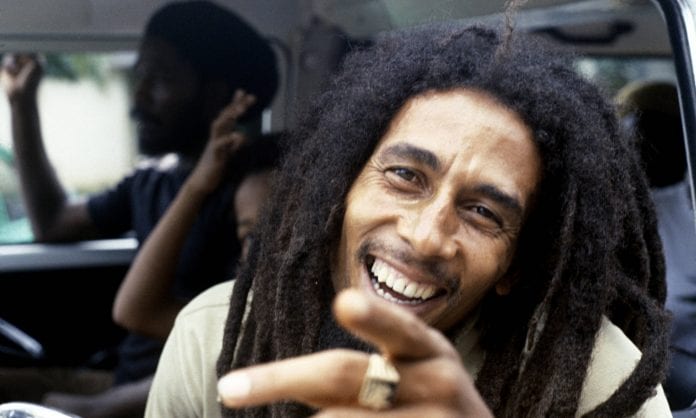
Increasingly, influenced by the Rastafari religion and movement, Jamaicans, whether believing in the religion or not, have worn their hair uncut, grown into long locks, commonly referred to as dreadlocks. The hairstyle is extremely popular among Jamaican entertainers. Late entertainers like Bob Marley, Peter Tosh, Jacob Miller, and Dennis Brown were famous for flashing their locks as they performed on stage.
Dreadlocks are not uncommon with Jamaicans and non-Jamaicans alike—in Jamaica and overseas, including here in the U.S. However, there is still a stigma attached to the hairstyle.
It’s no secret there is a history of discrimination against practitioners of Rastafari and one of their identifiers—dreadlocks—entwined in the nation’s unfortunate class system. Dreadlocks are found to be more associated with the lower socio-economic class than the upper class. The few upper-class Jamaicans wearing dreadlocks do so basically as a fashion statement.
Despite the phenomenal popularity of Bob Marley since his death in 1981, when he was performing in Jamaica in the 70s, he was described by the monied class as a “dutty Rasta bwoi.” People wearing dreadlocks were looked at scornfully and suspiciously and were not generally accepted.

Unfortunately, there are remnants of this sentiment today. Many upper-class Jamaicans are still vehemently opposed to having their sons or daughters date or marry a person with dreadlocks—a sentiment described so eloquently in reggae artist Proteje’s song “Rasta Love” which features Kymani Marley. This is compounded, especially if they come from an economically depressed community or a rural town.
Ironically, people follow and cheer entertainers and athletes who wear dreadlocks but will block people who wear them from attending some schools and workplaces. They sometimes even harshly criticize or try to deny them advancement in their professions, regardless of merit.
To underscore this point, there’s currently in Jamaica, a politician representing the opposition party, a very bright and eloquent man, who is often described as the “Rasta bwoi.” There is little doubt that this moniker related to his hairstyle has cost him political advancement.
There’s rampant hypocrisy running through the Jamaican society that is clouding the real identity of its people. Many appear to support Africanism and the attributes of their African heritage, while simultaneously trying to distance themselves from the physical identifiers—foregoing their natural hair for relaxers, wigs and weaves and taking great effort to “bleach” or lighten or their skin tones.
Jamaican dialect or patois is assumed to be commonly associated with the Jamaican identity, but there are Jamaicans who strongly frown upon speaking patois, or having it spoken in their home.
Interestingly, it’s reggae music, Rasta culture and the Jamaican dialect that have made Jamaica a cultural powerhouse around the world. It’s a pity that there are Jamaicans, still content with their colonial lot, who continue to oppose the things that make the island and its people unique.
It is certainly hoped that the Jamaican government, as expressed by the prime minister, take immediate steps to avoid Jamaican students being marginalized for their hairstyle or any other cultural norms. But, in the meantime, it’s necessary to identify, acknowledge and embrace the Jamaican identity.