Opinion: Is Mia Mottley the most effective Caribbean leader or just the most outspoken?
Key Points(5)
- Barbados’ Prime Minister Mia Mottley is currently one of the more prominent Caribbean leaders.
- There are strong arguments both for her being extremely effective and particularly outspoken on the world stage.
- Her government has also been bold on global matters, including support for a ceasefire in the Israel-Palestinian conflict in Gaza, criticizing Israel for its relentless attacks on Gazans, and support for a Palestinian state co-existing with the state of Israel.
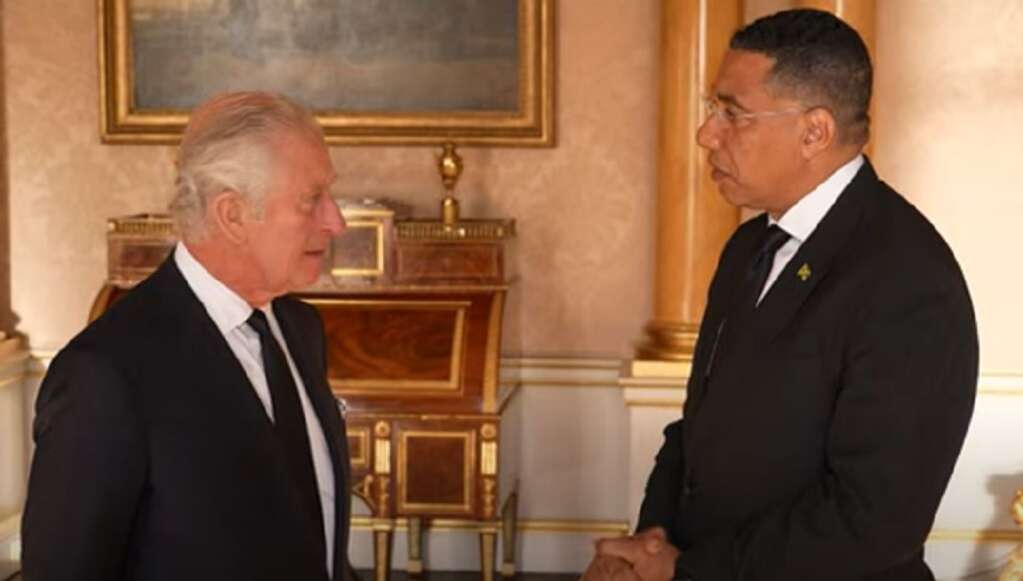
- Mottley’s approach contrasts starkly with, for example, the more cautious approach of Jamaica’s Prime Minister Andrew Holness and his administration.
- The Jamaican government, at two successive annual meetings of the UN’s General Assembly, was absent during key votes, one pertaining to the Israel/Gaza war, and the other regarding Palestine’s leader speaking at the UN.
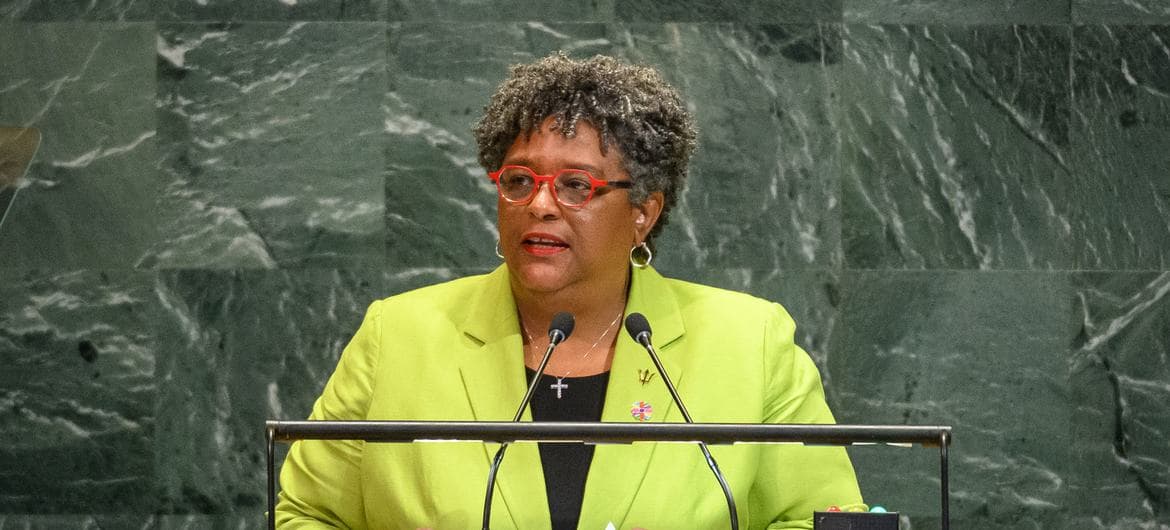
Barbados’ Prime Minister Mia Mottley is currently one of the more prominent Caribbean leaders. There are strong arguments both for her being extremely effective and particularly outspoken on the world stage. While other world leaders were noticeably conservative, even cautious, in their individual addresses at the recent meeting of the General Assembly of the United Nations, PM Mottley was, as has come to be expected, very bold in her approach, calling on the world’s developed countries, including the United States, to focus more on assisting in the development of smaller nations, particularly in the area of climate change.
Her government has also been bold on global matters, including support for a ceasefire in the Israel-Palestinian conflict in Gaza, criticizing Israel for its relentless attacks on Gazans, and support for a Palestinian state co-existing with the state of Israel. Mottley’s approach contrasts starkly with, for example, the more cautious approach of Jamaica’s Prime Minister Andrew Holness and his administration. The Jamaican government, at two successive annual meetings of the UN’s General Assembly, was absent during key votes, one pertaining to the Israel/Gaza war, and the other regarding Palestine’s leader speaking at the UN.
Mottley’s courageous and bold style of speaking on the international stage has endeared her to many within and outside the Caribbean, regarding her as the region’s most effective leader.
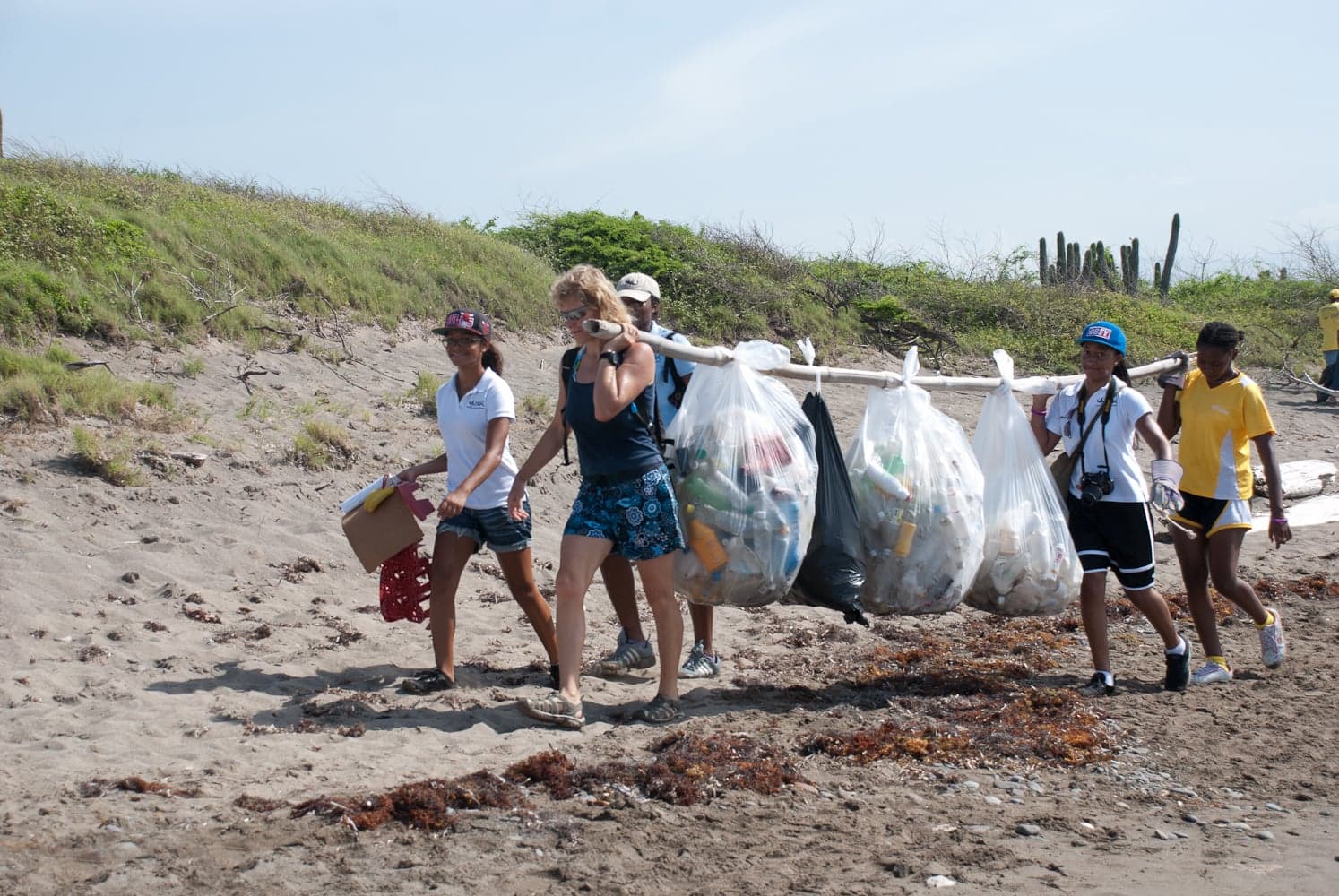
Mottley, aside from gaining notoriety for her bold and frank voice, has backed this up with key achievements under her leadership in Barbados since taking office in 2018. Among her more outstanding achievements is her work on climate change. She has pushed a plan to phase out fossil fuels in Barbados by 2030 and has initiated another program for Barbados to plant more than one million trees to enhance resilience and food security, engaging citizens in environmental restoration.
Internationally, she has helped to lead regional and global initiatives, like the Bridgetown Initiative, calling for reform of the international financial architecture to better serve, among others, small island developing states vulnerable to climate change.
Her government has reduced Barbados’s debt-to-GDP ratio from very high levels through renegotiation of debts and creative financial instruments. Despite economic shocks caused by storms, COVID-19, and dependence on tourism, Barbados has shifted toward economic diversification through solar and green energy, as well as the digital economy.
Under Mottley’s leadership, Barbados promptly transitioned to being a republic, cutting ties with the British monarchy—something very meaningful for Barbados’ national identity and sovereignty.
Mottley’s style of leadership is blatantly visible. She doesn’t shy away from addressing global inequality, colonial legacies, climate justice, among other issues. This has given Barbados and the Caribbean more voice on the global stage.
All this suggests she’s more than just an outspoken speaker. She combines visible international advocacy with concrete policy and has won strong electoral mandates.
But being vocal doesn’t always equal effectiveness, and there are limits and criticisms. Some people are unhesitant in pointing out that Barbados is small, which sometimes makes ambitious policies easier—or more visible—than in larger nations. Small island economies are vulnerable to external shocks like hurricanes, climate disasters, dependence on tourism, and global supply chain issues. Even with strong leadership, those vulnerabilities limit success.
Some critics argue about pace, implementation, or whether promises always match outcomes, especially when international funding or cooperation is required. So, while Mottley’s outspokenness helps her bring global attention to issues like climate justice, reparations, and global inequality, that isn’t a guarantee of success. She needs tools, resources, and cooperation to back up the rhetoric, her critics argue.
Comparison is often made between Mottley and Jamaica’s PM Holness, who recently led his Jamaica Labour Party to a historic third consecutive term. Despite criticism from his political opponents, Holness has also made significant achievements.
Under Holness, Jamaica has made credible strides in improving some macroeconomic fundamentals. For example, the debt-to-GDP ratio has been reduced, employment has improved, and inflation has become more stable. His administration raised income tax thresholds, cut certain taxes like the GCT on electricity, increased the minimum wage, invested heavily in infrastructure development, and initiated social safety net programs.
But social problems like crime remain a big issue in Jamaica, and while improvements exist, they're not uniform. Public perception still sees insecurity, corruption, and inequality as major problems. The scale of Jamaica’s socio-economic challenges is large. Issues like social and economic inequality are persistent deficits, which easily make big wins in one area offset by persistent problems in others.
Mottley and Holness have made significant achievements, but when one prioritizes international visibility, climate advocacy, moral leadership, and exemplary policies addressing small-island vulnerabilities, Mottley is arguably near the top.
Mia Mottley is a very effective leader in terms of agenda-setting and combining internationally relevant causes with domestic policy wins. Whether she is the most effective Caribbean leader depends on what people value. But her bold outspokenness creates the perception that she’s the beacon of Caribbean leadership. She effectively pairs strong domestic performance with exceptional international advocacy. She has elevated Barbados, and by extension, the Caribbean, onto the world stage more than any regional leader since perhaps Eric Williams or Michael Manley.