Navigating Haiti’s Violence Challenge: No Easy Fix

Key Points(5)
- <span style="font-weight: 400;">It's been more than a year since Haiti's interim Prime Minister, Ariel Henry, called on the United Nations for urgent assistance.
- He requested a specialized armed force to tackle Haiti's growing security crisis, and since then, the situation has only worsened.
- </span> <span style="font-weight: 400;">It seemed a multinational military intervention would have been inevitable after UN Secretary General Antonio Guterres backed Henry's demand.
- However, this did not materialize.
- </span> <h2><span style="font-weight: 400;"><strong>Haiti's growing security crisis: urgent calls for international assistance</strong></span></h2> <span style="font-weight: 400;">Ruthless gangs now terrorize the country, committing thousands of murders, rapes, and kidnappings.
It's been more than a year since Haiti's interim Prime Minister, Ariel Henry, called on the United Nations for urgent assistance. He requested a specialized armed force to tackle Haiti's growing security crisis, and since then, the situation has only worsened.
It seemed a multinational military intervention would have been inevitable after UN Secretary General Antonio Guterres backed Henry's demand. However, this did not materialize.
Haiti's growing security crisis: urgent calls for international assistance
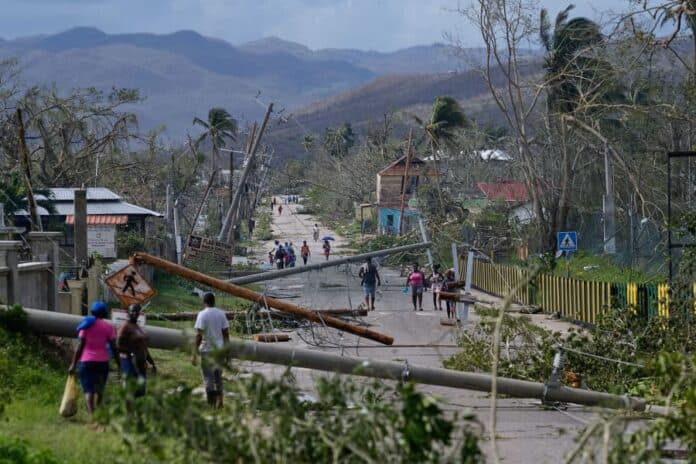
Ruthless gangs now terrorize the country, committing thousands of murders, rapes, and kidnappings. They've also disrupted the distribution of essential supplies like fuel and food, causing widespread chaos and hunger.
A few weeks ago, Guterres reiterated the call, urging the UN Security Council to approve such an intervention. Kenya, Jamaica, The Bahamas, and Antigua have all declared their commitment to joining an international mission aimed at bringing peace and stability to Haiti. According to a US Department of State official, 12 countries are now on board.
UN approves intervention: what lies ahead for Haiti?
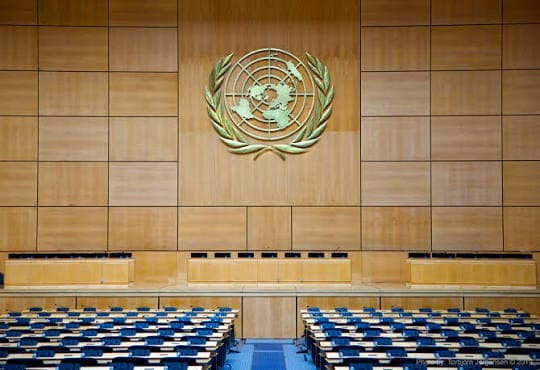
Just this Monday, the UN Security Council made a significant decision. They voted in favor of sending an international force, led by Kenya, to Haiti. This mission is set to last for an initial period of one year, with a review scheduled after nine months. While the deployment date is yet to be confirmed, it's anticipated to occur in the coming months.
The US has pledged its support to the mission, offering logistical assistance that includes $100 million in funding and medical aid. In addressing the crisis, UN Secretary-General Guterres proposed two potential avenues for UN involvement: providing support to both the multinational force and Haiti's police, or bolstering an existing UN political mission in Haiti.
As security conditions in Haiti continued to deteriorate in the past year, the Caribbean Community (CARICOM) took a proactive stance. They formed the Eminent Persons Group (EPG), led by former prime ministers from Jamaica, St. Lucia, and the Bahamas – Bruce Golding, Dr. Kenny Anthony, and Perry Christie, respectively. This group has been actively engaged in visits to Haiti to have discussions with Prime Minister Henry and other stakeholders, all in pursuit of viable solutions to the crisis. Despite these ongoing dialogues, the challenges posed by the gangs persist.
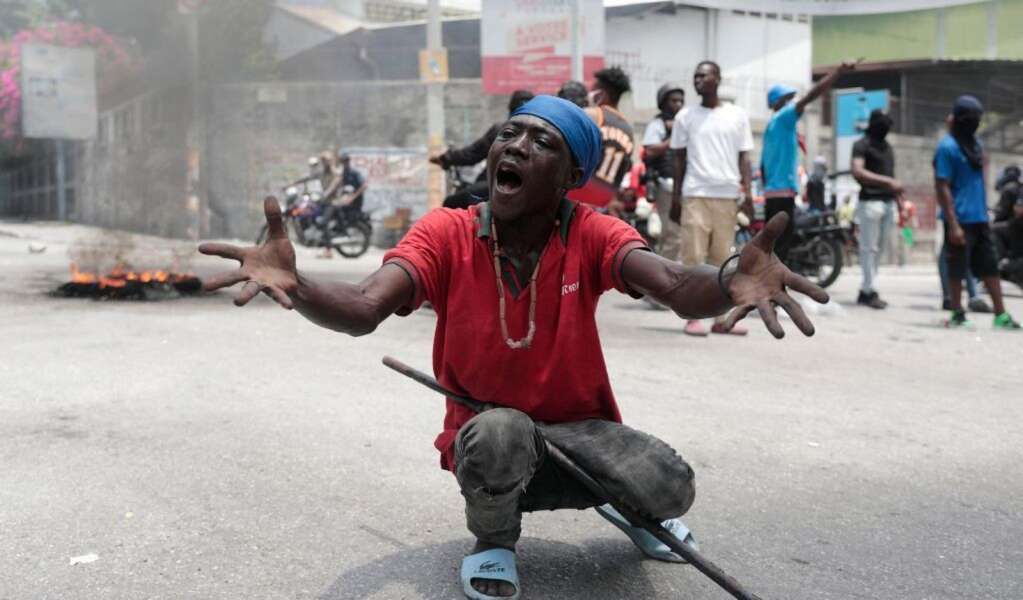
Haiti's gang problem: a daunting obstacle to peace and stability
Guterres remains resolute in his belief that international intervention must employ force to eliminate the threat posed by these gangs. In a written statement to members of the Security Council he stated:“Haiti's current context is not conducive to peacekeeping. Nothing short of the robust use of force, complemented by a suite of non-kinetic measures, by a capable specialized multinational police force enabled by military assets, coordinated with the national police, would be able to achieve these objectives.”
Although a large portion of the international community is in favor of intervening in Haiti to dismantle organized gangs, tey are understandably wary of armed involvement. They believed it would back the Henry government, which is regarded by many Haitians as unconstitutional. A group of Haitian gangsters recently marched into the nation's capital, Port-au-Prince, with the intention of ousting Henry.
Haiti has witnessed numerous international interventions over the years, often spearheaded by the US. While these temporarily restored some semblance of order, the longstanding issues of chaos and disunity resurfaced upon their departure. The US appears to have learned this lesson, as evidenced by their hesitation to join the upcoming multinational force.
Still, it remains challenging to envision a scenario where a violent confrontation can be avoided, even if the primary objective of these interventions is peacekeeping. It is undeniable that the heavily armed criminal gangs in Haiti will vehemently oppose the intervenors, setting the stage for a potentially rapid escalation of hostilities.
The path to peace: balancing forceful intervention and democratic elections
Haiti's current situation is a clear conundrum. CARICOM's EPG aims to foster a consensus among Haitian stakeholders to form an interim government, paving the way for future elections. However, the feasibility of establishing a transitional government within the current environment appears quite slim. Thus, gaining control of and demolishing these gangs must immediately become the top priority.
Precious time was wasted in deciding to have international intervention into Haiti. During this time, the gangs have only grown in strength and influence, becoming an even more menacing force, while brazenly challenging Haitian law enforcement. To revitalize a stable government and business sector, enabling ordinary citizens to resume their daily lives in peace, the restoration of security must be reestablished.
This seems to require intervention by an external, international force. The big questions arising now, are:
How will the gangs react to this intervention? If, as expected, they react with force, how effective will the international coalition be in quelling this aggression? How will they manage to establish law and order with minimum bloodshed?
And, of course, how will they create a favorable environment for conducting elections that most Haitians will support?