Alarming waves of violence in Jamaican schools: An educator’s grave concern
Key Points(5)
- The two incidents occurred within one week of each other and were a social media sensation because of the rapid sharing, distribution, and discussions among other concerned individuals. </p> <!-- /wp:paragraph --> <!-- wp:paragraph --> <p>First, as fight #1 appeared early last week.
- I reflected deeply to try and recall if I had ever seen this before, where one student stomped on the head of another.
- I couldn't find any such incident in my past.
- Questions flew around in my head about why one child in school thought it was okay to repeatedly stomp on another person's head.
- Where did that come from?
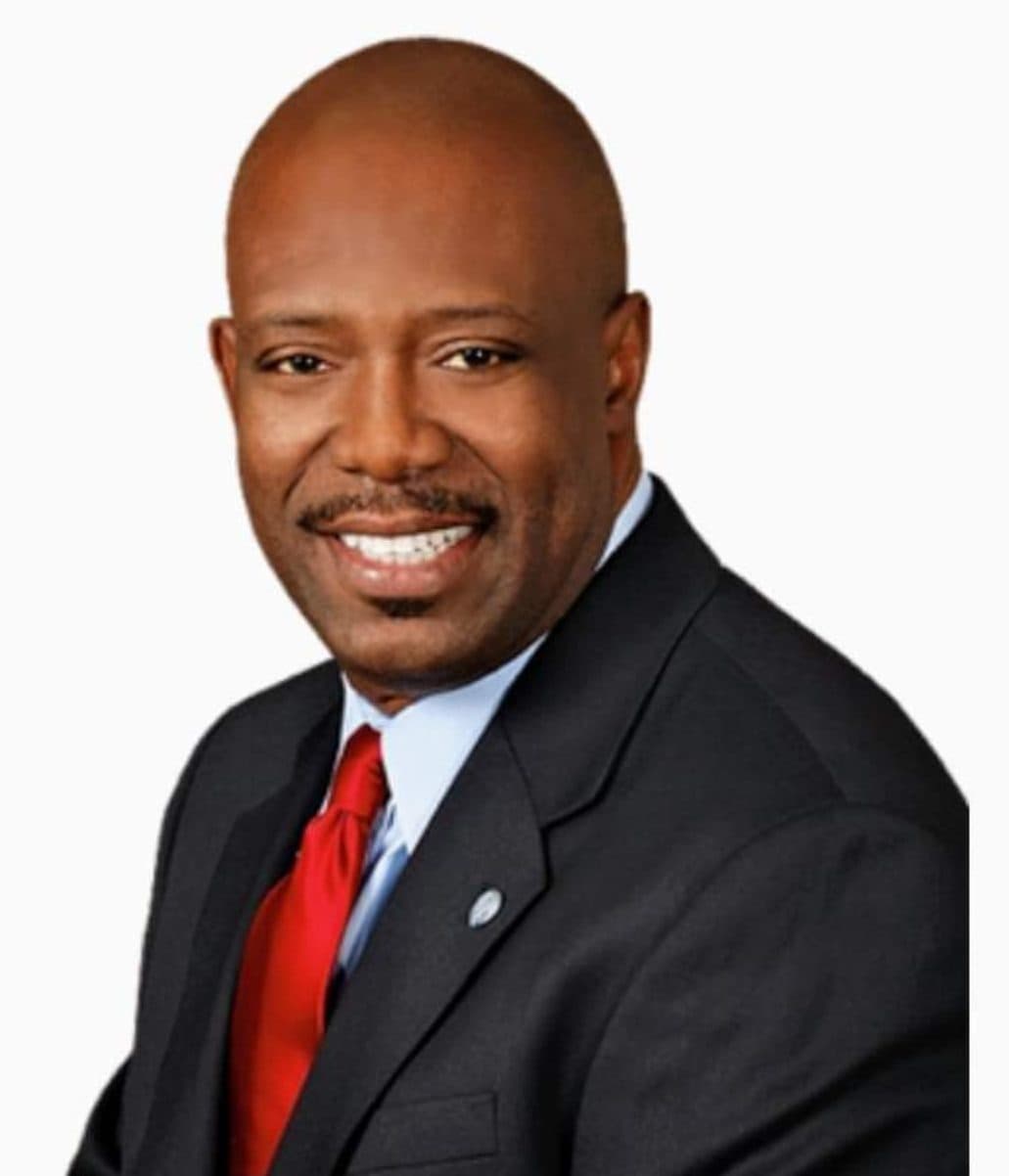
-Leo Gilling
Against the backdrop of two separate school incidents in Jamaica, including students at two different schools, I write this article as a concerned educator who truly cares about the teaching-learning environment. The two incidents occurred within one week of each other and were a social media sensation because of the rapid sharing, distribution, and discussions among other concerned individuals.
First, as fight #1 appeared early last week. I reflected deeply to try and recall if I had ever seen this before, where one student stomped on the head of another. I couldn't find any such incident in my past. Questions flew around in my head about why one child in school thought it was okay to repeatedly stomp on another person's head. Where did that come from? How did we arrive here?
I didn't have enough time to finish thinking and researching for answers on the first incident before I saw a video clip of a woman in white being carried away off a school campus. She broke loose from her escorts, turned around, and rushed back toward some students standing on the patio at what seemed to be the front of the school. The woman was in white, obviously an adult, and got what it appeared, what she deserved: a flurry of kicks and thumps by a swarm of other students. Though I had some sense of poetic justice, I also wondered what transpired before. I don't even know if I care what precipitated this fracas. The adult response should not be bringing a fight to a child. This, along with many other school fights in the recent past, is an embarrassing moment for us as Jamaicans, and another fight incident with children.
It was mind-boggling to me, so I set out to see what was on YouTube and what the news had reported about violence in school over the past years. There are so many videos on YouTube (no surprise) that I didn't need to go to TikTok. I also checked the print media archives. I went back as far as 2017. There were enough incidents in high school to fill my eyes with tears. What is really happening in our country? Does anyone know?
Bullying (Bullyism - Jamaican)
As early as age two, we see incidents of bully-ism in our children. Since then, we have done little or nothing about the problem, and it grows like a quiet monster and then explodes later in misconduct and crimes, and then we wonder: How come crime suh high?
There is an undercurrent of anger burning in our Jamaican society. Many citizens grow up with angry parents who don't recognize that their way of resolving minor problems and conflicts is with anger. Fighting and quarreling is a natural part of our existence. Our children now grow up in anger and do the same: resolve disputes with rage. Many of our children, from toddlers, see their parents resolve with anger, and the children regurgitate their habits and ways of their parents' lives. We should resolve to quell those monsters inside from birth. Still, our education system needs to provide more support between zero and age five and a half years to channel those energies into positive habits properly. Therefore, those monsters inside our child are left unchecked, untouched, and unresolved. Then Booyah!!
As adults, some now realize that many of us grow up with a bully mentality, but many bring the monster into marriage and relationships. UNICEF study suggests that 9/10 Jamaicans face bullies in primary and high school. Bullies are most prevalent when they have a prey they can bully. So, a grade nine boy picks on a grade 7 boy because the 9th grader knows he is bigger and stronger. When that grade seven boy gets to ninth grade, what will they do? Take on theBully-ism also. The cycle perpetuates.
This deep-seated anger is played out daily as you walk down the street and listen to the volume of expletives launched from one person to another, sometimes even to themselves. Anger leads to never-ending quarrels; if the dispute seems to end, it is troubling. This is likely only "the calm before the storm." Someone is about to get hurt by a knife, a gun or anything that can be used as a weapon. How often do we see video clips of mothers using a machete to slap their adult daughters or sons? (typical bully-ism). We often see clips of teachers being physically or verbally confronted by students, parents, or both ( typical bully-ism ). Bully-ism also causes anger to the bullied, which can lead to crime. It is a problem that needs to be addressed.
ABC News (2012) study suggested that those with mental health disorders during childhood are three times more likely to become bullies. The study also showed that mental disorders plague many adults bullied as children. The study suggests that many Jamaicans are walking around with mental illness.
Bully-ism is eating out the fabric of social infrastructure, education platforms, and peaceful living. It is a ridiculous image, but how often do we see clips of community individuals resisting police arrest by becoming excessively physical with a police officer who has a weapon in hand? These are not normal times, but it's an excellent opportunity to insert a common phrase today. "Jamaica is not a real place.
This anger illness shows up in many of us. I recalled a couple of years ago, I couldn't avoid the image of a man on video kicking, punching, and using a chair to beat a woman mercilessly. It was all over the internet and news reports. The woman, who appeared quite helpless to the man's strength, stood there and took the beating. Such an image is typical throughout my community as I grew up: big and more muscular men beating on women (bully-ism). The men with that tyrant behavior knew who to pick on, women who could not or would not fight back.
Going back to the two fights in the last week, in fight number two, I ask what would cause a female adult to try to escape her escorts and head back to the school campus for a fight with a student. The answer is Bully-ism, mental illness, and deep, burning anger. From a normal eye, one would say she got what she deserved: mob justice. However, that is not the proper thought to inculcate. This should never have happened. All the girls involved need anger management. No matter how it looks, our culture /country has a deep-rooted problem that can be a causal factor in crime. That problem needs intervention. Anger and bullying are taught to our children at an early age. Without proper intervention, things can get worse.
I stated earlier that the boy who stomped the head of the younger grade 7 boy also has a bully-ism problem that was never resolved as a pre-primary child. Bullies who pick on people they know fear them or will not or can't fight back. If that 7th grader were a 10th grader of the same or bigger build, he would not make a fuss. He would brush it off, suck it up and walk away. The 7th grader is the new on the block and was a perfect prey. That child needs proper intervention that the police are not able to give. He will now become a victim of the same system that taught him extreme anger. He has been fraught with anger all his life; it is around him, and he lives in it. The question is, who is to be blamed? Parents? Government? Child? School system? I hope he gets proper treatment and does not become another criminal waiting to pounce on citizens.
Recommendation
Last year, I noted one of our ministers alluded to a program to help prevent crime in schools. He used the term Restorative Justice (RJ). The phrase was misused. RJ is employed when the offense has already been committed, and the court (a judge) orders RJ to resolve the relationship between the victim and the perpetrator. It involves several other affected individuals or persons who can carry out the project to help. It is not a preventative measure. It is a strategy used as a sentencing tool. The minister meant Restorative Practices (RP), a method to help prevent crime and disorder. RP should be introduced in schools. Teachers, pastors, parents, community leaders, and education practitioners can be taught the principles of Restorative Practices from as early as the pre-primary years to prevent some of these anger and bullying mentalities. The results are difficult to quantify, but our society will look different 10 to 20 years from now, with a rigorous deployment of RP.
Implementing RP is an intentional practice that requires widespread application and acceptance. It must be more than just a policy spoken of and shelved. Once the policy is released, it must be accompanied by financial and human resources, experts, and persons who can help make it successful. RP requires complete buy-ins from teachers, parents, pastors and community leaders. It is possible. Our leaders must buy-in and help make it a success from the ground up.
Restorative practice skills
Some necessary Restorative Practice skills are:
- active listening
- non-judgment
- being accountable for our actions
- involving everyone in creating and implementing solutions
- peaceful conflict resolution and so much more
Bully-ism, anger, and crime are major issues in our culture and country. They need attention, not talk. We need to address anger with emotional support and RP. If properly adopted and implemented, we could see increased cognitive development in schools and reduced misconduct and disorder.