The United Nations is sounding the alarm over Haiti’s lack of preparedness for the 2025 Atlantic Hurricane Season, warning that the country could face dire consequences as critical humanitarian stocks dwindle and funding remains dangerously low.
United Nations spokesman Stéphane Dujarric said the humanitarian country team in Haiti—one of the French-speaking member states of the Caribbean Community (CARICOM)—is urgently calling for increased support as the hurricane season, which ends November 30, gets underway.
“Despite forecasts indicating an above-average season, Haiti begins this hurricane season with no pre-positioned food supplies and no available funding to launch a rapid response,” Dujarric said.

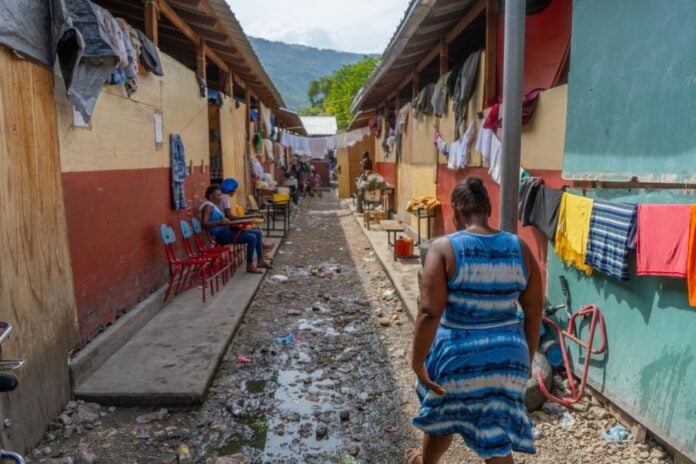
He emphasized the scale of the crisis, noting that 5.7 million people are grappling with severe food insecurity, and over 230,000 displaced human beings are living in makeshift shelters. “And those, as we have been telling you, are highly exposed to extreme weather,” he added.
“Our colleagues also remind us that Haiti is one of only five countries worldwide with people in famine-like conditions,” Dujarric said. He acknowledged that some limited supplies—including hygiene kits, tarpaulins, trauma supplies, and nutritional support—have been pre-positioned with the help of national and international partners. Humanitarian agencies also plan to deliver anticipatory cash transfers to vulnerable households.
“However, additional funding for relief efforts is urgently needed,” Dujarric stressed. He revealed that Haiti’s Humanitarian Response Plan is only eight per cent funded, with just US$75 million received of the US$908 million required for 2025.
The United Nations Office for the Coordination of Humanitarian Affairs (OCHA) is also stepping up efforts to re-establish aid operations in high-need areas following a suspension on May 26 due to insecurity. “Missions have been carried out in a number of areas in the metropolitan area of Port-au-Prince zone with further deployments planned along Route Nationale 1, which connects the capital to the north of the country. These efforts aim to secure safety guarantees and enable the safe resumption of humanitarian operations in those zones,” Dujarric explained.
The World Food Programme (WFP) has also raised serious concerns. Lola Castro, Regional Director in Latin America and the Caribbean, who recently returned from Haiti, warned: “At this time when half of all Haitians are already going hungry, a single storm could push millions into a humanitarian catastrophe.”
While in previous years WFP maintained humanitarian stocks to assist between 250,000 and 500,000 people in the immediate aftermath of disasters, Castro said, “this year, we start the hurricane season with an empty warehouse.”