The Trinidad and Tobago government says it is carefully reviewing proposed changes to the free movement aspect of the Caribbean Community (Caricom) Single Market and Economy (CSME), which would allow regional nationals to travel and work across member states without the need for a skills certificate.
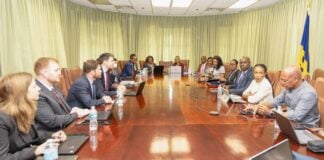
The announcement follows the conclusion of Caricom’s 49th Regular Meeting in Montego Bay, Jamaica, last week. While no official communiqué has been released, discussions at the summit signaled an acceleration in the integration process.
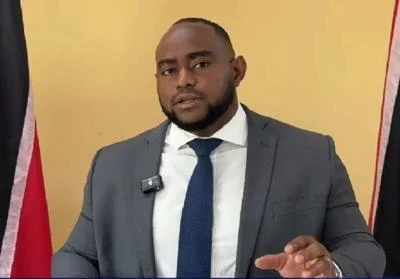
Speaking at a post-cabinet news conference Thursday, Foreign and Caricom Affairs Minister Sean Sobers said the changes are under serious consideration by the new Kamla Persad Bissessar administration, which came to power in April. The proposed shift, he explained, would remove the current requirement for a CSME skills certificate in order to move and work freely within the region.

“This particular evolution of the CSME now will see people moving throughout the Caribbean region without having to obtain that skill certificate,” Sobers said. “Prior to the meeting in Jamaica, this was an issue being dealt with at a prime ministerial level, and Trinidad and Tobago has had extensive discussions internally with various Cabinet ministries so everyone is on the pathway for readiness.”
At the summit’s conclusion, Jamaica’s Prime Minister and current Caricom Chairman Andrew Holness acknowledged frustrations over delays in implementation. “We agreed that the pace and scope of implementation was too slow,” he said, adding that member states are now committed to speeding up the process. Holness noted that Barbados, Dominica, Belize, and St Vincent and the Grenadines have confirmed their intent to fully implement the free movement protocol starting October 1, 2025.
Sobers said Trinidad and Tobago may also hold public consultations before taking a final position. “We want to reassure our Caribbean partners about it, but we also need to balance that with our obligations to nationals here and how our own nationals would feel about something like this,” he explained.
Various government ministries, including those responsible for immigration, health, and education, have made submissions on the implications of the proposed changes. “We are at an advanced stage as it regards the full and fair movement of people, but we just want to pause a bit on certain aspects of it until Cabinet has a proper understanding of what this would look like,” Sobers said.
Talks with UK on visa requirements
Meanwhile, Trinidad and Tobago is also in discussions with the United Kingdom over its decision to impose visa requirements on Trinidadian nationals earlier this year. Sobers said that although the UK formally notified the former government in advance, it failed to amend legislation that might have prevented the restrictions from taking effect.
“They were told well in advance of the March deadline that they needed to address certain issues. One of the things requested was an amendment to a specific piece of legislation,” he said.

Talks with the British High Commission are ongoing, with another virtual meeting scheduled for next week. However, Sobers cautioned that legislative changes alone may not automatically reverse the UK’s visa policy.