New law to allow Caribbean nationals to vote in NY
Key Points(5)
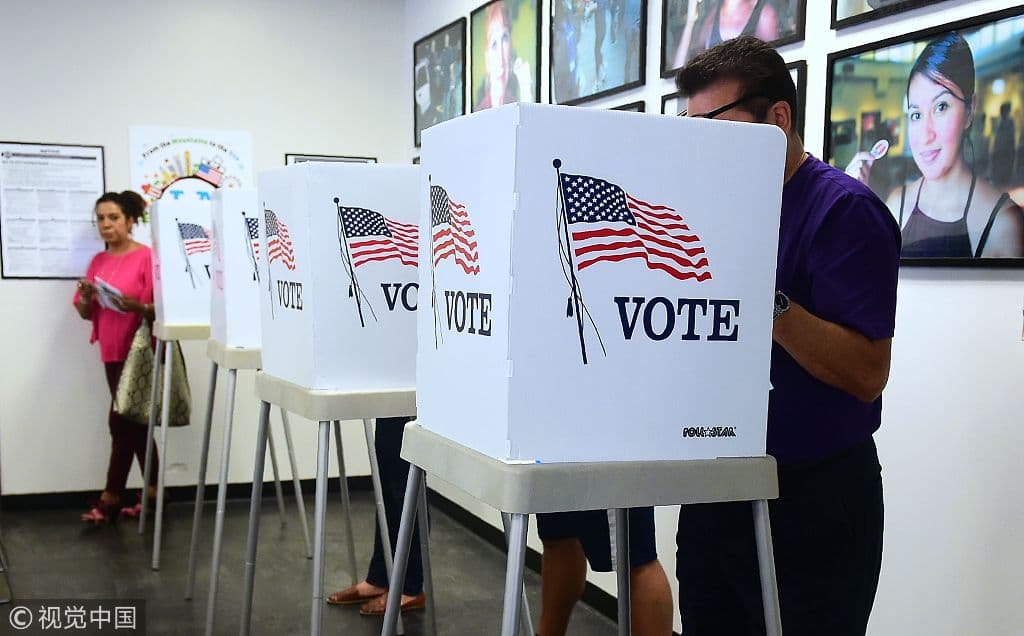
- Caribbean nationals who are not US citizens and live in New York City, will be allowed to vote after Mayor Eric Adams allowed legislation to automatically become law on January 9.
- Caribbean nationals are among the more than 800,000 non-citizens and “Dreamers” who could vote in municipal elections as early as next year.
- Opponents have vowed to challenge the new law, which the City Council approved one month ago.
- Unless a judge halts its implementation, New York City is the first major U.S.
- city to grant widespread municipal voting rights to non-citizens.
Caribbean nationals who are not US citizens and live in New York City, will be allowed to vote after Mayor Eric Adams allowed legislation to automatically become law on January 9.
Caribbean nationals are among the more than 800,000 non-citizens and “Dreamers” who could vote in municipal elections as early as next year.
Opponents have vowed to challenge the new law, which the City Council approved one month ago. Unless a judge halts its implementation, New York City is the first major U.S. city to grant widespread municipal voting rights to non-citizens.
More than a dozen communities across the U.S. already allow non-citizens to cast ballots in local elections, including 11 towns in Maryland and two in Vermont.
Non-citizens still will not be able to vote for president or members of Congress in federal races, or in the state elections that pick the governor, judges and legislators.
The Board of Elections must now begin drawing an implementation plan by July, including voter registration rules and provisions that will create separate ballots for municipal races to prevent non-citizens from casting ballots in federal and state contests.
Law passed despite numerous setbacks
It's a watershed moment for the nation's most populous city, where legally documented, voting-age non-citizens comprise nearly one in nine of the city’s seven million voting-age inhabitants. The movement to win voting rights for non-citizens prevailed after numerous setbacks.
The measure will allow non-citizens who have been lawful permanent residents of the city for at least 30 days, as well as those authorized to work in the U.S., including "Dreamers,” to help select the city’s mayor, city council members, borough presidents, comptroller and public advocate.
“Dreamers” are young immigrants brought to the U.S. illegally as children who would benefit from the never-passed DREAM Act or the Deferred Action for Childhood Arrivals program, which allows them to remain in the country if they meet certain criteria.
The first elections in which non-citizens will be allowed to vote are in 2023.
Adams recently cast uncertainty over the legislation when he raised concern about the month-long residency standard, but later said those concerns did not mean he would veto the bill.
While there was some question whether Adams could stop the bill from becoming law, the 30-day time limit for the mayor to take action expired at the stroke of midnight.
Adams said he looked forward to the law bringing millions more into the democratic process.
“I believe that New Yorkers should have a say in their government, which is why I have and will continue to support this important legislation,” Adams said in a statement. He added that his earlier concerns were put at ease after what he called productive dialogue with colleagues.
Former Mayor Bill de Blasio had similar concerns but did not move to veto the measure before vacating City Hall at the end of the year.
Opponents say the council lacks the authority on its own to grant voting rights to non-citizens and should have first sought action by state lawmakers.
Some states, including Alabama, Arizona, Colorado and Florida, have adopted rules that would preempt any attempts to pass laws like the one in New York City.