MSF warns of surge in sexual violence in Port-au-Prince, Haiti
Key Points(5)
- Nearly one in five survivors treated at Pran Men’m reported experiencing multiple incidents of sexual and gender-based violence.</p> <p data-start="1559" data-end="1875">MSF also documented a disturbing escalation in the brutality of attacks.
- Since 2022, 57 percent of survivors receiving care reported being assaulted by members of armed groups, often in group attacks involving multiple perpetrators.
- More than 100 patients said they were assaulted by 10 or more perpetrators at once.</p> <p data-start="1877" data-end="2116">One 53-year-old survivor quoted in the report described being beaten and assaulted along with her family.
- “When I refused to sleep with them, they hit me and I fell,” she said.
- “After raping me, they raped my daughter and beat my husband.”</p> <p data-start="2118" data-end="2408">The report underscores severe gaps in services available to survivors beyond medical care.
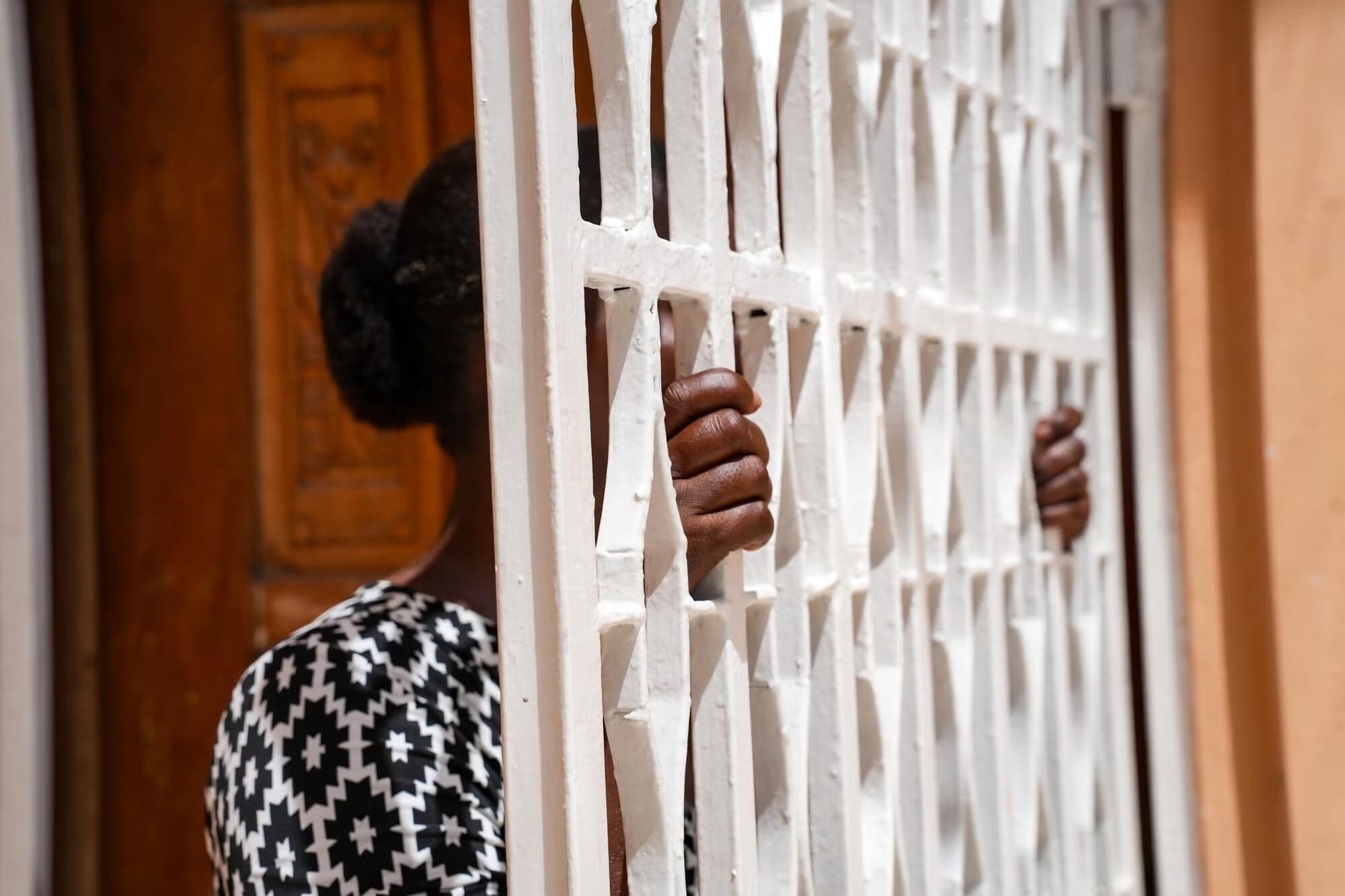
Sexual and gender-based violence has surged dramatically in Haiti’s capital over the past four years and is being used systematically to terrorize communities, particularly women and girls, according to a new report released last Wednesday by Médecins Sans Frontières (MSF).
The report, Sexual and Gender-Based Violence in Port-au-Prince, Haiti, documents a sharp rise in attacks since 2021, unfolding alongside the collapse of public infrastructure, worsening insecurity, and deteriorating living conditions across the city.
MSF says the number of survivors seeking care at its Pran Men’m clinic has nearly tripled, rising from an average of 95 admissions per month in 2021 to more than 250 per month in 2025.
“This shows how the explosion of violence in Haiti in recent years has had a direct impact on the bodies of women and girls in Port-au-Prince,” said Diana Manilla Arroyo, MSF’s head of mission in Haiti.
According to the report, women and girls of all ages are being targeted, with a growing number of survivors forcibly displaced from their homes — a condition that further exposes them to violence. Nearly one in five survivors treated at Pran Men’m reported experiencing multiple incidents of sexual and gender-based violence.
MSF also documented a disturbing escalation in the brutality of attacks. Since 2022, 57 percent of survivors receiving care reported being assaulted by members of armed groups, often in group attacks involving multiple perpetrators. More than 100 patients said they were assaulted by 10 or more perpetrators at once.
One 53-year-old survivor quoted in the report described being beaten and assaulted along with her family. “When I refused to sleep with them, they hit me and I fell,” she said. “After raping me, they raped my daughter and beat my husband.”
The report underscores severe gaps in services available to survivors beyond medical care. MSF says it is often unable to refer patients to essential non-medical support such as safe shelters, relocation options, or livelihood assistance — services that are critical for long-term recovery.
Survivors also face significant barriers to accessing care, including fear of stigma, financial hardship, insecurity, and lack of information. These delays have serious medical consequences. Since 2022, only one-third of survivors arrived at the Pran Men’m clinic within three days of their assault, the window during which HIV prevention treatment is effective. Additionally, 59 percent were unable to access care within five days to prevent unwanted pregnancy.
Against this backdrop, MSF highlighted recent efforts to strengthen sexual and reproductive health services, including the reopening of the Isaïe Jeanty Hospital in Chancerelles — the largest maternal health facility in Port-au-Prince — and the planned launch of a new MSF sexual and reproductive health project in the coming months.
The organization is calling for urgent, coordinated action by Haitian authorities, donors, United Nations agencies, and security actors to implement a survivor-centered response focused on long-term recovery.
“We call for expanded access to comprehensive medical and psychosocial care free of charge, which can only be achieved through a sustainable increase in funding for support services,” Manilla Arroyo said. She also urged recognition of the widespread and deliberate use of sexual violence by armed groups. “These are the challenges that must be addressed to empower survivors to regain control of their bodies and their lives.”