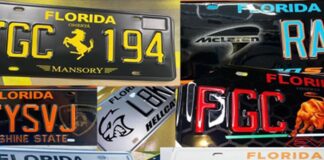
A major change in Florida law regulating vehicle license plate modifications went into effect October 1, imposing stricter penalties for drivers who alter or obscure their plates.
House Bill 253, titled “Offenses Involving Motor Vehicles,” makes it a crime—not just a traffic violation—to change the appearance of a license plate in ways that make it difficult to read. The law targets modifications such as:
-
Changing the plate’s color

-
Applying sprays, films, coatings, or tints
-
Using transparent or smoked covers
-
Adding lights or reflective devices that shine on the plate
-
Installing mechanisms that flip, hide, or switch plates
Drivers are advised to keep plates clean, visible, and unobstructed. Dealer-installed frames that cover numbers or stickers should be removed, along with any aftermarket accessories that alter the plate. Proper functioning of the plate light is also required.
Penalties under the law vary depending on the offense:

-
Altering, covering, or modifying a plate: Second-degree misdemeanor, up to 60 days in jail and a $500 fine.
-
Buying or possessing a device to hide a plate: Second-degree misdemeanor, same penalties.
-
Manufacturing, selling, or distributing such devices: First-degree misdemeanor, up to one year in jail and a $1,000 fine.
-
Using these devices to commit or aid a crime: Third-degree felony, up to five years in prison and a $5,000 fine.
The law is part of a broader effort to improve road safety and enhance law enforcement’s ability to identify vehicles involved in crimes.