The Jamaica Public Service Company (JPS) is expressing concern following the Government’s formal notice that it does not intend to renew the company’s all-island electricity licence under its current terms when it expires on July 8, 2027.
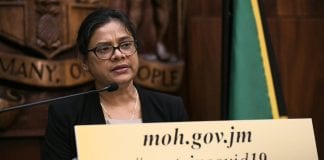
The announcement was made Tuesday by Minister of Science, Energy, Telecommunications and Transport Daryl Vaz. Vaz confirmed that he wrote to JPS earlier in the day in his capacity as Minister of Energy, invoking Condition 27 of the existing licence agreement to signal the Government’s intent to explore new post-2027 arrangements.
“The Government of Jamaica is not seeking to take over the operations of JPS,” Vaz clarified at a press briefing. “Instead, we intend to negotiate new licensing terms and conditions with potential investors that are more favourable to the Jamaican people.”

Condition 27 of the licence grants the Government the authority to acquire the licensed business at the end of the term, though Vaz did not confirm whether that option would be exercised. However, he stressed that the move creates “greater flexibility” to shape the country’s future energy landscape.
In a statement issued on Tuesday, JPS confirmed receipt of the Government’s letter, noting that it “indicates its intention of acquiring the Licensed Business at the expiration of the term of the Licence (being July 8, 2027).”
JPS President and CEO Hugh Grant said the announcement raises important questions for the sector and the country.
“This development has several implications for the energy sector, and for the country in general. The JPS leadership, shareholders and legal teams will review the implications while engaging key stakeholders. Regardless of the path forward, we assure our customers that JPS remains steadfast in our commitment to deliver safe, reliable, resilient and cost-effective electricity service to the nation.”
JPS currently operates as a monopoly electricity provider, holding exclusive rights to generate, transmit, distribute, and supply electricity across Jamaica. The licence was originally granted in 2001 for 20 years and extended in 2011 to run until 2027.
The Government’s move comes amid long-standing public concerns over high electricity costs, service reliability, and the role of a private monopoly in the country’s energy future.