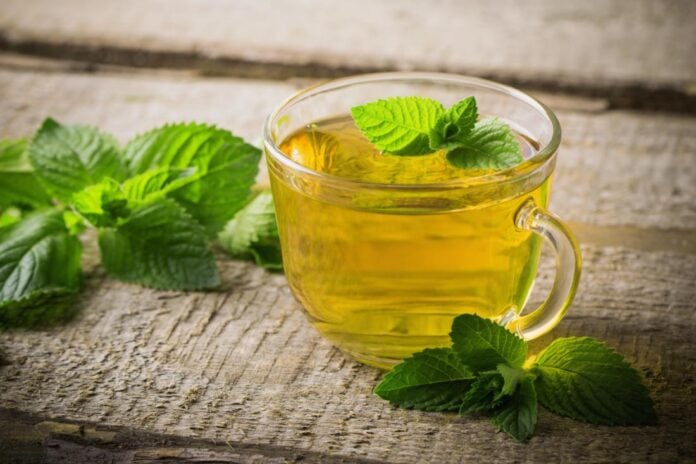
From “bush tea” to garlic and guinea hen weed, Jamaicans at home and abroad often turn to herbs and natural remedies to soothe everything from a cough to high blood pressure. But while these age-old practices remain deeply woven into the culture, health officials are sounding the alarm about their limitations—especially when it comes to life-threatening diseases like cancer.

At a recent Jamaica Information Service (JIS) Think Tank held in Montego Bay, Dr. Delroy Fray, Clinical Coordinator at the Western Regional Health Authority (WRHA), renewed his call for Jamaicans to exercise caution when opting for herbal medicine over conventional treatments.
He shared a troubling trend that’s becoming all too familiar: patients choosing herbal alternatives instead of proven medical care, often on the advice of non-medical individuals.

“These patients presented with large lumps in their breasts and it raises a critical question – why are we seeing such advanced cases?” Dr. Fray said, referring to five patients he saw in a single week—three of them young, educated women with locally advanced breast cancer. He attributes many of these late diagnoses to herbal practitioners misleading patients into believing that natural treatments alone can cure them.
In another case, Dr. Fray recounted how a diabetic man, persuaded by a neighbour to drink a homemade herbal brew, abandoned his prescribed medication. Within just two weeks, the man developed a severe infection that resulted in the amputation of his toe.
“This is not an isolated incident,” Dr. Fray warned. “Social media is rife with misinformation about cures for various ailments, and people are falling victim to these false promises.”
He acknowledged the appeal of herbal medicine—natural, familiar, and often perceived as safer—but stressed that this perception can be dangerously misleading.
“Herbal remedies can have beneficial properties but they should not replace scientifically proven medical treatments,” he said. While there is room for integrating herbal and conventional medicine, Dr. Fray emphasized the need for regulation and responsible use.
Backing up his point, he cited a Yale University study that found significantly higher mortality rates among patients who relied solely on herbal remedies, compared to those who pursued conventional treatments.

“The evidence is clear. Those who combine conventional treatments with herbal remedies fare much better than those who choose herbal treatments alone,” he said.
Beyond herbal use, Dr. Fray also addressed the myths that often prevent women from seeking early breast cancer screenings—such as the belief that mammograms can cause cancer, or that radiation worsens the disease.
“The benefits of early detection through mammography far outweigh the risks,” he stressed, noting that modern screening tools can detect lesions as small as a pinhead—well before they become life-threatening.
Dr. Fray urged Jamaicans to be vigilant about their health, stressing that early detection and evidence-based treatment save lives. He also reassured the public that Cornwall Regional Hospital is equipped to deliver top-tier care on par with what’s available in First-World countries.
While the legacy of herbal medicine remains a proud part of Jamaican identity, Dr. Fray’s message is clear: tradition should not stand in the way of timely, life-saving care.