Guyana seizes over 370kg of narcotics in first quarter of 2026
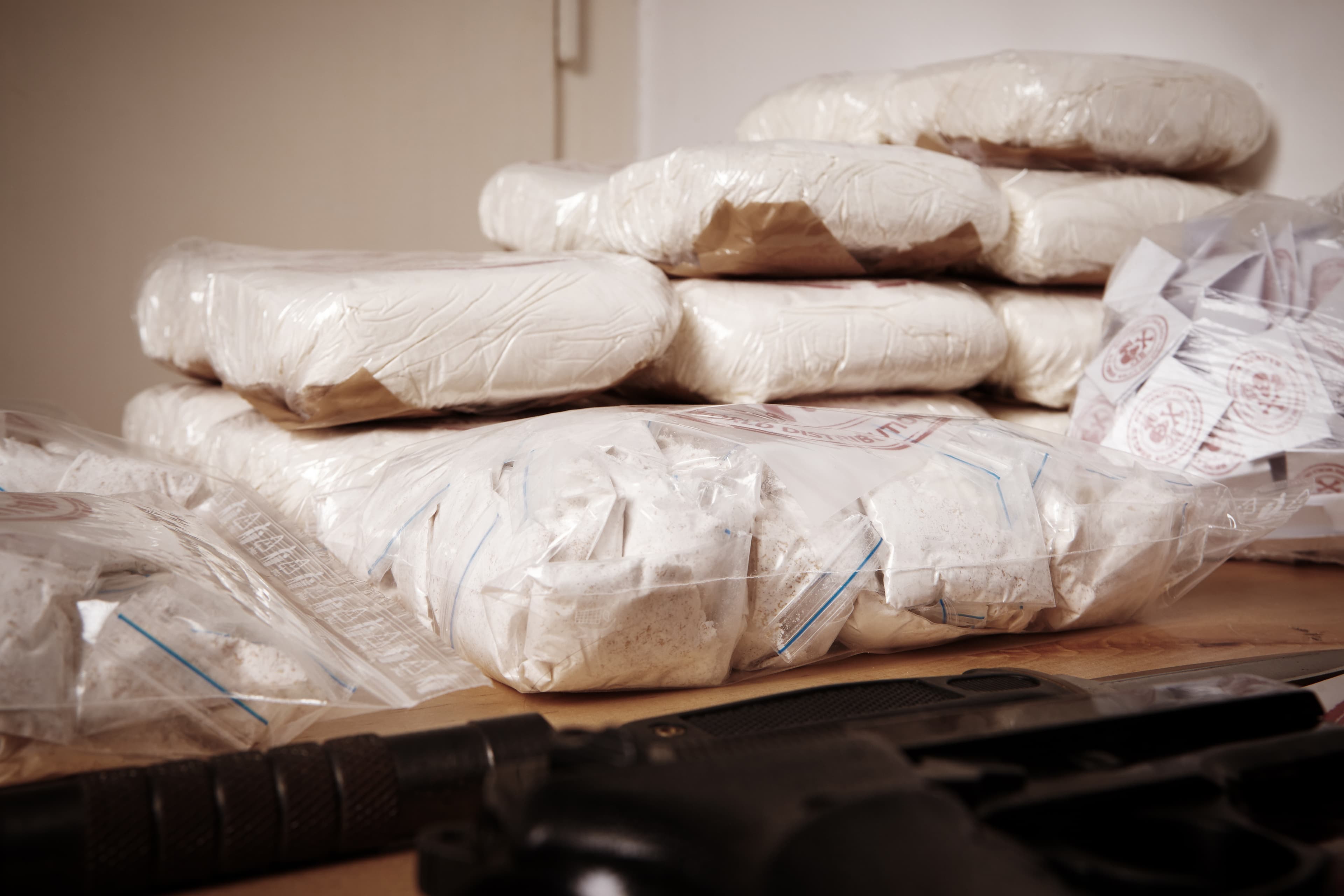
The Customs Anti Narcotic Unit (CANU) in Guyana recorded significant gains in the fight against drug trafficking during the first quarter of 2026, seizing more than 370 kilograms of narcotics and disrupting trafficking networks across multiple regions.
According to the Ministry of Home Affairs, CANU seized a total of 371.24 kilograms of narcotics between January and March, as part of 26 drug operations conducted during the period. The enforcement actions resulted in 37 arrests, 30 charges, and 18 court cases, reflecting what officials described as a strong intelligence-led approach.
Authorities said cocaine remained the primary high-value drug, with 113.01 kilograms seized, reinforcing Guyana’s role as a key transit point for international trafficking. Cannabis accounted for the largest overall volume, with major seizures linked to local cultivation networks.
Region 6, East Berbice‑Corentyne, emerged as the main trafficking hotspot based on the quantity of narcotics seized, primarily cannabis. Regions 2 and 4 also recorded notable activity, highlighting what authorities described as established corridors and distribution hubs.
Operations during the quarter also resulted in the seizure of four firearms and 166 rounds of ammunition, underscoring the link between drug trafficking and violent crime.
The Ministry said the estimated street value of drugs seized locally exceeded GYD $190 million, while international values surpassed GYD $1.2 billion, suggesting that the majority of profits are generated outside Guyana.
CANU also strengthened international cooperation and policy engagement during the quarter, increasing intelligence-sharing and participating in regional and international initiatives aimed at improving coordinated drug control efforts. Officials said these steps reflect a shift toward proactive, intelligence-led enforcement and improved capacity to respond to emerging threats.
Authorities also reported enhancements to CANU’s Early Warning System, which issued alerts about emerging threats including the circulation of MDMA, commonly known as ecstasy, and illegal THC vape products, particularly those targeting youth markets.
In addition to enforcement efforts, CANU conducted prevention initiatives, reaching more than 2,400 individuals through school and community outreach programmes.
Officials said Guyana’s drug landscape remains complex, noting that cannabis dominates overall volume, cocaine drives value, and synthetic drugs are emerging threats. CANU said it will continue to prioritise intelligence-led operations, regional cooperation, and prevention efforts to counter evolving trafficking networks.