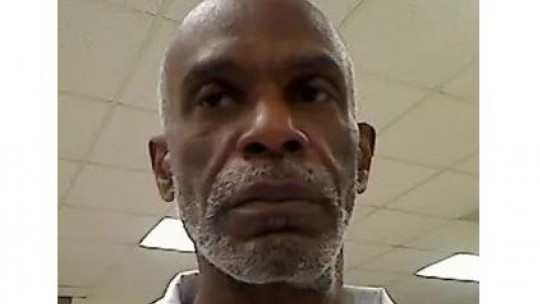
Jamaica’s Minister of Foreign Affairs Kamina Johnson Smith says the Jamaican man who was deported by the United States to Eswatini and held in a maximum-security prison for more than seven weeks without charge is now back home in Jamaica.
Orville Etoria was deported to Eswatini in July and detained in the African nation until his return this week. On Monday evening, Johnson Smith said the Jamaican Government was “pleased to welcome Etoria back home” and urged Jamaicans to respect his desire for a quiet return.
“We reaffirm that the wellbeing of Jamaicans overseas is a constant priority for the Government and note that this case is another example of the importance of international cooperation and the role of our diplomatic network in protecting the rights of Jamaican nationals abroad,” Johnson Smith said.

She added, “We are grateful to the Government of Eswatini for its cooperation in this matter and for the duty of care it has exercised. We also thank the IOM [International Organization for Migration] for its direct support and commend our High Commission in Pretoria for their hands-on engagement. Together, our combined efforts ensured Mr Etoria’s safe return.”
Etoria was the first of at least 20 deportees sent by the United States to various African nations in the last two months to be identified publicly. The deportations are part of the Trump administration’s largely secretive third-country programme to crack down on immigration.
The 62-year-old Etoria was convicted of a serious crime in the U.S. in 1997 and was released from prison on parole in 2021, the New York-based Legal Aid Society said in a statement. The U.S. Department of Homeland Security said in a post on X that Etoria had been convicted of murder.

The Legal Aid Society said the U.S. government had “falsely claimed that Jamaica refused to accept him back.” Homeland Security, when announcing the deportation of a total of five men to Eswatini in mid-July, claimed they were “so uniquely barbaric that their home countries refused to take them back.” Homeland Security said at the time the men were “dangerous criminals from Jamaica, Cuba, Laos, Vietnam and Yemen” but did not identify them by name.