Haiti TPS to expire Feb. 3, leaving hundreds of thousands in limbo
Key Points(5)
- <p data-start="232" data-end="480">Temporary Protected Status (TPS) for Haitian nationals living in the United States is scheduled to expire on Feb.
- In Massachusetts, U.S.
- Senator Ed Markey and Representative Ayanna Pressley criticised the move, warning that letting TPS lapse could disrupt families and undermine contributions by Haitian nationals working in essential sectors such as healthcare and elder care.</p> <p data-start="2416" data-end="2705">Rep.
- Pressley has pushed a discharge petition in the U.S.
- Meanwhile, Haitian TPS holders and their families are preparing for uncertainty, with many worried about the potential consequences for their livelihoods and futures if protections are not extended.</p>
Temporary Protected Status (TPS) for Haitian nationals living in the United States is scheduled to expire on Feb. 3, 2026, raising concerns for hundreds of thousands of people who have relied on the humanitarian immigration programme for years.
The Department of Homeland Security (DHS) announced in late 2025 that it would terminate Haiti’s TPS designation, concluding that Haiti no longer meets the qualifications for the programme and that allowing Haitian nationals to remain temporarily in the United States is “contrary to the national interest.” Under that decision, around 330,000–350,000 Haitian nationals currently holding TPS are expected to lose their legal status and work authorisation if they do not secure another lawful immigration status by the February deadline.
TPS was first granted to Haitians after the devastating 2010 earthquake and has been repeatedly extended in response to conditions including natural disasters, political instability and prolonged gang violence.
A federal court ruling in 2025 blocked an attempt by DHS to end the programme early, keeping protections in place through Feb. 3, 2026. Advocates and legal experts say those protections are now set to expire unless further legal action or policy changes occur.
Community impact and responses
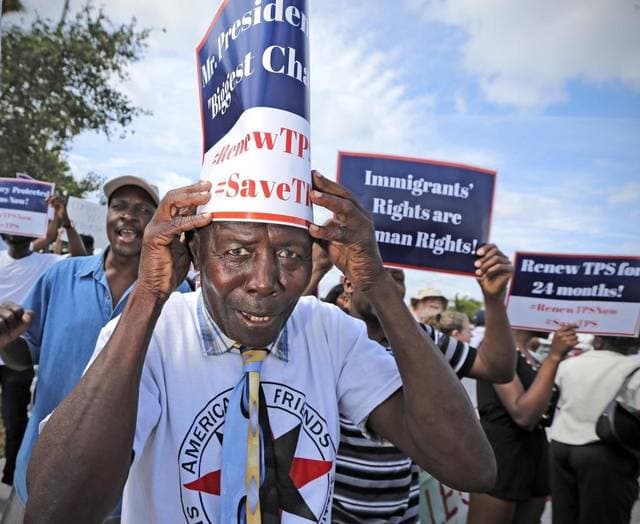
The looming expiration has already sparked fear and uncertainty within Haitian diaspora communities across the U.S. In South Florida, for example, many Haitian residents have expressed anxiety about losing legal status and being forced to choose between returning to Haiti — where violence and insecurity persist — or attempting to find alternative immigration pathways.
Lawmakers have also raised alarms. In Massachusetts, U.S. Senator Ed Markey and Representative Ayanna Pressley criticised the move, warning that letting TPS lapse could disrupt families and undermine contributions by Haitian nationals working in essential sectors such as healthcare and elder care.
Rep. Pressley has pushed a discharge petition in the U.S. House of Representatives aimed at forcing a floor vote on legislation to extend TPS for Haitian nationals for three years, arguing that Congress should act if the executive branch does not.
Legal and policy context
TPS is a form of humanitarian relief that allows nationals of designated countries to live and work in the United States when their home countries are experiencing conditions that make safe return impossible. Ending the programme means TPS holders would lose their protection from deportation and their right to work unless they qualify for another form of status, such as asylum, family-based visas, or employment-based immigration categories.
The DHS notice to the Federal Register makes the Feb. 3, 2026, termination date official, and legal experts say Haitian TPS holders should begin planning for possible changes now — including checking eligibility for other immigration options or seeking legal assistance.
With the deadline approaching in just over a week, advocates and legal groups are continuing to challenge the termination in court and push for legislative action. Meanwhile, Haitian TPS holders and their families are preparing for uncertainty, with many worried about the potential consequences for their livelihoods and futures if protections are not extended.