Guyana puts health facilities on alert amid chikungunya cases in Suriname
Key Points(5)
- Frank Anthony said on Wednesday that while Guyana has not recorded any local cases, the alert is a precautionary measure following reports from Suriname.
- Speaking with <em data-start="501" data-end="529">Demerara Waves Online News</em>, Dr.
- Testing was conducted by the Central Laboratory of the Bureau for Public Health (BOG) and the Academic Hospital Paramaribo.</p> <p data-start="1276" data-end="1638">Dr.
- Anthony explained that hospitals, health centres and outposts in Guyana routinely test patients with flu-like symptoms for dengue.
- However, he noted that in October last year, one imported case was identified from a Caribbean island.</p> <p data-start="1853" data-end="2130">In response to the ongoing regional risk, the Health Minister said the ministry has strengthened mosquito control efforts.
Guyana’s Ministry of Health has issued an alert to health facilities nationwide to exercise heightened vigilance for patients presenting with severe body pains and fever, amid confirmed cases of chikungunya in neighbouring Suriname.
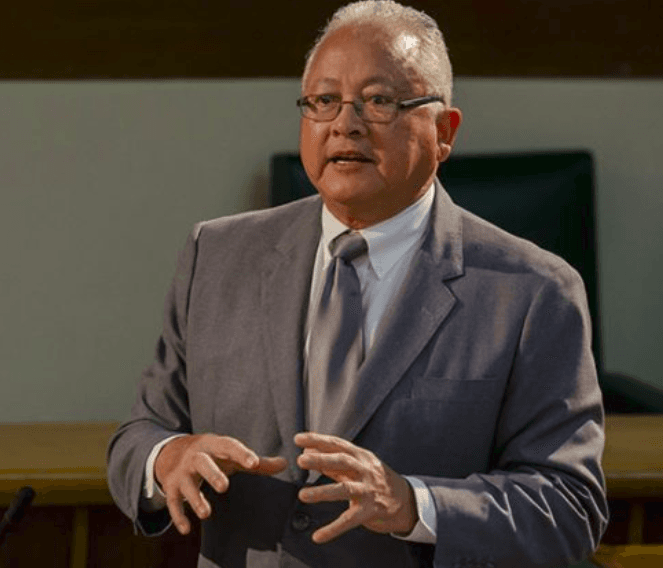
Health Minister Dr. Frank Anthony said on Wednesday that while Guyana has not recorded any local cases, the alert is a precautionary measure following reports from Suriname. Speaking with Demerara Waves Online News, Dr. Anthony said Guyana’s disease surveillance system remains robust and capable of detecting potential cases early.
“Our system, I think, is fairly robust in terms of anything that comes in—it will be reported through our system and we’ll be able to detect that,” he said. “But since a neighbouring country reported that they have had cases, we will put our health centres on alert and the hospital to make sure that if anything pops up, we’ll be able to detect it.”
Suriname’s Ministry of Health has confirmed eight cases of chikungunya, noting that none of the affected individuals had travelled overseas recently. Testing was conducted by the Central Laboratory of the Bureau for Public Health (BOG) and the Academic Hospital Paramaribo.
Dr. Anthony explained that hospitals, health centres and outposts in Guyana routinely test patients with flu-like symptoms for dengue. If dengue tests are negative, further screening is conducted for other viral infections, with serum samples sent to the National Reference Laboratory for polymerase chain reaction (PCR) testing for diseases such as chikungunya.
He stressed that, based on weekly surveillance reports, no local cases have been detected in Guyana to date. However, he noted that in October last year, one imported case was identified from a Caribbean island.
In response to the ongoing regional risk, the Health Minister said the ministry has strengthened mosquito control efforts. He noted that personnel in neighbourhood democratic councils (NDCs) have been trained, equipped and supplied with chemicals to conduct fogging operations.
“All NDCs are responsible for their fogging. The ministry would normally monitor that because they have all the tools, they have everything to do fogging within the community,” Dr. Anthony said. He added that the Georgetown City Council is similarly equipped and monitored, while the Health Ministry also conducts independent fogging activities.
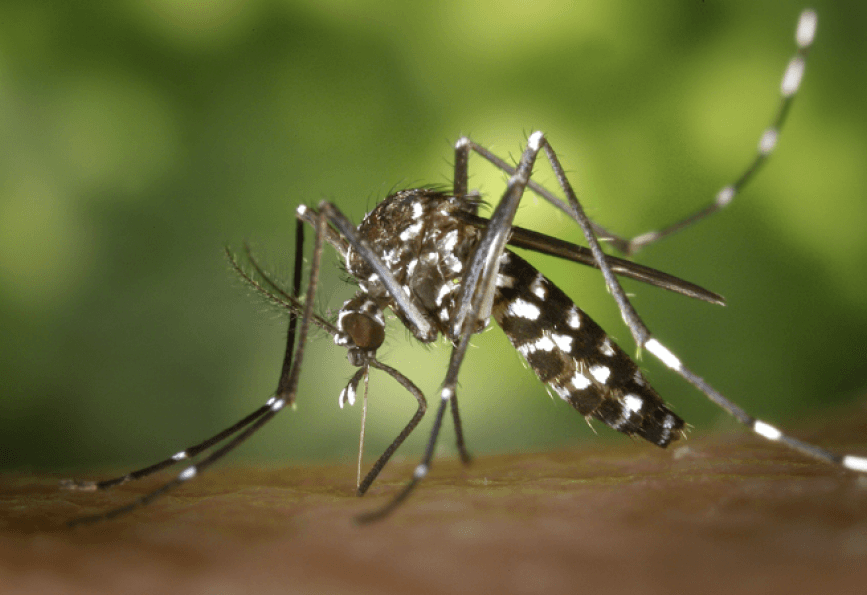
Chikungunya, a mosquito-borne viral disease, is not transmitted from person to person, and infection typically results in lifelong immunity. The Suriname Ministry of Health has advised individuals experiencing fever and joint pain or swelling to avoid aspirin and ibuprofen, recommending paracetamol instead for pain and fever relief.
Health officials also recommend drinking plenty of fluids, getting adequate rest, and seeking medical attention if symptoms worsen. Authorities in Paramaribo said they will continue to provide timely, accurate and transparent updates as more information becomes available.
The first chikungunya outbreak in Suriname occurred in June 2014, when the virus was first identified locally as part of its wider spread across the Caribbean and surrounding regions.
Public health authorities are urging residents to actively reduce mosquito breeding by eliminating stagnant water in and around homes, workplaces and recreational areas, including buckets, tyres, flowerpots and other containers. Wearing protective clothing that covers arms and legs and using mosquito repellent are also strongly recommended.