Guyana expresses confidence ahead of ICJ hearings in Venezuela border case
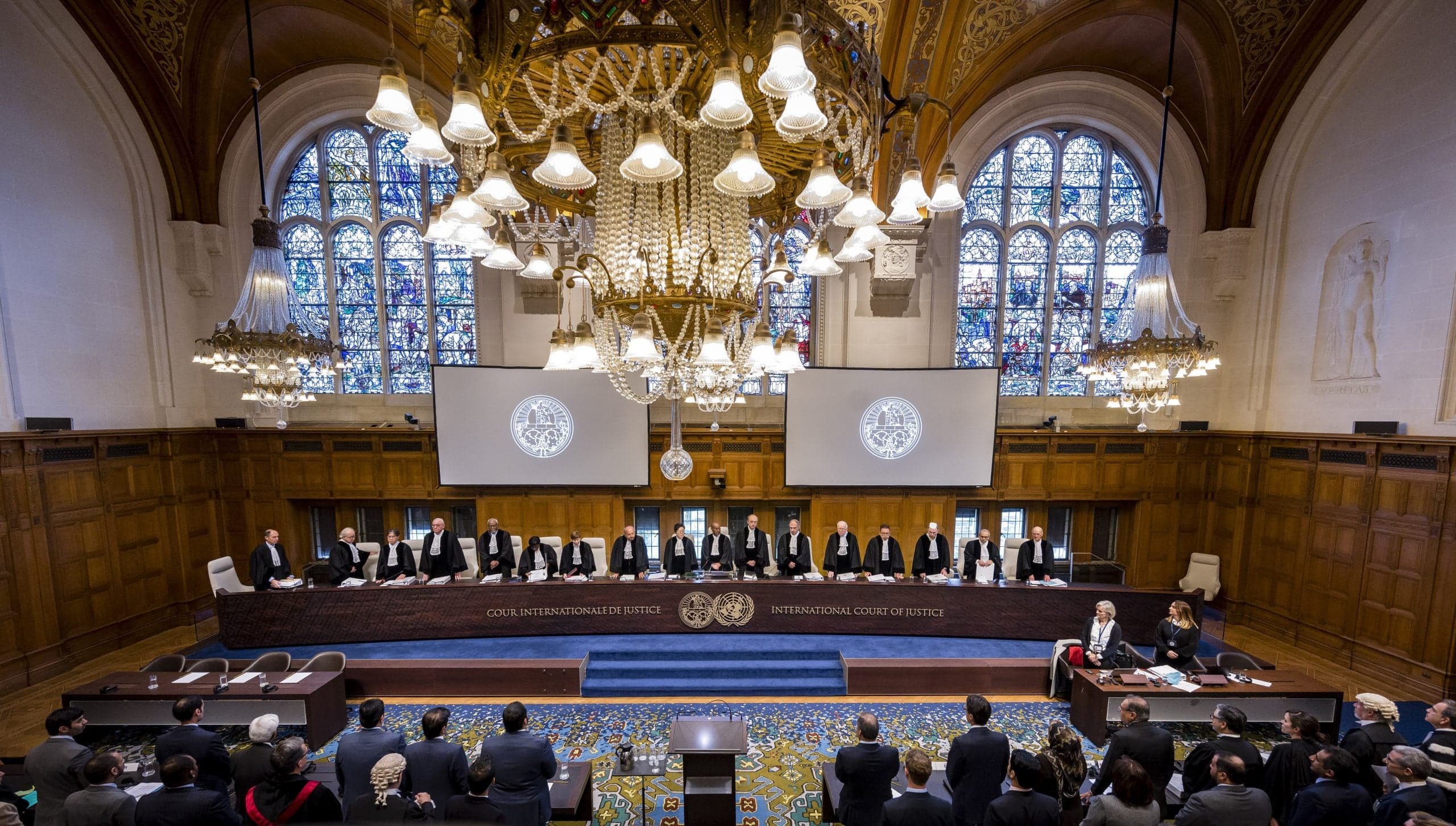
The Guyana government has reiterated its confidence in securing a favourable ruling from the International Court of Justice (ICJ) as oral hearings continue in its long-running border dispute with Venezuela over the Essequibo region.
In a statement issued ahead of proceedings at the Hague-based court, Georgetown said it is approaching the case “with full confidence in the strength of its case,” pointing to historical evidence and international legal principles supporting the binding nature of arbitral awards and the sanctity of treaties.
Guyana filed the case in 2018, seeking confirmation that the 1899 Arbitral Award—which established the boundary between the two countries—remains valid under international law. The award was accepted for decades before Venezuela declared it null in 1962 and revived its territorial claim.
The ICJ has already ruled that it has jurisdiction in the matter, clearing the way for hearings on the merits, where both sides are presenting detailed legal arguments. The current oral phase began on May 4 and is scheduled to run through May 11, with proceedings taking place at the Peace Palace in The Hague.
Guyana’s Attorney General and Minister of Legal Affairs, Mohabir Anil Nandlall, has said the hearings are scheduled to run May 4–8, with possible extension into the following week.
The dispute centres on the Essequibo region, a territory that makes up roughly two-thirds of Guyana and is widely regarded as resource-rich, particularly in oil and gas reserves.
Tensions have remained high alongside the legal proceedings. Venezuela has continued to assert its claim to the territory, while regional partners, including CARICOM, have raised concerns about symbolic displays reinforcing its position during diplomatic engagements in the Caribbean.
In its statement, Guyana’s Ministry of Foreign Affairs and International Cooperation said the ICJ has twice affirmed its jurisdiction in earlier rulings and has already issued provisional measures intended to prevent actions that could affect the status of the disputed territory while the case remains pending.
The government added that it expects the court’s eventual ruling to be binding and consistent with international law, reinforcing what it describes as a long-established and internationally recognised boundary.