EU imposes sanctions on three ang leaders in Haiti over massacres
Key Points(3)
- All EU citizens and entities are prohibited from providing funds or economic resources to the listed individuals.</p> <p data-start="1245" data-end="1638">“This dangerous crisis is only getting worse in Haiti,” said Kaja Kallas, the EU’s High Representative for Foreign Affairs and Security Policy.
- “Today the EU has imposed new targeted sanctions on individuals including those involved in mass killings, the forcible recruitment of children, kidnapping, homicides and sexual and gender-based violence.
- At this moment of grave instability, Haiti urgently needs support from the international community.
The European Union has imposed fresh sanctions on three notorious Haitian gang leaders for their roles in escalating violence and destabilizing the country, while also extending its sanctions framework for another year.
In a statement Tuesday, the EU Council said the sanctions target individuals “responsible for actions that threaten the peace, stability and security of the country,” including involvement in massacres, forced child recruitment, kidnapping, and gender-based violence.
The three sanctioned individuals are:
-
Micanor Altès, leader of the Wharf Jérémie gang, linked to the December 2024 massacre of 207 people.
-
Christ-Roi Chéry, head of the Ti Bwa gang, accused of forcibly recruiting children and committing acts of sexual and gender-based violence.
-
Jeff Larose, leader of the Canaan gang, who is also accused of child recruitment, kidnapping, and multiple homicides.
The sanctions include an EU-wide travel ban and asset freeze. All EU citizens and entities are prohibited from providing funds or economic resources to the listed individuals.
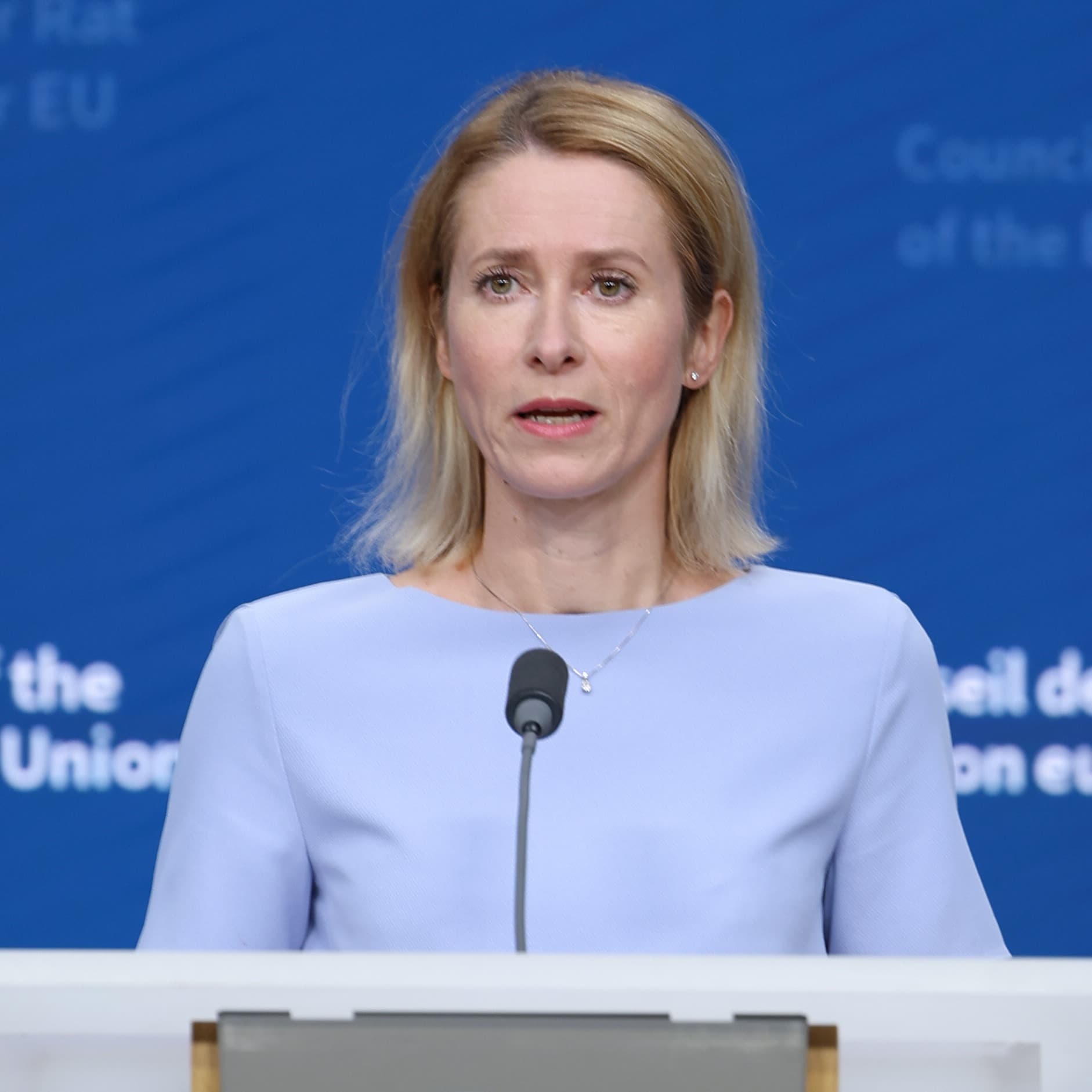
“This dangerous crisis is only getting worse in Haiti,” said Kaja Kallas, the EU’s High Representative for Foreign Affairs and Security Policy. “Today the EU has imposed new targeted sanctions on individuals including those involved in mass killings, the forcible recruitment of children, kidnapping, homicides and sexual and gender-based violence. At this moment of grave instability, Haiti urgently needs support from the international community. Discussions at the UN Security Council should secure without further delay the future of the Multinational Security Support Mission including by giving it the financing it needs to fulfil its mandate of restoring peace, stability, and the rule of law in the country."
The EU also renewed its sanctions framework on Haiti until 29 July 2026, citing “persistent and destabilising criminal activities.” The move follows repeated warnings from the EU and other international bodies about the collapse of rule of law in the country.
The European Council first raised the alarm last October, calling for “new targeted sanctions against individuals and entities responsible for violence, with the objective of helping to restore peace, security, stability, democracy and the rule of law in Haiti."