Dominica opposition leader alleges political crackdown after arrest of former MP
Key Points(5)
- The leader of Dominica’s opposition United Workers Party (UWP), Dr.
- Thomson Fontaine, has expressed concern that more individuals are being targeted by police following the arrest of former opposition legislator Danny Lugay on Tuesday.
- Lugay, the former parliamentary representative for Roseau North, was detained as police continue investigating last week’s protest outside the parliament building.
- His arrest comes just one day after a city magistrate granted EC$30,000 bail to three individuals, including former opposition leader Hector John, who had been charged in connection with the demonstration.
- Bail was denied to one other individual.
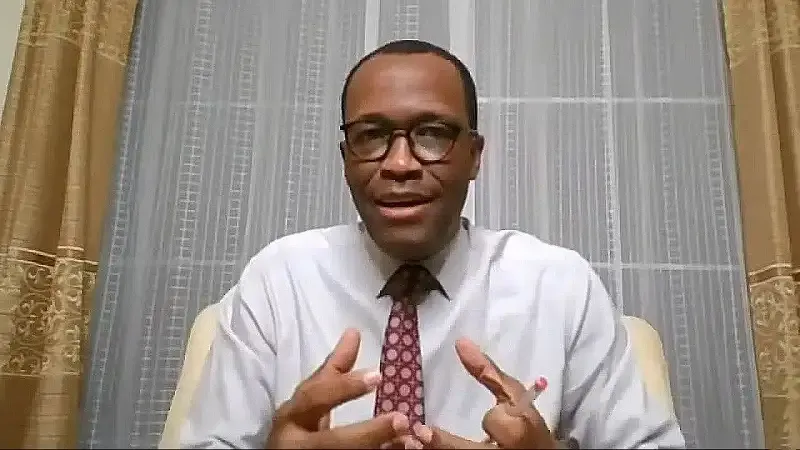
The leader of Dominica’s opposition United Workers Party (UWP), Dr. Thomson Fontaine, has expressed concern that more individuals are being targeted by police following the arrest of former opposition legislator Danny Lugay on Tuesday.
Lugay, the former parliamentary representative for Roseau North, was detained as police continue investigating last week’s protest outside the parliament building. His arrest comes just one day after a city magistrate granted EC$30,000 bail to three individuals, including former opposition leader Hector John, who had been charged in connection with the demonstration. Bail was denied to one other individual.
The protesters have been charged with “unlawfully, riotously, and tumultuously assembling together to the disturbance of the public.”
The demonstration, which coincided with a parliamentary debate on electoral reform legislation, was met with force by law enforcement. Police fired tear gas and rubber bullets to disperse the crowd, arguing that no official permission had been granted for the gathering.
Fontaine told reporters that Lugay’s arrest appears to be “part of a broader crackdown” and warned that more opposition members could face similar action.
“We talked this morning about this march towards a police state and a tyrant in government. It looks like it was closer than I could have imagined,” Fontaine said.
“What we see here is a police force involved in all sorts of human rights abuses that have been documented on video. It looks like it continues,” he added, urging the public to remain vigilant.
The opposition leader’s concerns come just weeks after a High Court judge dismissed incitement charges against three UWP members, including former Prime Minister Edison James and Fontaine himself. The judge ruled that the charges, which stemmed from a 2017 opposition meeting that led to civil unrest, had exceeded a reasonable time for trial under the Dominica constitution.
As tensions rise, Fontaine and other opposition members continue to criticize what they see as escalating political repression in the country.