



The Caribbean Hotel and Tourism Association (CHTA) is urging the U.S. government to reconsider proposed port service fees and tariffs, warning of potential economic fallout for both the Caribbean and the United States, especially Florida.
In a recent submission to the U.S. Trade Representative (USTR), the CHTA called for regional exemptions and proposed alternative measures aimed at protecting the vital trade and tourism links between the two regions.
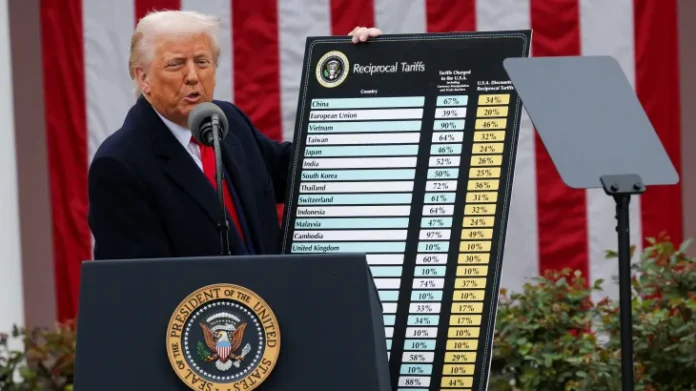
The proposed U.S. policy includes service fees of up to $1.5 million per port call for vessels made in or flagged by China. According to CHTA, these fees—alongside accompanying tariffs—would sharply raise the cost of imports and cruise operations, leading to higher prices for consumers and decreased traveler demand.

While the CHTA acknowledged the U.S. government’s goal of expanding the use of domestically built cargo ships, it cautioned that the timing and scope of the policy could hurt Caribbean economies and U.S. interests alike. The organization noted that Caribbean and U.S.-owned shipping companies face serious challenges in rapidly phasing out Chinese-built vessels.
CHTA President Sanovnik Destang stressed the importance of maintaining strong tourism ties between the two regions, citing economic benefits such as job creation, increased business opportunities, and higher tax revenues.
“The region was beginning to see light at the end of the tunnel with many tourism-related businesses recovering from the tremendous impact the pandemic had on travel and tourism,” said Destang. “Even as our industry has rebounded, we remain highly vulnerable to the high cost of operations—particularly food and beverages—driven largely by five years of inflation. One-third of our tourism-related businesses reported a net loss in 2024, according to CHTA’s annual performance study.”
In its formal response, the CHTA joined with the CARICOM Private Sector Organization (CPSO) and regional shipping interests in requesting exemptions for Caribbean nations and smaller shipping firms that often operate through multiple transshipment ports. The proposed exemption list includes 29 Caribbean jurisdictions, from Jamaica and The Bahamas to Suriname and St. Vincent & the Grenadines, as well as U.S. territories like Puerto Rico and the U.S. Virgin Islands.
Proposed policy could disrupt Caribbean trade and tourism flows
Tourism remains a powerful economic driver in the Caribbean, contributing an estimated $91.2 billion to the region’s GDP and supporting over 2.9 million jobs in 2024, according to the World Travel and Tourism Council. That year, more than 68 million tourists visited the Caribbean—roughly half by cruise and half via land-based stays—according to the Caribbean Tourism Organization (CTO).
The U.S. is the Caribbean’s largest supplier of food products, with 70–80 percent of goods arriving by sea. Florida, a major hub for cruise tourism, would be particularly affected, as it is home to the majority of cruise passengers heading to the Caribbean and a key source of provisioning for cruise ships.

Data from the CPSO shows that each stayover tourist to the Caribbean contributes roughly $944 in direct and indirect U.S. imports, totaling an estimated $6.2 billion in U.S. exports to CARICOM nations in 2023. Cruise visitors contribute about $23 each, adding up to approximately $0.3 billion in U.S. exports that same year.
“Given the clear mutual advantages to both the U.S. and the Caribbean of a vibrant Caribbean hospitality and tourism industry, and in the spirit of mutual collaboration, longstanding benefits from trade and tourism, and our shared commitment to free enterprise and democracy, we are hopeful that our recommendations are considered and adopted for our mutual benefit,” said Destang.










 is urging the U.S. government to reconsider proposed port service fees and tariffs.)