CCJ President calls on remaining CARICOM states to join Appellate Court
Key Points(5)
- Speaking at a special sitting to mark his inauguration as the CCJ’s fourth president, the Jamaican-born jurist said the Court has become a cornerstone of the region’s legal and integration architecture, delivering more than 340 decisions since its establishment in 2005.
- He said the CCJ has played a key role in entrenching the CARICOM Single Market and Economy (CSME) in the rule of law, ensuring that citizens’ rights are upheld across member states.
- “A sense of belonging to a community governed by law has begun to take shape in our region,” Anderson said.
- While all 12 CARICOM member states participate in the Court’s Original Jurisdiction — which interprets the Revised Treaty of Chaguaramas — only Barbados, Belize, Dominica, St.
- Lucia, and Guyana have adopted the Appellate Jurisdiction, which replaces the London-based Privy Council as the final court of appeal.
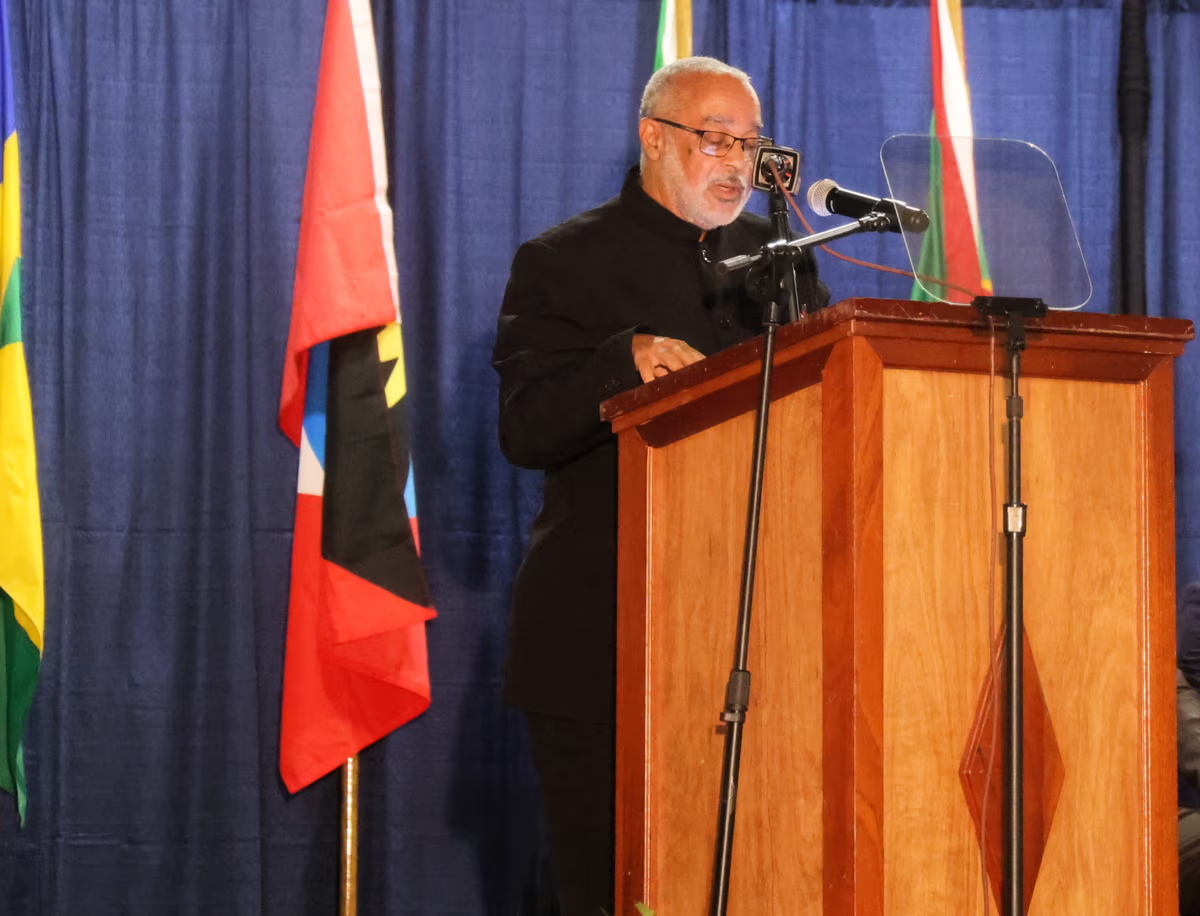
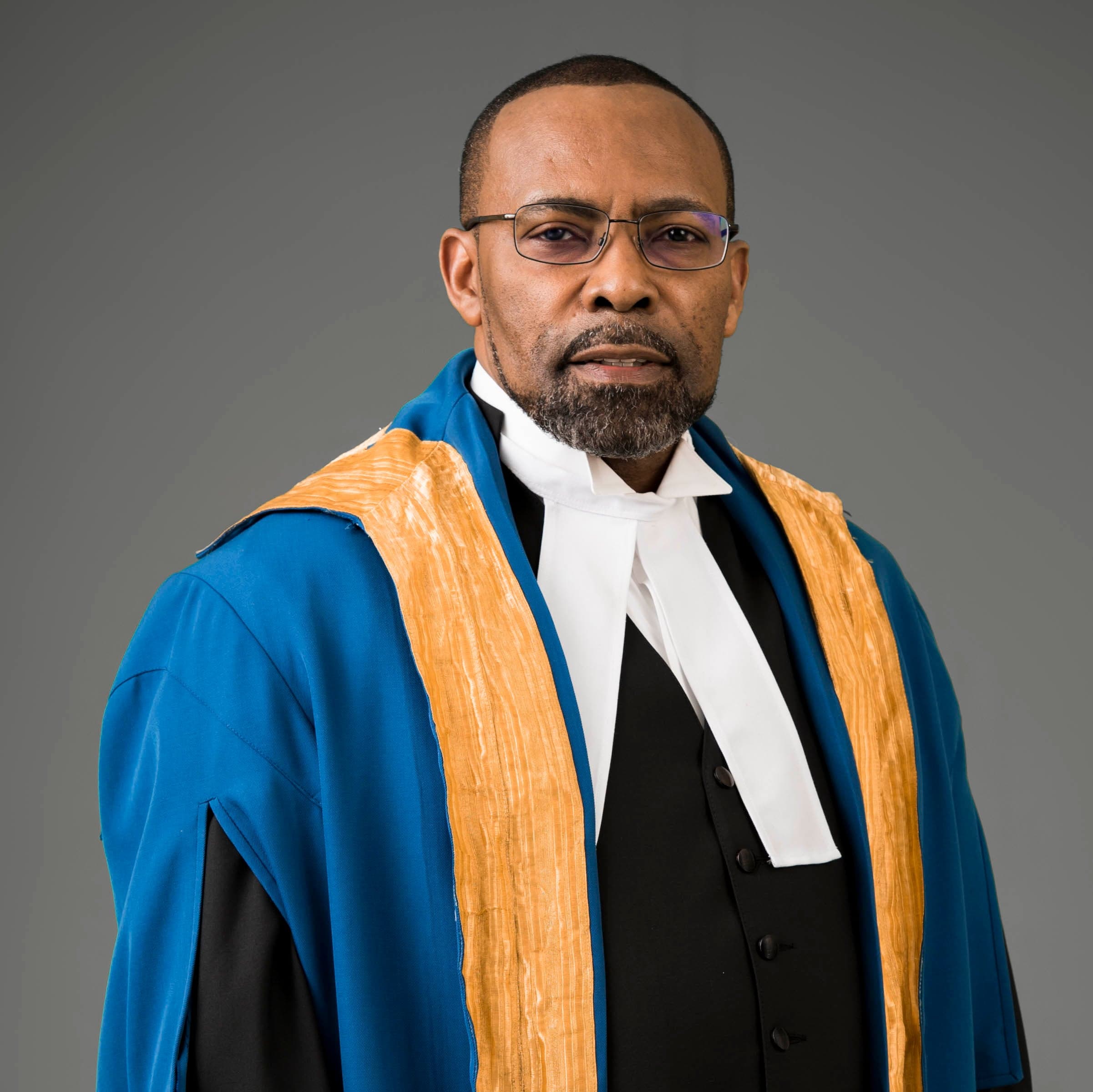
The President of the Caribbean Court of Justice (CCJ), Justice Winston Anderson, is calling on the remaining Caribbean Community (CARICOM) countries that have not yet signed on to the Court’s Appellate Jurisdiction to do so, saying that the institution has built a “well-deserved and proud record” over its 20 years of existence.
Speaking at a special sitting to mark his inauguration as the CCJ’s fourth president, the Jamaican-born jurist said the Court has become a cornerstone of the region’s legal and integration architecture, delivering more than 340 decisions since its establishment in 2005. He said the CCJ has played a key role in entrenching the CARICOM Single Market and Economy (CSME) in the rule of law, ensuring that citizens’ rights are upheld across member states.
“A sense of belonging to a community governed by law has begun to take shape in our region,” Anderson said.
While all 12 CARICOM member states participate in the Court’s Original Jurisdiction — which interprets the Revised Treaty of Chaguaramas — only Barbados, Belize, Dominica, St. Lucia, and Guyana have adopted the Appellate Jurisdiction, which replaces the London-based Privy Council as the final court of appeal.
Justice Anderson noted that since joining the CCJ, member states have seen dramatic increases in access to final appellate justice. He pointed out that Barbados, for example, recorded 105 appeals to the CCJ in the 20 years since accession, compared to just 19 appeals to the Privy Council in the previous two decades — a rise of more than 450%. Similar growth has been seen in Belize, Dominica, and St. Lucia.
“The existence of the CCJ has significantly increased the access by Caribbean citizens to final appellate justice,” he said, adding that if all CARICOM countries had joined the appellate tier, the Court’s total decisions could have exceeded 1,200 instead of 307. “The opportunity cost of non-accession can therefore be measured in reduced access to justice, which is also a denial of justice.”
The CCJ President also announced plans for a new seven-year strategic plan (2025–2032), which will focus on judicial excellence, efficiency, and accessibility. The plan, he said, underscores the Court’s commitment to clarity and consensus in its judgments while leveraging technology — including Artificial Intelligence — to make legal resources more searchable and accessible to practitioners and the public.
Justice Anderson cautioned, however, that AI must be used responsibly, referencing incidents in Trinidad and Tobago and The Bahamas where “hallucinated” AI-generated cases were cited in court filings. “We considered it prudent to issue a Practice Direction on the proper use of generative AI in court proceedings,” he said.
Anderson, who was sworn in as president in July, said the CCJ’s legacy of diversity — drawing judges from across the Caribbean and beyond — has strengthened its jurisprudence and bolstered confidence in the regional judicial system.
“Our vision remains one of judicial excellence, guided by integrity, inclusion, and the unrelenting pursuit of justice,” he affirmed.