Trinidad’s Health Minister Terrence Deyalsingh says he is still not satisfied with the country’s response to combatting Dengue in their homes.
There are 813 confirmed cases of Dengue as August 14, an additional 101 confirmed cases since the ministry’s last report last week.
Deyalsingh said that the number of Dengue related death remained at eight.

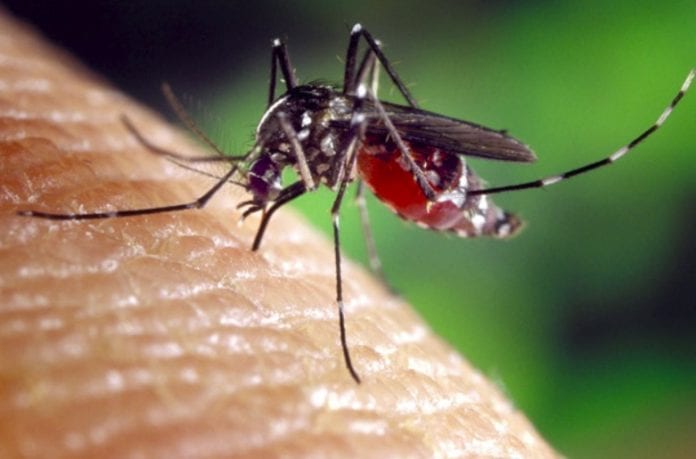
The mosquitoes that spread dengue are active during the day. Lower the risk of getting dengue by protecting yourself from mosquito bites by using: clothes that cover as much of your body as possible; mosquito nets if sleeping during the day, ideally nets sprayed with insect repellent; window screens; mosquito repellents (containing DEET, Picaridin or IR3535); and coils and vaporizers.
Mosquito breeding can be prevented by: preventing mosquitoes from accessing egg-laying habitats by environmental management and modification; disposing of solid waste properly and removing artificial man-made habitats that can hold water; covering, emptying and cleaning domestic water storage containers on a weekly basis; applying appropriate insecticides to outdoor water storage containers.
To date, he said that a total of 441 notices issued by Public Health Inspectors to residents countrywide to clean their premises and get rid of breeding sites.
Additionally, 160,726 homes were visited by the Insect Vector Control Division.
He also emphasized that spraying exercises are done in geographic localities around the homes of persons confirmed to have Dengue in its attempt to “break the chain of transmission”.
He added “If you overspray, two things result. One, the mosquitoes build up resistance and then when we spray in the future it will have no effect on the mosquitoes. And two, if you keep over spraying, it’s dangerous to human health, animal health, wildlife, fish, parrots, bees, everything like that.”

He said while spraying proved to be effective with killing flying adult mosquitoes, it does not kill their eggs which survive in clear stagnant water.
He also called on homeowners to clean their guttering, cover water barrels with meshes, empty saucers that contain water and cover holes in block halls which may provide breeding sites and housings for mosquitoes.