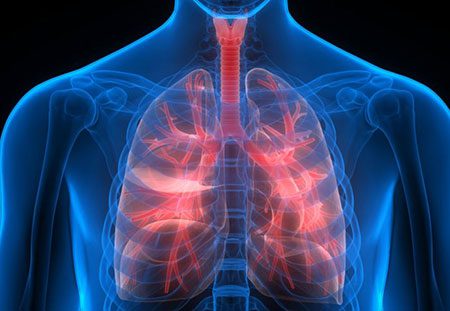
Jamaican medical experts are encouraging Jamaicans to take preventive measures to reduce the spread of viral infections amid an increase in reported cases of respiratory illnesses.

In a recent interview with general medical practitioner and founder of Nissi Family Care, Dr. Cecile Greaves, she said common cases seen at health facilities at this time include symptoms of viral illnesses with superimposed bacterial infections of the respiratory system.
She noted that the increase in respiratory illnesses results from the impact of viral illnesses, which tend to occur at this time of year due to the wet season.

Dr. Greaves said patients have presented myriad symptoms related to respiratory illnesses. She noted that while COVID-19 is still present, it is currently not considered a major concern as symptoms reported are now linked to other viruses.
“Symptoms of the viral infections include malaise, generalized body pains (myalgia and arthralgia), headaches, fever, decreased appetite, runny nose, nasal stuffiness, and cough to list a few,” she said.
Dr. Greaves further explained that these symptoms are expected to last for a few days but can linger for some patients.
“It is expected to resolve between three days to one week. I have observed, however, that the duration of resolution of symptoms has been longer for some individuals,” she said.
She further shared that treatment can be done at home with the use of medications that can be accessed over the counter at pharmacies such as antipyretics, and antihistamines along with Vitamin C, zinc, and selenium. She noted, however, that in some cases antibiotics may be prescribed.
In light of the increase in cases, Dr. Greaves is advising Jamaicans to take measures such as eating properly, hydrating, and supplementing themselves to bolster their immune systems.

Likewise, Dr. Terry Baker, a consultant internist, pulmonologist, and senior medical officer at the National Chest Hospital urges Jamaicans to protect themselves from contracting any viral infection. While significant cases are not recorded at her facility, she noted that different viruses are commonly reported across the island at this time.
“We do still have the COVID-19 disease, there is the RSV virus (Respiratory Syncytial Virus) and we do strongly suspect that there is the flu virus (influenza) going around. Only recently there was a report coming out of the US where they’re seeing an increase in influenza and RSV viruses,” she told Caribbean National Weekly.
RSV is a common respiratory virus that usually causes mild flu-like symptoms; however, it can cause serious illnesses, particularly in young children and the elderly.
Dr. Baker pointed to recent reports of a spike in respiratory illnesses in children at the Bustamante Children’s Hospital, which she said were due to the RSV virus. However, she said that while children are significantly affected, adults with underlying conditions are also prone to contracting it.
She advised that people who are sick should seek medical attention if their symptoms are persistent, as well as those who have underlying conditions such as asthma, and heart disease amongst other illnesses.
She further said that the symptoms of these viral infections may overlap, which sometimes makes it difficult for medical experts to determine which virus is affecting a patient.
“Sometimes it is difficult to determine which virus may be causing the symptoms, but oftentimes we would know which viruses are the predominant viruses out of the year,” she said, referring to COVID-19 which was the predominant virus and number one cause of respiratory illnesses last year.
She added: “When COVID-19 was raging, and the measures were in place, while it is it that not all the time we were able to say this was definitely COVID-19 or not, there were a number of viruses that we weren’t seeing as prevalent then as we are seeing now.”
Dr. Baker further noted that fewer cases of the flu were seen last year due to COVID-19 measures such as social distancing and proper hygiene.
Though the COVID-19 restrictions have been lifted, Dr. Baker urges everyone to be cautious and take the appropriate steps to reduce the possibility of contracting viral infections and transmitting them to those who are more vulnerable and susceptible to its adverse effects.
“I think we all have a responsibility to ourselves. I think we all have a responsibility to the younger ones who can’t fend for themselves as well as the elderly. I’m not necessarily saying that we need to go back to the stringent measures, but people need to take responsibility and continue to use safe practices,” she encouraged.