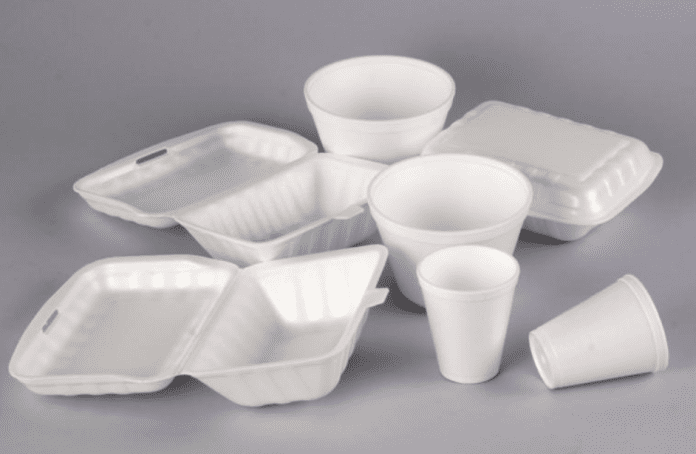
Jamaicans are being reminded that the ban on the distribution and use of single-use plastic food containers took effect on January 9. As a result, items made from polyethylene, polypropylene, or polylactic acid are now prohibited.
The restriction prohibits the importation, distribution, manufacturing, and sale of food boxes made wholly or partially from these materials. Minister without Portfolio in the Ministry of Economic Growth and Job Creation, Matthew Samuda, expressed confidence that the six-month period leading up to the ban allowed for adequate consultation and sensitization with private-sector stakeholders and relevant regulatory authorities, ensuring a smooth transition.
“While the Government remains steadfast and committed to managing the island’s waste, we commend those private sector stakeholders who have wholeheartedly embraced the Government’s policy position in respect of the management of this non-biodegradable product and has made available to the public the environmentally friendly alternatives.”

Minister Matthew Samuda emphasized that the Jamaican government’s policy on single-use plastics is being actively pursued to protect public health and the environment. He urged the public to opt for environmentally friendly alternatives to single-use plastic packaging, stressing the importance of this shift to safeguard health, lives, and livelihoods.
Since 2019, the Jamaican government has implemented a series of bans on single-use plastics, including plastic bags, plastic drinking straws, Styrofoam packaging used in the food and beverage industry, and plastic straws attached to juice boxes and drink pouches. These measures are part of the ongoing effort to reduce plastic waste and its environmental impact.
The next phase in Jamaica’s efforts to tackle plastic pollution involves a ban on the importation, manufacture, sale, and use of cosmetic and personal care products containing plastic microbeads or microplastics. This ban will take effect on July 1, 2025.
Violators of this new order could face fines of up to $50,000 and/or imprisonment for up to two years, as outlined in Section 32 (5) of the Natural Resources Conservation Authority (NRCA) Act. It is important to note that Parliament is currently debating a significant increase in penalties under the NRCA Act, which, if approved, will apply to these offenses.
Additionally, breaches related to the importation of single-use plastics will be prosecuted under The Trade (Plastic Packaging Materials Prohibition) Order, with the possibility of a maximum fine of $2 million and/or imprisonment.