



Jamaica with a murder rate of more than 1,000 annually, is looking to the churches to get more Jamaicans to use restorative justice (RJ) to resolve conflicts and maintain peace within their communities.
Justice Minister, Delroy Chuck, said despite the proven effectiveness of the alternative dispute resolution strategy, not enough cases are being referred to Restorative Justice Centers that are located islandwide.
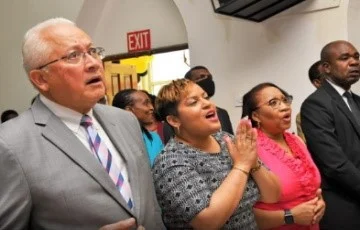
“We have hundreds of facilitators; we have millions of dollars in the Ministry of Justice waiting to pay these facilitators, but not enough cases are being referred to them. That is why the Ministry of Justice is going into the churches, into the schools, and into the communities to tell people about restorative justice,” Chuck said at the national service of thanksgiving at the start of Restorative Justice Week being observed under the theme “Stories of Restoration… Everyone Has a Say, the RJ Way’.

Chuck said the ministry aims to train church members across Jamaica in the practice of restorative justice, as a pre-emptive move to prevent disputes among families from escalating.
“In every church, we want to put on a program where, on a regular basis, we try to sensitize approximately 25 persons over a two-day period in restorative justice practices. We want to do this in all the churches so that the congregants, not that they necessarily want it but they may know of persons who need it and, therefore, can refer those persons to the RJ centers or to a facilitator.”
Chuck said restorative justice can be the “healing” tool to save Jamaica from the escalating crime rate, as well as wrongdoings of all kinds, and as such, is urging more Jamaicans to embrace the program.

“We want more of these conflicts to be resolved and we know they can be resolved with restorative justice. We feel that if we can take restorative justice to every nook and cranny, to every corner and crevice of Jamaica and really urge people to use it to resolve their disputes, Jamaica could heal,” he added.
Restorative justice is a process whereby all the parties with a stake in an offence come together to collectively resolve the conflict and to reintegrate the offender into the community.
In the meantime, the Ministry of Justice is seeking to move towards a paperless court system this year.

CMC/












 to)