When King Mohamed VI of Morocco embarked on a visit to Havana in 2017, he found himself immersed in the vibrant tapestry of Cuban art and culture, courtesy of Cuban-American gallery owner Alberto Magnan.

This encounter laid the groundwork for a remarkable cultural exchange that has now materialized in the form of an unprecedented exhibition at Morocco’s Mohammed VI Museum of Modern and Contemporary Art.
Breaking Boundaries: From Havana to Rabat
Seven years post-Morocco’s royal visit to Cuba, the Mohammed VI Museum unveils a groundbreaking showcase, offering a departure from the predominantly European art canon that often dominates the nation’s cultural discourse.

Abdelaziz El Idrissi, the museum’s director, underscores the significance of expanding artistic horizons beyond the familiar realms of Giacometti and Picasso, signaling a thirst for fresh perspectives and untapped narratives.
Unveiling Afro-Cuban excellence
At the heart of the exhibition lies a captivating collection of 44 pieces by Wifredo Lam, an Afro-Cuban luminary whose oeuvre delves deep into the intersection of identity, heritage, and socio-political consciousness.
Magnan, the visionary behind the showcase, proudly notes that they are “beating MoMA to the punch” with this comprehensive retrospective, offering a glimpse into Lam’s transcendent genius before his awaited homage in New York City.
A glimpse into forbidden narratives
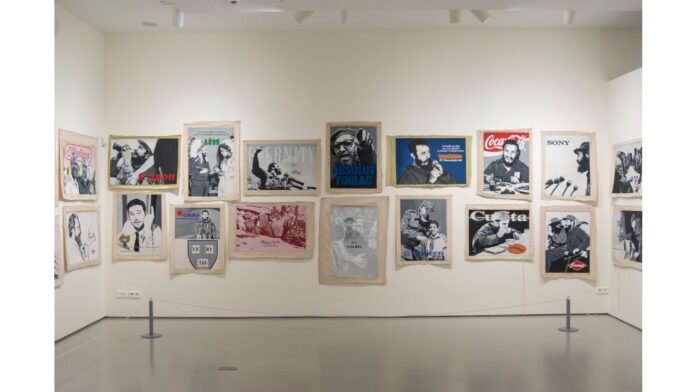
The exhibition not only celebrates Lam’s brilliance but also unveils the clandestine artistry of Jose Angel Toirac to the world stage for the first time.
Toirac’s provocative portrayal of Fidel Castro within the realm of American consumer culture challenges conventional narratives, marking a watershed moment in the dissemination of Cuban artistic expression beyond its shores.
Themes of resilience and identity
“Cuban Art: On the other side of the Atlantic” transcends geographical boundaries to explore the multifaceted layers of Cuban identity, navigating themes of isolation, economic embargo, and the rich tapestry of cultural heritage.

With nearly half of Cuba’s population identifying as mixed-race and a significant Afro-Cuban demographic, the exhibition serves as a poignant reflection of the island’s rich diversity and cultural heritage.
The diplomatic dance: Morocco’s artistic renaissance
In the wake of shifting geopolitical landscapes, both Morocco and Cuba find themselves at the nexus of political transition and artistic resurgence.
As Morocco amplifies its investment in arts and culture to bolster its soft power, Cuban art emerges as a potent catalyst for fostering cultural dialogue and forging new diplomatic pathways.
Beyond borders: Art as diplomacy
While the exhibition refrains from delving into the intricacies of Moroccan-Cuban diplomatic relations, it serves as a testament to the shared artistic journey of nations navigating political upheaval.
As Morocco and Cuba navigate the complexities of their respective histories, their artistic synergy serves as a testament to the transcendent power of art in fostering mutual understanding and dialogue across borders.