Several civil society organizations from across the Caribbean, numbering over 50, have collectively called upon the Biden administration to amplify its commitment in aiding their nations to counteract the mounting challenges posed by climate change.

The organizations have signed a letter addressed to President Joe Biden and Treasury Secretary Janet Yellen seeking relief.
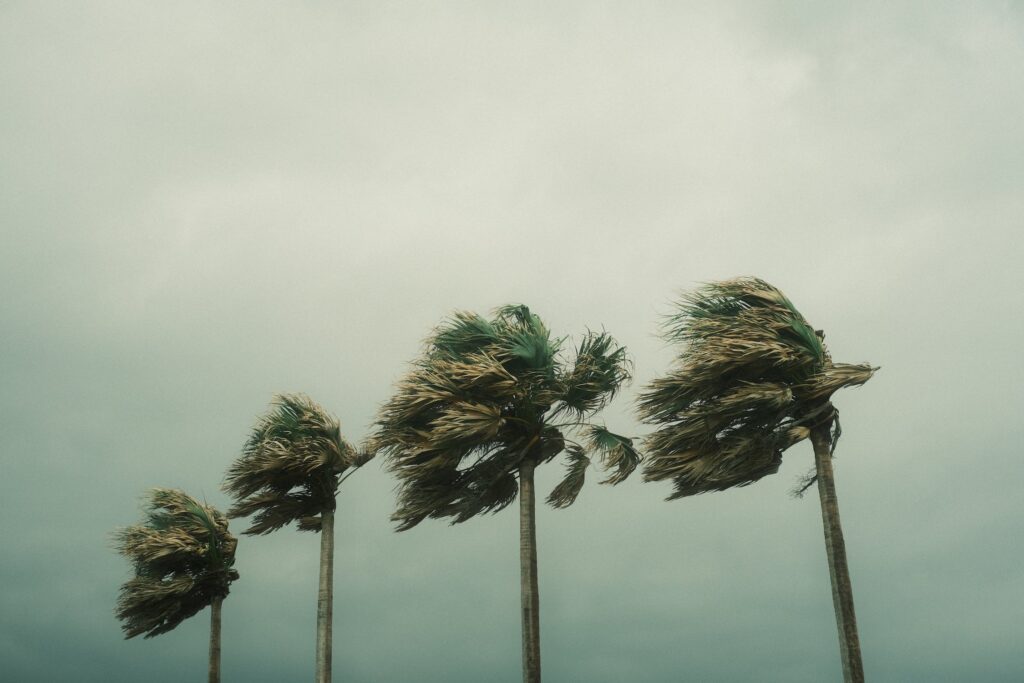
The letter notes that despite the Caribbean nations minimal contribution to climate crisis, they disproportionately experience the escalating aftermaths such as hurricanes and tropical storms.

More on disasters affecting the Caribbean
- Hurricane Lee threatens as potential Category 5 storm
- The impact of Tropical Storm Franklin on Caribbean nations
- Odds increase for new tropical system as Hurricane season intensifies
Financial toll of climate extremities
The letter outlined that between 2000 and 2014, these catastrophic events resulted in an estimated loss of $30 billion in GDP for Caribbean countries.
It added that combining the dual threats of a rising national debt and an accelerating climate crisis could spell disaster for the region.
The Center for Economic and Policy Research, a prominent think tank based in Washington, has lent its voice in support of these Caribbean entities.
Their shared consensus underlines the urgent need for institutions like the International Monetary Fund (IMF) to provide pivotal financial assistance, emphasizing the goal of accessing a reserve asset of $650 billion to bolster the reserves of these nations.
The letter outlines numerous policy shifts the administration can pursue including with the IMF, which provides development assistance to nations.
The letter argues that Caribbean countries should be able to access more financial assistance from the IMF.

U.S. initiatives and Caribbean concerns
In June 2022, in an effort to address this pressing issue, the Biden administration unveiled the U.S. Caribbean Partnership to Address the Climate Crisis 2030 (PACC 2030).
Moreover, recent dialogues between Caribbean leaders and Vice President Kamala Harris have revolved around fortifying climate-related actions.
However, Dan Beeton, a spokesperson for the Center for Economic and Policy Research, highlighted the inadequacies faced by Caribbean nations in comparison to giants like the U.S. and Europe.
“The concerns are there’s still enormous shocks going on in the global economy and to a large degree, unprecedented. You have this pandemic, you’ve got the climate crisis which is very costly and there’s a lot of needs for these Caribbean countries,” Beeton said.
“There are a lot of needs and these are countries that aren’t able to engage in the kinds of stimulus that the U.S. and Europe did with COVID, so they need other avenues to respond to all of these crises.”
Voices from the Caribbean Community summit
During a significant convening of the Caribbean leaders in Trinidad and Tobago in July, members of the 15-nation coalition, the Caribbean Community, shed light on the repercussions of climate change on their tourism-centric economies.
Notable attendees at this gathering included Rwanda’s President Paul Kagame and United Nations Secretary-General António Guterres.
Guterres’ stance on equitable Climate action
Guterres has consistently advocated for a revamped framework focusing on donor nations’ accountability concerning financial aid and setting tangible targets for carbon emission reduction.
Speaking at the Africa Climate Summit, he emphasized the urgent requirement to recalibrate the “outdated, unfair, and dysfunctional global financial system”.
Guterres stressed that the international financial landscape must be remodeled to ensure that Caribbean and African nations are not penalized with exorbitant borrowing rates compared to the U.S. and Europe.
Guterres envisions a future where multilateral development banks undergo a transformative overhaul, enabling them to harness private finance effectively, granting developing nations the means to sculpt sustainable economic models.