Of the 250 pregnant U.S. women who had confirmed Zika infection in 2016, 24 had a fetus or baby with Zika-related birth defects, according to a new Vital Signs report from the Centers for Disease Control and Prevention (CDC).
This report is the first to provide the analysis of a subgroup of pregnant women in the U.S. with clear, confirmed test results of Zika virus infection.

Testing for Zika remains complex because there is a narrow timeframe for obtaining a positive laboratory result, and many infected people do not have symptoms that might motivate testing. For this reason, the CDC monitors all pregnant women with any evidence of recent Zika infection.
In 2016, nearly 1,000 pregnant women from 44 states who completed their pregnancies had some evidence of a recent Zika infection and were at risk of having a fetus or baby with Zika-related birth defects. Most of these women acquired Zika infection during travel to an area where Zika was known to be present.
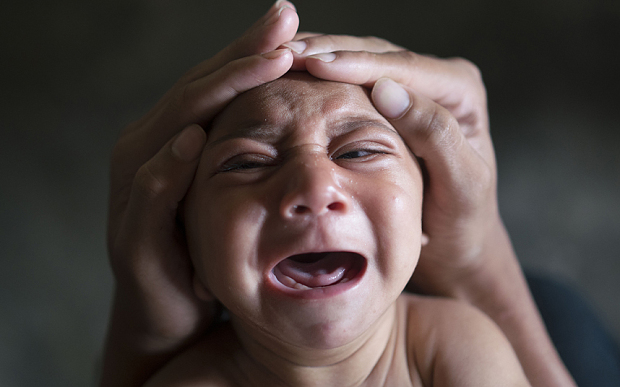
Zika infection during pregnancy can cause serious damage to the brain and microcephaly in developing fetuses. It also can lead to congenital Zika syndrome in babies, a pattern of birth defects that includes brain abnormalities, vision problems, hearing loss, and problems moving limbs. Babies may also appear healthy at birth but have underlying brain defects or other Zika-related health problems.
“Zika virus can be scary and potentially devastating to families. Zika continues to be a threat to pregnant women across the U.S.,” said CDC Acting Director Anne Schuchat, M.D. “With warm weather and a new mosquito season approaching, prevention is crucial to protect the health of mothers and babies. Healthcare providers can play a key role in prevention efforts.”
The findings from this report confirm the serious threat posed by Zika virus infection during pregnancy and the critical need for pregnant women to continue taking steps to prevent Zika virus exposure through mosquito bites and sexual transmission. The report also emphasizes the importance of healthcare providers screening all pregnant women for possible Zika virus exposure and testing and evaluating all infants born to women with evidence of Zika infection.