Road safety is a fundamental responsibility for every driver. Practicing safe driving habits not only protects you and your passengers but also other road users. By focusing on precautionary measures and staying alert, drivers can greatly reduce their risk of being involved in an accident. If you ever need guidance following a collision, speaking to a car accident lawyer can provide valuable direction and help protect your rights.
Each year, countless accidents occur due to preventable mistakes behind the wheel. Building consistent, safe routines can make a significant impact. Prioritize your safety and others’ by learning and applying the best driving practices outlined below.
Whether you are a new driver or have years of experience, there is always room to improve your habits and knowledge. Every small choice you make, such as buckling up or ignoring your phone, adds up to a safer journey for everyone sharing the road.

Responsible driving is not just self-protective but is also a civic duty. When every driver commits to safer behavior, communities experience fewer injuries and less emotional and financial stress caused by accidents.
Wear Your Seat Belt
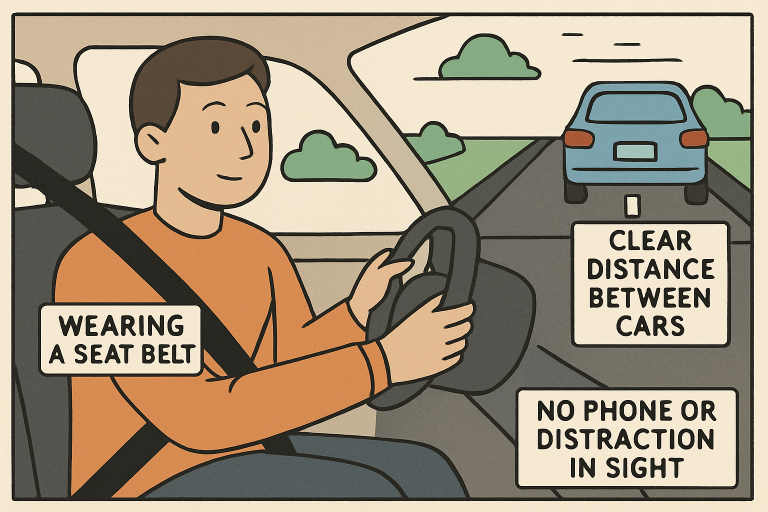
One of the simplest yet most effective ways to safeguard yourself in a vehicle is to always wear a seat belt. Seat belts substantially reduce the risk of severe injury or death in a collision. All passengers, regardless of age or seating position, should fasten their seat belts. Parents should ensure that children are placed in appropriate car seats or booster seats and that these are installed correctly. Unbuckled passengers can cause additional harm to others in the vehicle during a crash.
Maintain a Safe Following Distance
Tailgating leaves little room for error and can lead to rear-end collisions. The widely recommended three-second rule helps drivers determine a safe gap between their vehicle and the one in front. It is important to extend this distance under poor weather, heavy traffic, or at higher speeds. Maintaining proper spacing ensures ample time to react and brake safely, which can prevent chain-reaction accidents on busy roads.
Avoid Distractions
Distraction is a leading cause of traffic accidents. Drivers who text, make calls, eat, search for items, or even adjust music controls risk losing focus on the road. To minimize distractions, set up navigation or music before moving, and store your phone out of reach while driving. Encourage passengers to assist with adjustments or keep conversations at a reasonable level so the driver remains attentive. Remember, even a few seconds of inattention can have life-changing consequences.
Adhere to Speed Limits
Speeding not only violates the law but also dramatically increases the risk of accidents. Higher speeds shorten your reaction time and lengthen the distance required to stop. Speed limits are set based on road design, traffic flow, and potential hazards, so obeying them helps you travel safely. It is also crucial to slow down in school zones or residential neighborhoods and adjust your speed to match weather or road surface conditions.

Never Drive Under the Influence
Driving while impaired by alcohol, illicit drugs, or prescription medication can drastically reduce your motor skills, judgment, and reaction times. Impairment-related crashes often result in serious injuries or fatalities. If you are under the influence, use rideshare services, public transit, or arrange for a sober driver instead. Community efforts to reduce impaired driving, such as designated driver programs, help keep roads safer for everyone.
Stay Alert and Avoid Fatigue
Driver fatigue is a hidden danger that impairs response time and increases the likelihood of drifting out of lanes or missing important traffic signals. Always get adequate rest before taking the wheel. For longer trips, plan to stop and take breaks at least every two hours. Avoid driving late at night whenever possible and recognize the warning signs of drowsiness, such as frequent yawning or wandering thoughts. If you start feeling sleepy, stop in a safe place to rest.
Regular Vehicle Maintenance
Routine maintenance improves your vehicle’s reliability and performance. Regularly check your brakes, tires, headlights, wipers, and fluid levels to prevent mechanical failures. Scheduled tune-ups can identify problems early, before they result in costly repairs or breakdowns on the road. Keeping your vehicle in optimum condition also improves fuel efficiency and extends its lifespan.
Practice Defensive Driving
Defensive driving is about expecting the unexpected and being prepared to respond to potential threats. This includes frequently monitoring mirrors, maintaining an escape route, and being aware of blind spots. Watch for erratic behavior from other drivers, such as sudden lane changes or speeding, and adjust your own actions accordingly. Defensive driving courses are available for those who wish to further improve their skills and may offer insurance benefits for completion.
Final Thoughts
Adopting these safe driving strategies creates a more secure environment for everyone on the road. By making informed choices and remaining vigilant, you protect yourself, your loved ones, and others from the tragic consequences of preventable accidents. Every trip offers an opportunity to drive responsibly and improve your community’s safety.
Key Takeaways
- Always wear your seat belt to minimize the risk of injury.
- Maintain a safe following distance to allow ample reaction time.
- Avoid distractions such as texting or eating while driving.
- Adhere to speed limits and adjust your speed to road conditions.
- Never drive under the influence of alcohol or drugs.
- Stay alert and avoid driving when fatigued.
- Regularly maintain your vehicle to ensure optimal performance.
- Practice defensive driving techniques to anticipate potential hazards.