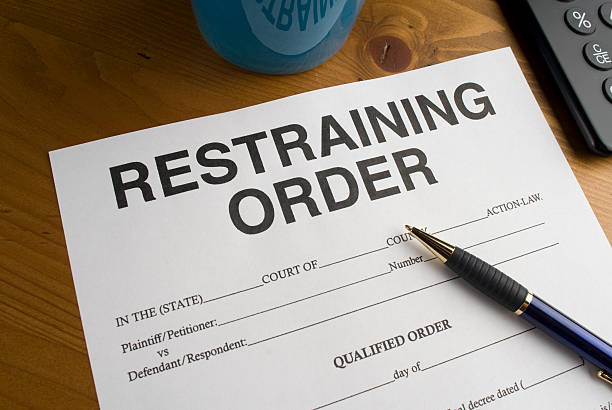
Restraining orders play an important role in protecting individuals from harassment, threats, or violence. In the United States, courts carefully review the details of each case before deciding whether to grant such an order. Judges must determine if the threat is credible and if the person requesting protection faces a real risk.
Understanding how courts evaluate threats can help individuals better prepare when seeking legal protection. Learning about the different types of restraining orders available can also provide clarity about which legal option may apply to a specific situation. The process involves examining evidence, behavior patterns, and the seriousness of the alleged threat.
Understanding What Qualifies as a Threat
Courts in the United States generally define a threat as a statement or action that creates a reasonable fear of harm. The threat does not always have to involve physical violence. Harassment, stalking, or repeated intimidation may also qualify.

Judges often look at whether a reasonable person in the same situation would feel afraid. If the threat causes genuine concern for safety, the court may consider issuing a restraining order.
The Importance of Evidence
Evidence plays a critical role when courts evaluate restraining order requests. Judges rely on clear documentation to determine whether the threat is credible. Without evidence, it can be difficult to prove that a threat actually occurred.
Common forms of evidence include text messages, emails, voicemails, social media posts, and written letters. Police reports, medical records, and photographs of injuries may also support a request for protection.

Evaluating the Credibility of the Claim
Courts assess the credibility of both the petitioner and the accused individual. Judges listen carefully to testimony during hearings and may ask questions to clarify details. Consistency in the story can influence how credible the claim appears.
If the person requesting the order provides detailed and believable accounts supported by evidence, the court is more likely to consider the threat serious. Contradictory statements or lack of clarity may weaken the case.
Reviewing Past Behavior and History
A judge may review the history between the two individuals involved in the case. Past incidents of harassment, domestic violence, or threats can strongly influence the court’s decision. A pattern of harmful behavior often indicates a higher risk of future harm.

Previous police reports or earlier restraining orders may also be considered. Courts often view repeated incidents as evidence that the threat is ongoing rather than isolated.
Determining Immediate Danger
Another important factor is whether the person requesting protection faces immediate danger. Courts often issue temporary restraining orders quickly if there is evidence of urgent risk. These temporary orders remain in effect until a full hearing takes place.
At the hearing, the judge reviews all available evidence and testimony before deciding whether to extend the order. Immediate threats or escalating behavior may increase the chances of long-term protection.
Considering the Intent Behind the Threat
Courts also evaluate whether the accused person intended to cause fear or harm. Some statements may appear threatening but are made in moments of anger without real intent. Judges must determine whether the threat was serious or simply emotional language.
If the statement includes specific plans or references to violence, courts are more likely to treat it as a legitimate threat. Detailed or repeated threats are usually viewed as more concerning.
Assessing the Impact on the Victim
Judges consider how the alleged threat affected the person requesting the restraining order. If the victim changed routines, sought medical help, or contacted law enforcement due to fear, it can support the claim of danger.
Emotional distress, fear for personal safety, and disruption of daily life are factors courts may take seriously. Demonstrating the real impact of the threat can strengthen the request for protection.
The Role of Legal Standards
Each state in the United States has its own laws governing restraining orders, but most follow similar legal standards. Courts typically require proof that harassment, stalking, abuse, or credible threats occurred.
The judge must balance protecting the petitioner while ensuring the accused person’s legal rights are respected. This careful evaluation helps ensure restraining orders are granted only when justified.
Final Takeaway
- Courts determine whether a threat creates a reasonable fear of harm for the person requesting protection.
- Strong evidence, such as messages, recordings, or police reports, significantly strengthens a restraining order case.
- Judges evaluate the credibility of both parties and look for consistent, detailed testimony.
- Past incidents or patterns of behavior can influence the court’s decision about future risk.
- The presence of immediate danger or escalating threats often leads to temporary protection orders.
- Courts consider the intent behind the threat and whether it appears serious or specific.
- Demonstrating the real impact on the victim’s safety and daily life can help justify a restraining order.