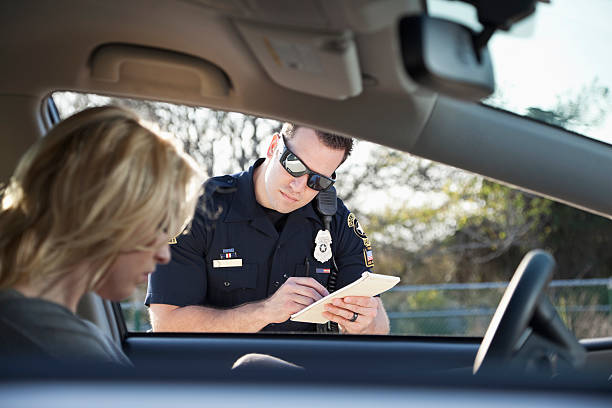
Driving is a daily essential for many people across the United States, whether it’s for work, school, or running errands. Because of this, people often underestimate the consequences of driving without a valid driver’s license, viewing it as a minor issue. However, driving without proper authorization is an offense taken seriously by both law enforcement and the courts nationwide.
Laws for unlicensed driving exist to protect everyone on the road. A valid driver’s license is proof that a person has met the legal requirements to operate a vehicle safely. When someone drives without one, they bypass these safeguards, increasing the risk to themselves and others.
As a result, strict penalties may be imposed, which can escalate quickly depending on the circumstances. Penalties for driving without your license on you can vary depending on multiple factors, such as the state, the reason you were unlicensed, and whether it is a first or repeat offense.

What are Some Common Penalties for Driving Without a License?
Driving without a valid license could result in one or more of the following penalties, depending on the circumstances.
1. When a Driver Is Simply Not Carrying Their License:
When a driver is legally eligible to drive but does not have their license in their possession, courts may impose less severe penalties depending on the circumstances.
● Fines
In every state, driving without a license leads to a fine. Depending on the offense and the state, fines can be anywhere above $40. First-time offenders usually face lower fines, while repeat offenses result in higher amounts.
● Community Service or Probation
Judges may impose community service or probation instead of serving prison time. While this may seem lenient, it is a sentence in itself and requires time, compliance, and supervision.
2. When a Driver’s License Is Not Valid (Expired, Suspended, or Revoked):

Driving with an invalid license is considered a more serious offense and often results in stricter legal consequences.

● Jail Time
Driving without a license can be charged as a misdemeanor, leading to the driver serving time. Jail sentences may range from a few days to several months, especially for repeat offenders.
● Vehicle Impoundment
If your license was revoked or suspended, law enforcement has the right to impound your vehicle. Impoundment often comes with additional costs, including towing and daily storage fees.
● Criminal Record Consequences
Convictions for misdemeanors can show up in background checks. This could negatively impact your potential job opportunities, housing applications or immigration status.
● Harsher Penalties
Driving while your license has been suspended or revoked often leads to serious punishments. This includes higher fines and longer jail sentences, depending on state law.
How to Handle a Traffic Stop Without Your License?
If you’re stopped by law enforcement and don’t have your license on you, follow these steps:
- Stay calm, pull over safely, and inform the officer that you forgot your license.
- Keep your hands visible and provide your name, date of birth, and address for verification.
- Offer alternate ID (such as a state ID or passport) if available.
- Expect a citation in most cases. If you are properly licensed, the ticket may be dismissed after showing proof in court.
Final Takeaways
- Driving without a license is more serious than it seems. What may feel like a simple mistake can lead to fines, jail time, and legal and financial consequences.
- Driving on a suspended or revoked license carries harsher punishments than driving without ever being licensed.
- Prevention is simple and effective. Getting a valid driver’s license, keeping it up-to-date, and carrying it with you while driving can help you ensure that you stay safely and legally on the road.