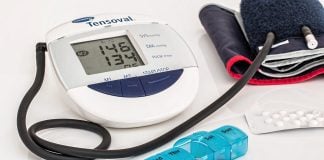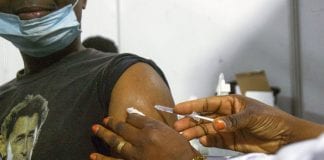
May is Women’s Health Month and it’s never too early or late to make healthy changes so you look and feel your best! You can take control of your health and help others in your family too!

To improve your physical and mental health, you can:
– Visit a doctor or nurse for a well-woman visit (checkup) and preventive screenings.
– Get active.
– Eat healthy.
– Pay attention to mental health, including getting enough sleep and managing stress.
– Avoid unhealthy behaviors, such as smoking, texting while driving, and not wearing a seatbelt or bicycle helmet.
In some communities, it’s hard to get healthy food. “In many parts of our country, food deserts make it harder for women and their families to access healthy food options,” said Elaine Auld, president and CEO of the Society for Public Health Education (SOPHE). “If your local convenience store offers very little fresh fruit and vegetables, and you don’t have easy transportation to a grocery store, it’s much more difficult to purchase healthy food.”

To help address disparities like this, SOPHE partnered in a three-year national project, Partnering4Health. There are projects in 97 communities across the country assisting people and communities to live healthier.
A third of the projects are supported through the National WIC Association (NWA). The American Heart Association, the American Planning Association and the Directors of Health Promotion & Education, are also involved.
USDA provides Federal grants to States for WIC. These programs provide breastfeeding support, supplemental foods, health care referrals, and nutrition education for low-income pregnant and postpartum women, and to infants and children up to age five who are found to be at nutritional risk. Here are a few examples of WIC programs that are working in their communities to help women and families access nutritious food and breast milk