Jamaican officials, music faternity pay tribute to reggae icon Sly Dunbar
Key Points(5)
- “His legacy lives on every time a drum kit is played or a reggae record spins.”</p> <p data-start="1006" data-end="1382">People’s National Party President Mark J.
- Golding described Dunbar as Jamaica’s most influential session drummer, noting his work across genres and with countless local and international artists.
- “Sly and Robbie were the ‘go to’.
- They produced and/or played on tracks for several international acts, including No Doubt, Bob Dylan, the Rolling Stones, the Fugees and Simply Red.
- Sly was a truly gifted and remarkable musician and producer whose passing today is a great loss for the music,” she said.
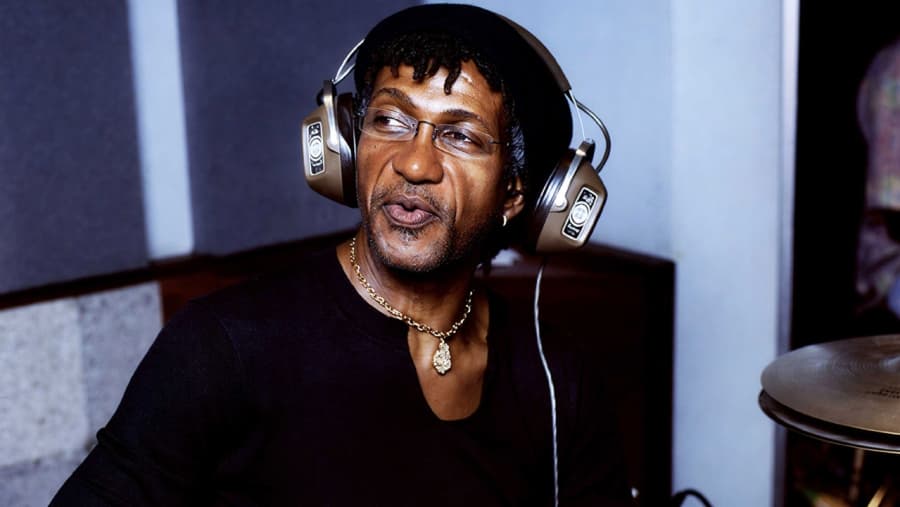
Tributes continue to pour in from across Jamaica and the global music industry following the death of legendary drummer Lowell “Sly” Dunbar of the iconic duo Sly and Robbie. Dunbar died on January 26, prompting an outpouring of grief from political leaders, fellow musicians, and artists whose careers were shaped by his groundbreaking work.
Widely regarded as one of the most influential drummers in Jamaican music history, Dunbar helped redefine reggae and dancehall through his innovative rhythms and production style. Alongside bassist Robbie Shakespeare, he formed Sly and Robbie—often referred to as the “Riddim Twins”—a partnership that became one of the most successful and prolific in modern music.
Prime Minister Andrew Holness also paid tribute, calling Dunbar “a titan of music” and “an architect of sound.” He credited Sly and Robbie with establishing the rhythmic foundation that defined entire eras of reggae and dancehall, while pointing to Dunbar’s global reach through collaborations with artists such as Grace Jones and The Rolling Stones. Holness noted that despite his international acclaim and national honours, including the Order of Distinction, Dunbar remained grounded and committed to mentoring younger musicians.
“When you hear his signature rim shot or that specific drum beat, you know you are listening to a master,” Holness added. “His legacy lives on every time a drum kit is played or a reggae record spins.”
People’s National Party President Mark J. Golding described Dunbar as Jamaica’s most influential session drummer, noting his work across genres and with countless local and international artists. Golding highlighted Sly and Robbie’s role in shaping the sound that propelled acts such as Black Uhuru onto the world stage, as well as their impact as producers on the Taxi label.
The Minister of Culture, Gender, Entertainment and Sport, Olivia Grange, has said that the passing of the Reggae musician and record producer Sly Dunbar is “a great loss for the music." Minister Grange said Sly and Robbie were sought after by international artistes. “Sly and Robbie were the ‘go to’. They produced and/or played on tracks for several international acts, including No Doubt, Bob Dylan, the Rolling Stones, the Fugees and Simply Red. Sly was a truly gifted and remarkable musician and producer whose passing today is a great loss for the music,” she said.Born in Kingston, Sly Dunbar rose to prominence in the 1970s, becoming a sought-after session drummer whose crisp timing and inventive patterns reshaped studio recording in Jamaica. He was a key figure in the success of Black Uhuru, helping the group earn international recognition, including a Grammy Award. Dunbar was also instrumental in pioneering the use of electronic drum pads and digital elements in reggae, a move that modernized the genre and expanded its sonic possibilities.
Beyond reggae and dancehall, Sly and Robbie’s résumé spanned punk, pop, hip-hop, and rock, with credits that include Bob Dylan, Serge Gainsbourg, Herbie Hancock, No Doubt, and Mick Jagger. Their work at Compass Point Studios in the Bahamas further cemented their influence on global popular music in the late 1970s and 1980s.
Members of Jamaica’s music fraternity also shared personal tributes. Reggae star Protoje hailed Dunbar as “the greatest drummer who ever lived,” thanking him for the mentorship and love he consistently showed younger artists. “This rough,” Protoje added. “Rest in Power, Sly Dunbar.” Producer Stephen "Di Genius" McGregor called him “the blueprint,” crediting Dunbar’s innovation with shaping today’s musical landscape.
International superstar Shaggy reflected on his own collaborations with Dunbar, including work on the album Out of Many, One Music, which reunited Sly and Robbie. “Today we lost a giant,” Shaggy said. “Sly was a major part of the fabric of our musical culture.” He described Dunbar as both an innovative musician and a wonderful person. “He will be missed, but at least he left us with some amazing gems,” Shaggy added. “Walk good mi bredda until we meet again.” Additional tributes came from Sean Paul, members of the legendary band Third World—who are themselves mourning the recent loss of co-founder Cat Coore—and numerous other figures from across the reggae, dancehall and international music communities.As tributes continue, Sly Dunbar is being remembered not only for his technical brilliance and innovation, but for a legacy that helped carry Jamaican music from local studios to the world stage—one rhythm at a time.


.jpg&w=3840&q=75)